
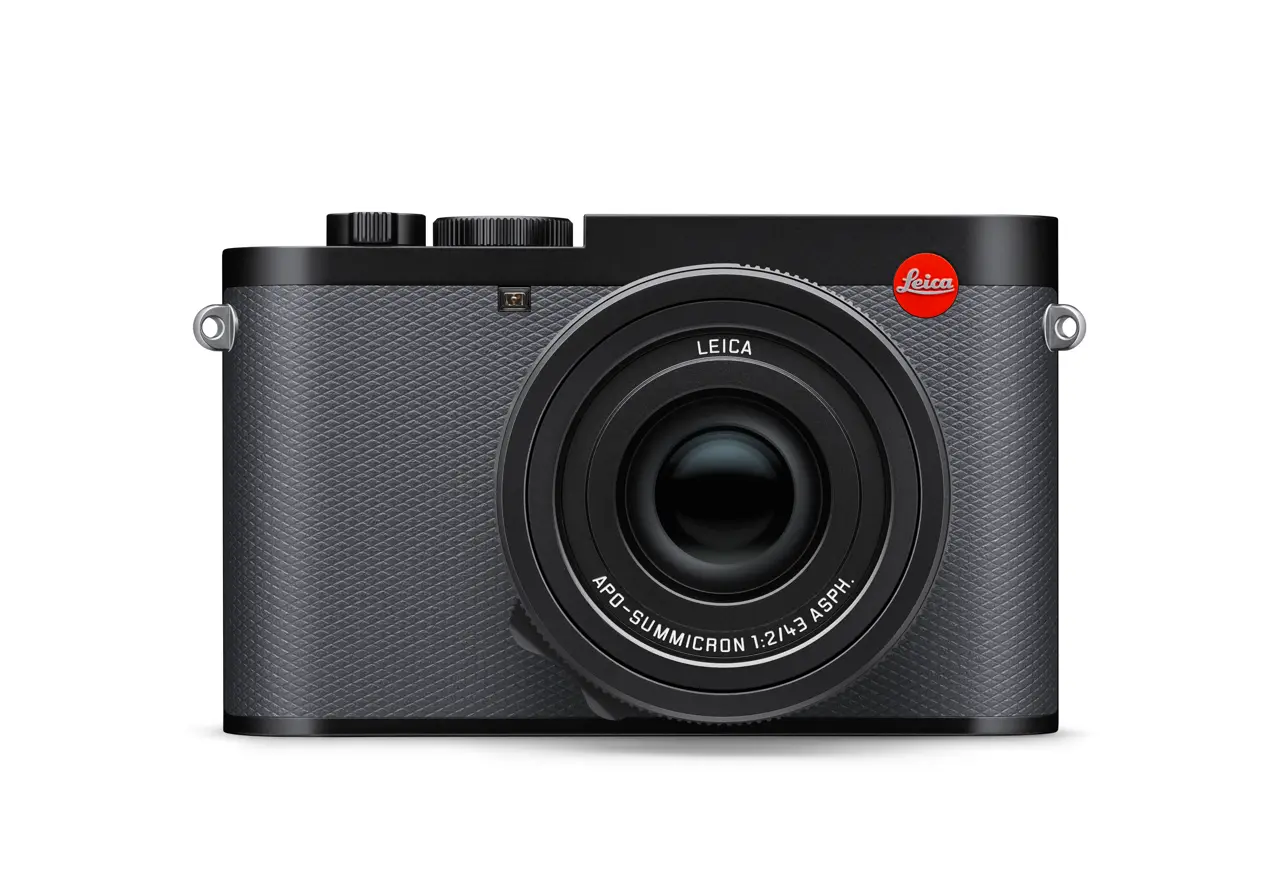
Leica’s Formula 1 licensing deal puts a specialist camera into a new brand context. For rights owners and retailers, the commercial test is whether distinctive product features and a credible sales channel can turn fan interest into profitable demand.
What the partners have announced
Formula 1 announced its licensing partnership with Leica on 21 October 2026, introducing the Leica Q3 43 Formula 1 Edition. Its official announcement lists Leica stores, the Leica online store and specialist retailers as sales channels.
The camera builds on the Q3 43 platform. The edition adds motorsport-inspired materials and detailing, including carbon components and a steering-wheel-inspired covering, plus an exclusive Formula 1 image look available through the Leica FOTOS app.
Launch timing needs regional context. Leica’s US release dated 20 October identifies a Los Angeles unveiling that day, US availability from 20 October and a US$9,950 retail price. Formula 1’s release gives 21 October availability. Distributor Transcontinenta’s 21 October announcement confirms that date for the Netherlands and Ireland, with a recommended €8,500 price including VAT. These are separately stated market prices, not a currency comparison.
The commercial proposition extends into the product
Star Brands analysis: A licensing agreement is easier to explain at the retail counter when the partnership changes something a customer can use or experience. Here, materials, handling details and an exclusive image treatment give dealers several concrete features to demonstrate.
That does not establish how much buyers will pay for the association itself. A retailer should separate three sources of interest: demand for the underlying camera, demand for the edition’s specific features and demand for the Formula 1 identity. Those groups may overlap, but they do not necessarily respond to the same sales message.
For a rights owner evaluating a similar proposal, the useful qualification question is whether the manufacturer can translate the licensed identity into a coherent product. That requires design capability, reliable quality control and a clear approval process. Audience recognition alone does not perform those functions.
Specialist distribution changes the execution test
The announced channel mix makes dealer readiness commercially relevant. A camera retailer needs staff who can explain both the underlying equipment and the edition’s differences, demonstrate the digital feature and support the buyer after purchase. A campaign that attracts attention without preparing the sales channel can leave those enquiries unconverted.
For operators considering comparable collaborations, demand testing should precede deep inventory commitments. Useful evidence includes qualified enquiries, demonstrations that lead to orders, stock ageing and returns. Social engagement can help identify interest, but it should not substitute for evidence of purchase intent.
A global licensing launch also needs local execution plans. Separate availability statements and tax-inclusive regional prices illustrate why distributors should confirm the applicable product allocation, launch window, warranty support and consumer-facing information for their own market.
What investors and brand owners should ask next
The cited announcements do not disclose licence duration, royalty rates, minimum guarantees, sales targets or production volume. They therefore do not support a forecast of partner earnings, a claim of numbered scarcity or an assumption that new dealer rights are available.
For an analogous investment decision, request a contribution model that includes manufacturing, royalties, channel economics, launch spending, after-sales obligations and potential markdowns. Stress-test slower conversion and longer inventory holding periods. A high retail price is a positioning decision; it is not evidence of a high operating margin.
Brand owners should also establish who approves product changes, digital features and campaign assets, and how remaining inventory is handled when an agreement ends. These are diligence questions for comparable deals, not claims about undisclosed Leica–Formula 1 contract terms.
For support assessing licensing strategy, partner capability or distribution readiness, contact Star Brands Consulting Group with the product category, target markets and proposed commercial structure.
Leave a Reply