
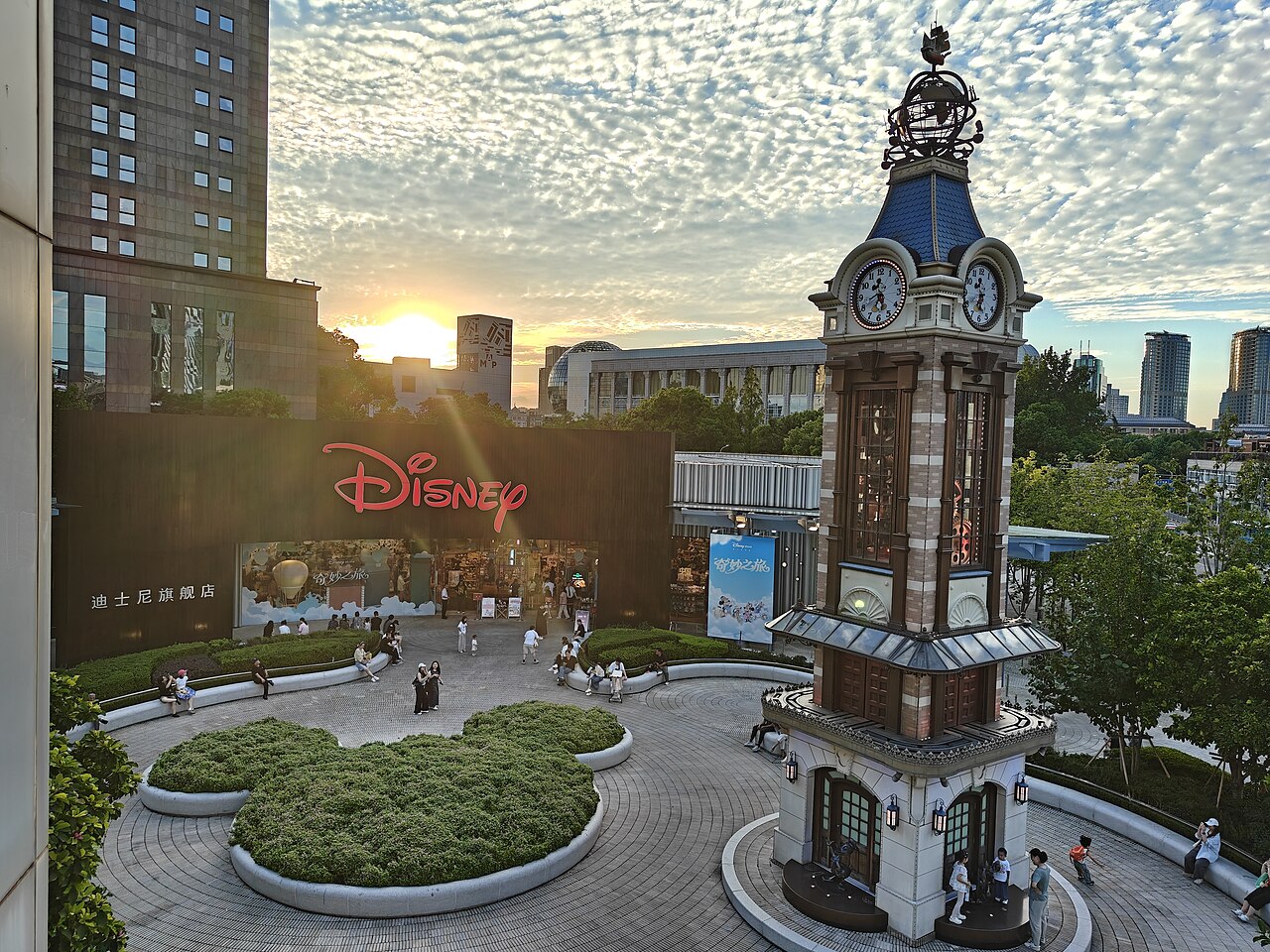

Disney has moved global licensing and publishing closer to its studios while keeping parks merchandise and Disney Store under Experiences. For licensees, retailers and brand owners, the important issue is not the org chart itself but how approvals, release calendars, consumer data and channel responsibilities now connect.
On 4 October 2026, The Walt Disney Company put a new consumer-products structure into effect. The company’s global licensing and publishing businesses now sit within Disney Entertainment – Studios, while parks merchandise, Disney Store locations and DisneyStore.com remain within Disney Experiences.
The change creates a clearer organisational divide between two different commercial models: third-party partners paying for rights to use Disney intellectual property, and Disney’s own retail and destination-led merchandise operations. That distinction matters because the same characters and franchises can move through both systems, but the economics, operating risks and decision rights are not the same.
Licensing moves closer to the content engine
Disney announced the structure on 22 September, describing it as a way to align licensing and publishing more closely with its creative-content groups. Cathleen Taff became President, Disney Entertainment – Studios and Consumer Products, reporting to Disney Entertainment – Studios Chairman Alan Bergman.
Taff’s wider remit already includes franchise management and theatrical distribution across Disney, Walt Disney Animation Studios, Pixar, Marvel Studios, Lucasfilm, 20th Century Studios and Searchlight Pictures. Bringing licensing and publishing into that portfolio can shorten the organisational distance between franchise planning, release strategy and third-party product programmes.
That is an inference from the reporting structure, not a disclosed promise of faster approvals or different commercial terms. Disney did not announce changes to existing licence agreements, territories, royalties, minimum guarantees or partner appointments.
Why the distinction is commercially important
Disney’s 2025 Form 10-K describes a broad licensing operation spanning toys, apparel, games, home décor, accessories, health and beauty, food, stationery, footwear and consumer electronics. Licensees typically pay royalties based on wholesale or retail sales, and agreements often include minimum guarantees.
Owned retail works differently. Disney sells branded products through its stores and online channels, taking direct responsibility for assortment, inventory, pricing, customer experience and retail execution. At the end of fiscal 2025, the company reported approximately 40 stores in Japan, 20 in North America, two in Europe and one in China.
The new structure keeps those stores, DisneyStore.com and global parks merchandise within Disney Experiences. Lisa Baldzicki continues to lead parks merchandise and owned retail while also heading a new Global Experience & Innovation team.
For commercial partners, this means “Disney Consumer Products” should no longer be treated as a single operating counterparty in practical workflow design. A product licence connected to a film release may be managed closer to the studios, while decisions involving Disney’s own stores, parks-exclusive merchandise or destination retail remain within Experiences.
What licensees and retailers should test
Partners should use the reorganisation as a reason to refresh operating maps, not to assume that their contracts have changed.
1. Approval ownership
Confirm which team now owns product concepts, packaging, marketing assets, publishing approvals and exceptions. A new reporting line can create temporary ambiguity even when contractual rights remain unchanged.
2. Franchise and release calendars
Ask how theatrical, streaming, games and publishing calendars will feed into product-development milestones. Closer studio alignment is commercially useful only if licensees receive decisions early enough to protect sourcing, retailer line reviews and launch windows.
3. Channel boundaries
Map where licensed wholesale products, Disney Store assortments, parks merchandise and market-specific retail programmes overlap. The objective is to avoid channel conflict, duplicate ranges or unclear exclusivity around products tied to the same franchise.
4. Forecasting and minimum guarantees
Minimum guarantees place demand risk on the licensee. Partners should test whether the new structure improves access to release plans, promotional support and sell-through signals before increasing commitments or inventory.
5. Data and escalation paths
Identify which business receives retail data, who can approve corrective action and where unresolved issues escalate. A cleaner corporate structure is valuable only when partners can translate it into a workable decision chain.
The strategic signal for other brand owners
Disney’s move illustrates a broader governance choice in licensing: whether intellectual-property monetisation should sit primarily with the consumer-products organisation or closer to the creative and franchise teams that generate demand.
Moving licensing towards the studios can strengthen the connection between storytelling and commercial activation. Keeping owned retail with Experiences preserves a separate focus on store operations, parks, hospitality and direct customer engagement. The trade-off is that licensees and retailers may need to coordinate across two leadership systems when a programme touches both third-party distribution and Disney-controlled channels.
For brand owners, the lesson is not that one structure is universally better. It is that responsibilities must follow the economics. Licensing teams manage rights, royalties, guarantees and partner performance; owned-retail teams manage inventory, labour, stores and customer experience. When those models share the same intellectual property, governance must make the hand-offs explicit.
What happens next
The reorganisation is now effective, but Disney has not disclosed revised commercial terms or a universal new approval process. The practical evidence will come through partner interactions: how quickly decisions move, whether release planning becomes more usable and whether channel conflicts are resolved earlier.
Licensees and retailers should document those changes rather than relying on the headline. For investors and brand owners, the key measure will be whether organisational alignment produces better product timing and partner accountability without weakening the coordination between licensed distribution and Disney’s own retail estate.
Star Brands Consulting Group helps brand owners, licensees and market-entry partners assess operating models, partner responsibilities and cross-channel expansion risk. Explore our Market Entry Advisory services.
Leave a Reply