
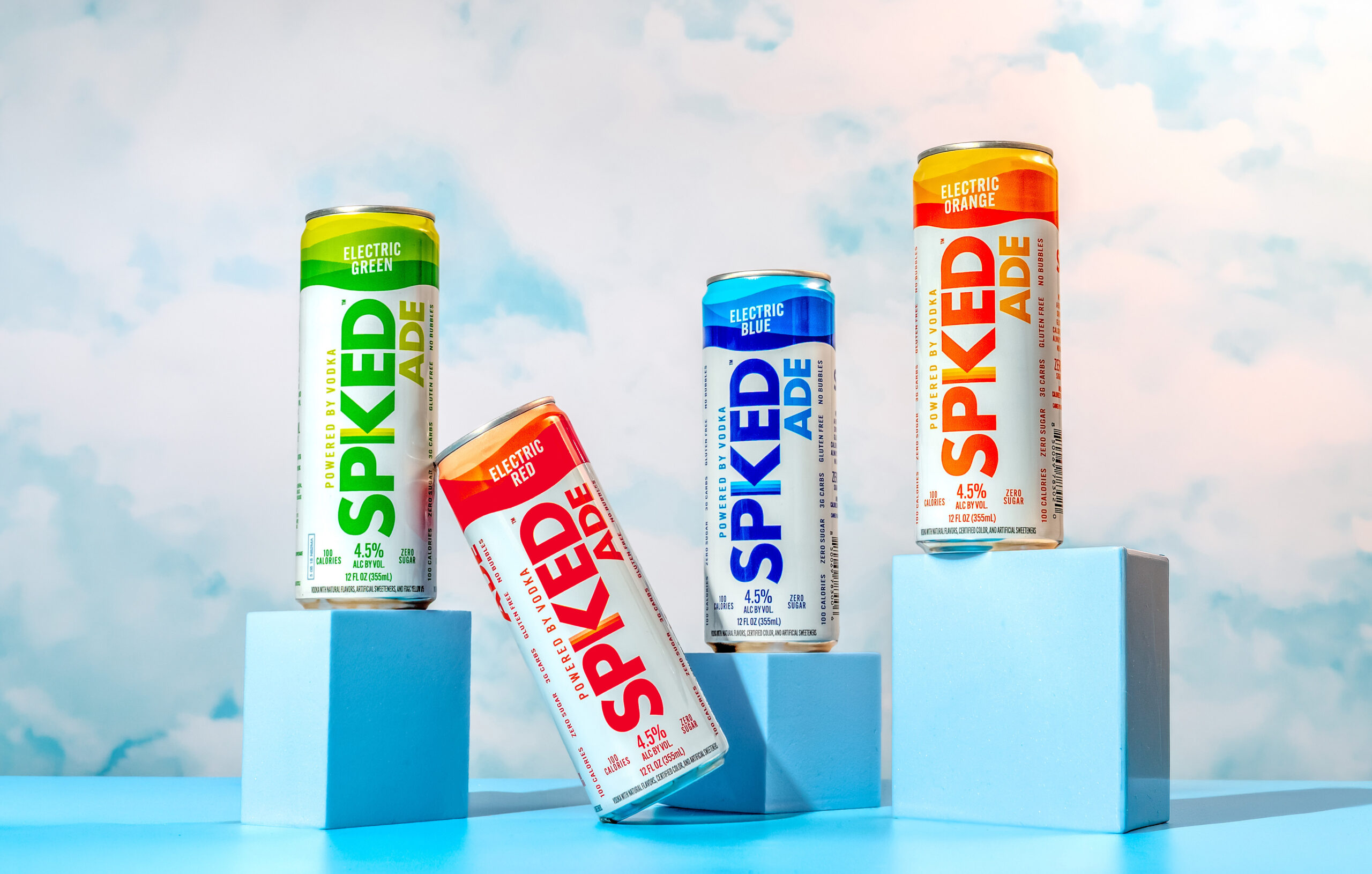
Constellation Brands has acquired SpikedAde for US$75 million upfront and agreed to potential performance payments of up to US$278 million over five years. The structure is commercially revealing: most of the maximum consideration depends on what the emerging ready-to-drink brand delivers after Constellation takes control of production, marketing and distribution.
The transaction separates ownership from valuation certainty
Constellation announced the completed acquisition on 6 October 2026. Its subsequent quarterly filing states that the acquired business includes inventory and trademarks and will be reported within the company’s Beer segment.
The payment structure comprises US$75 million at closing plus contingent consideration of up to US$278 million payable over five years according to the future performance of SpikedAde. If every contingent payment became payable, total consideration could reach US$353 million. That maximum is an arithmetic implication of the disclosed terms, not a forecast of what Constellation will ultimately pay.
The contingent component is approximately 3.7 times the upfront payment. This indicates a substantial gap between the value Constellation was prepared to commit at closing and the value sellers may receive if the brand meets the agreed performance conditions. The company has not publicly disclosed the earnout thresholds, revenue milestones, margin tests or payment schedule beyond the five-year period.
Why the earnout matters
Earnouts are often used when a buyer and seller agree on strategic potential but have different views about how quickly that potential can become measurable performance. They can reduce the buyer’s initial exposure while allowing founders and other sellers to participate in upside after integration.
For investors and brand owners, the critical issue is not simply the headline maximum. It is the definition of performance. Revenue-based milestones may reward rapid distribution expansion, while profit or contribution-margin tests place more weight on sustainable economics. Milestones can also be affected by decisions that move to the buyer after closing, including pricing, production capacity, marketing investment and distributor priorities.
That creates a governance question: how will performance be measured when Constellation, rather than the seller, controls many of the operating levers that influence the earnout? Strong agreements normally address reporting access, accounting policies, brand-investment obligations, dispute resolution and the treatment of products or channels that overlap with the acquired brand.
Distribution is the central operating thesis
Constellation says the SpikedAde team will be integrated into its Beer Division. The company will assume production oversight, marketing and distribution and intends to align the brand with its Gold Network distributor partners, subject to applicable law.
This makes the deal more than a purchase of trademarks. The commercial thesis depends on whether a scaled beverage platform can convert an emerging regional brand into broader national availability without weakening its positioning or overextending demand.
Constellation describes SpikedAde as having an established eastern United States presence, expanding distribution, account growth and high reorder rates. It does not disclose SpikedAde’s revenue, profitability, current account count or market share in the acquisition announcement. Those omissions matter because distribution gains can increase shipments before consumer sell-through and repeat purchasing are fully established.
Category growth does not remove brand-level risk
The announcement cites Circana data showing dollar sales in the spirit-based ready-to-drink category increased 25% during the 52 weeks ended 30 August 2026. That is category evidence, not proof that SpikedAde will grow at the same rate or justify the maximum contingent consideration.
SpikedAde combines sports drink-inspired flavours with vodka in a non-carbonated, zero-sugar, 100-calorie format. Its differentiation may help it secure attention, but consumer-product growth still depends on repeat purchase, price positioning, retail placement, distributor focus and the ability to maintain supply as geography expands.
What brand owners should take from the deal
- Separate strategic appeal from proven economics: a distinctive concept can attract a platform buyer, but undisclosed sales and margin data remain material diligence gaps.
- Map the distribution transfer before closing: contracts, state-level alcohol rules, inventory ownership, pricing and distributor incentives determine how quickly new reach can become sell-through.
- Define earnout metrics precisely: brand owners need clarity on accounting treatment, channel allocation, marketing costs, returns, promotional discounts and buyer-controlled investment.
- Protect the elements that created demand: scale should not erase brand identity, product quality or the founder insight that established early consumer traction.
- Model the maximum payment as conditional: investors should not treat US$353 million as a fixed acquisition price when US$278 million depends on future performance.
Diligence questions for an emerging-brand acquisition
- Which performance measures trigger each contingent payment, and who controls the inputs?
- How much marketing, production and working capital is required to support national distribution?
- What proportion of current shipments converts into consumer sell-through and reorder activity?
- How will existing distributor relationships transition into Constellation’s network?
- Which integration decisions require founder involvement, and how long will key personnel remain?
- What prevents portfolio overlap from reducing sales focus or changing brand positioning?
The real test begins after closing
Constellation has bought full ownership, but the transaction deliberately leaves much of the potential valuation to be earned. That balance makes commercial sense for an emerging brand whose future value depends on execution through a larger platform.
The evidence to watch will be distribution quality, repeat purchasing, disciplined marketing investment and the relationship between growth and contribution economics. If those measures strengthen together, the earnout may prove to be a bridge between early brand momentum and scaled value. If they do not, the structure limits how much of that projected value Constellation must pay.
Star Brands Consulting Group supports investors, brand owners and operating partners assessing market-entry structures, distribution capability and commercial readiness. Learn more about our Market Entry Advisory.
Leave a Reply