
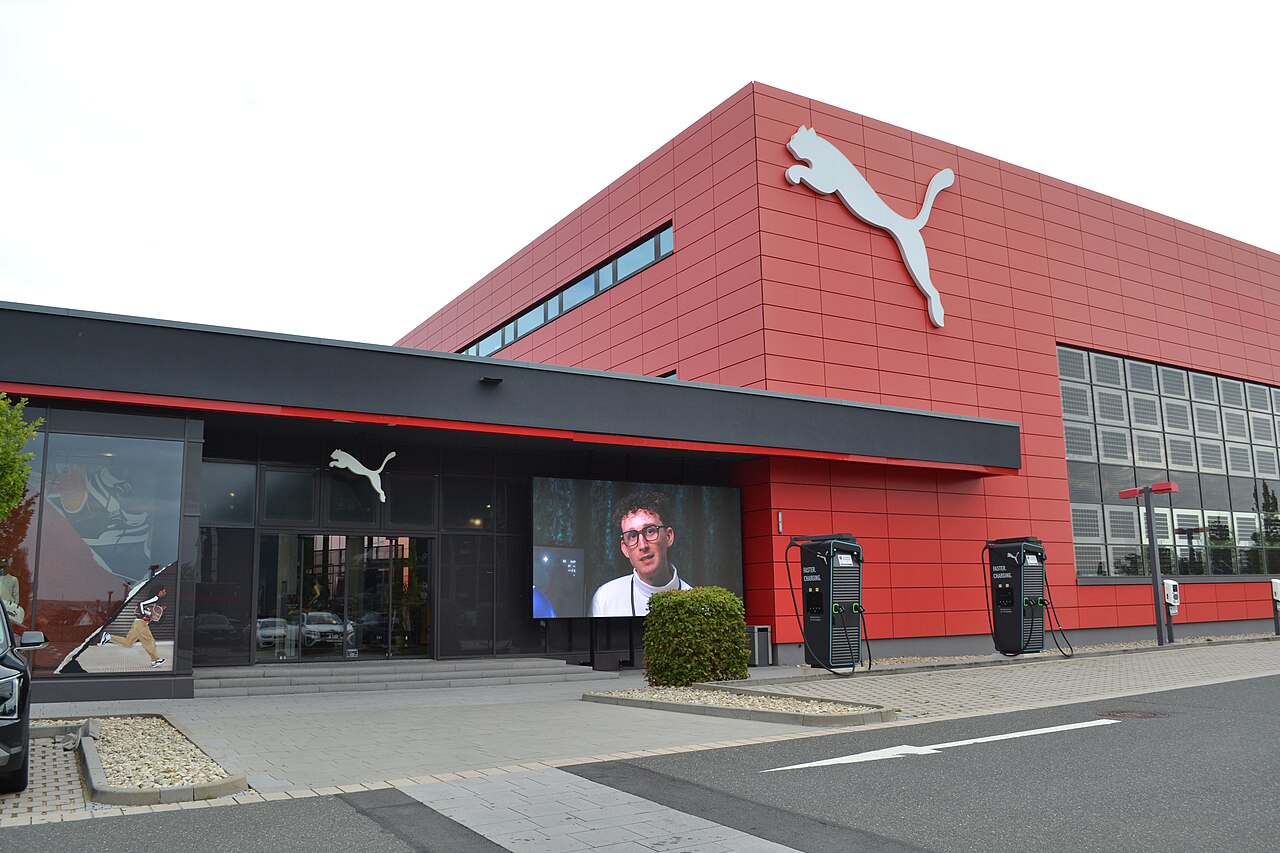
PUMA has granted Interparfums an exclusive worldwide licence to create, develop, produce and distribute PUMA fragrances. The term runs through 31 December 2037, giving both parties an unusually long runway in which to turn sports-brand recognition into a durable beauty business.
The companies announced the agreement on 22 September 2026. Their first disclosed product milestone is a new signature lifestyle fragrance planned for 2027. No royalty rate, minimum guarantee, launch-market sequence, product count, pricing architecture or sales target was disclosed.
The term is strategically significant
A licence lasting until the end of 2037 is not simply permission to put a familiar logo on a bottle. It creates time for product development, regulatory work, retailer sell-in, repeat launches and the slower task of establishing fragrance credibility with consumers.
That duration also raises the cost of weak execution. A long term can support patient investment, but it does not guarantee shelf space, demand or renewal. The commercial value will depend on whether Interparfums can translate PUMA’s positioning in sport and lifestyle into a fragrance proposition with its own reason to exist.
Worldwide rights do not mean a simultaneous worldwide launch
The announcement describes the rights as worldwide. It also says PUMA products and Interparfums products are each distributed in more than 120 countries. Those facts provide potential reach, but they do not establish that the new fragrance will launch in every market at once.
Country-by-country execution still requires decisions on registration, packaging and labelling, import arrangements, local pricing, retail channels, inventory and marketing. The practical test is therefore not the number of countries named in a rights clause; it is the quality of the launch sequence and the local partners supporting it.
Interparfums brings a licensing-led operating model
Interparfums’ 2025 annual report says its European operations produced and distributed fragrances primarily under licence, and that those operations represented approximately 68% of 2025 net sales. Its portfolio spans fashion and luxury names including Coach, Jimmy Choo, Lacoste, Montblanc and Van Cleef & Arpels.
The same filing says the company’s licence agreements generally carry minimum advertising, royalty and other commitments. It reports a typical royalty range across its agreements, but the PUMA announcement did not disclose the economics of this specific deal. Applying a portfolio-wide range to PUMA would therefore be speculation.
What brand owners should test before signing long-term category licences
- Category logic: whether the proposed product expresses the brand’s values rather than relying on recognition alone.
- Operating capability: who owns formulation, packaging, sourcing, quality assurance, regulatory work and market withdrawals.
- Launch discipline: how markets, retailers and price tiers will be sequenced, and what evidence is required before expanding.
- Marketing obligations: which party funds campaigns, approves creative work and supplies talent, athlete or archive assets.
- Performance controls: how minimum sales, royalties, distribution standards, reporting, audit rights and termination remedies are defined.
- Channel protection: how discounting, marketplaces, travel retail and unauthorised distribution will be governed.
These are due-diligence questions, not disclosed provisions of the PUMA–Interparfums agreement.
What investors and distributors should watch in 2027
The first meaningful signals will come from execution: the identity and positioning of the signature fragrance, initial markets, retail partners, price architecture, marketing support and evidence of replenishment after launch. A broad opening order can demonstrate distribution access; repeat orders are a stronger test of consumer demand.
For distributors, the critical question is whether the product earns enough local support to justify working capital and retail attention. For PUMA, the test is whether fragrance can add profitable brand reach without weakening its core identity. For Interparfums, it is whether an established global sports name can become a repeatable beauty platform rather than a one-season novelty.
The commercial takeaway
The agreement combines a globally recognised brand, an experienced fragrance licensee and a term long enough to support a portfolio rather than a single launch. The opportunity is substantial, but the announced rights are only the starting point. Value will be created through product-market fit, controlled distribution and measurable repeat demand.
Star Brands Consulting Group helps brand owners and operating partners assess category fit, partner capability, territory structure and route-to-market requirements. Explore our licensing strategy advisory.
Leave a Reply