
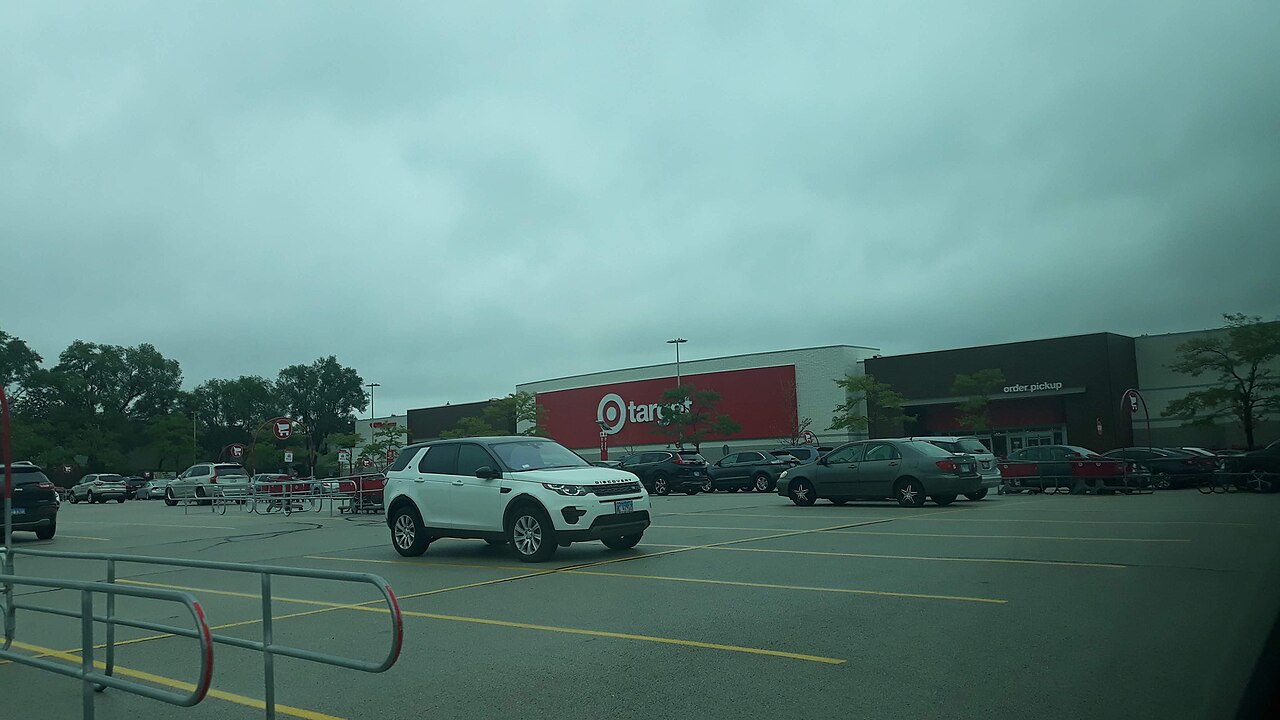

Target’s home-brand overhaul shows why a brand refresh needs an operating plan: product changes, prices and store presentation must work together, and sales gains need to be tested against the cost of delivery.
What Target announced
On 27 October 2026, Target announced more than 800 new Threshold items and changes to the shopping experience across stores and online. It describes Threshold as a nearly US$3 billion owned brand. The update combines broader styles, material improvements and selected bedding price reductions with merchandising that groups complementary home categories together. Some stores also receive wood fixtures.
Target reports double-digit growth for reinvented products already on sale, including throws, decorative accessories and candles. It says tests of revised in-store presentations delivered mid-single-digit increases in sales and units. These are company-reported results; the announcement does not disclose the testing period, sample size, comparison methodology or profit contribution. Read Target’s 27 October announcement.
A planned investment programme, not an isolated campaign
The announcement follows Target’s 3 March 2026 strategy presentation. That plan included a Threshold relaunch and home shop-in-shops in 200 stores, alongside approximately US$5 billion of total company capital expenditure planned for 2026. Target also outlined additional operating investment in areas including payroll, training, marketing and technology.
Those March figures were plans for the wider business. They are not the disclosed cost of the Threshold refresh, and the October release does not establish that all 200 planned shop-in-shops have been completed.
The commercial distinction: attention versus incremental return
Star Brands analysis: A coordinated presentation can help customers understand how products fit together. The investment question is whether that changes total customer spending profitably, rather than moving purchases between adjacent ranges or drawing sales forward through lower prices.
An operator evaluating a similar programme should separate three effects: more shoppers buying, more items per purchase, and changes in the price or margin of those items. A higher unit count can coexist with weaker contribution if discounts, fulfilment costs or replenishment labour absorb the gain. Equally, a smaller assortment can outperform a larger one if availability and stock turnover improve.
The evidence required before expansion should therefore include comparable-store results, gross profit after markdowns, inventory ageing and fixture and labour costs. Testing across different store sizes and customer catchments would help establish where a format works, rather than treating one average uplift as universally transferable.
What brand owners and channel partners should take from it
For brand owners, the practical lesson is to connect positioning to choices that operators can execute: which products belong together, what quality standards must be maintained, which price points anchor the range, and how stock is replenished. A visual identity alone cannot answer those questions.
For distributors and retail partners, proposals should clarify who funds display changes, who carries slow-moving inventory and who supplies the sales data needed to judge performance. These are due-diligence questions for comparable arrangements, not reported terms of Target’s programme.
For investors, the relevant milestone is repeatable economics after rollout costs. Early sales tests can justify further investigation; they do not establish a payback period or prove that the same approach will succeed in another country.
Applying the lesson to expansion
Before committing to a brand refresh or new retail format, define the customer proposition, operating requirements and financial measures together. Contact Star Brands Consulting Group to discuss brand strategy, partner qualification or market-entry planning for your business.
Leave a Reply