
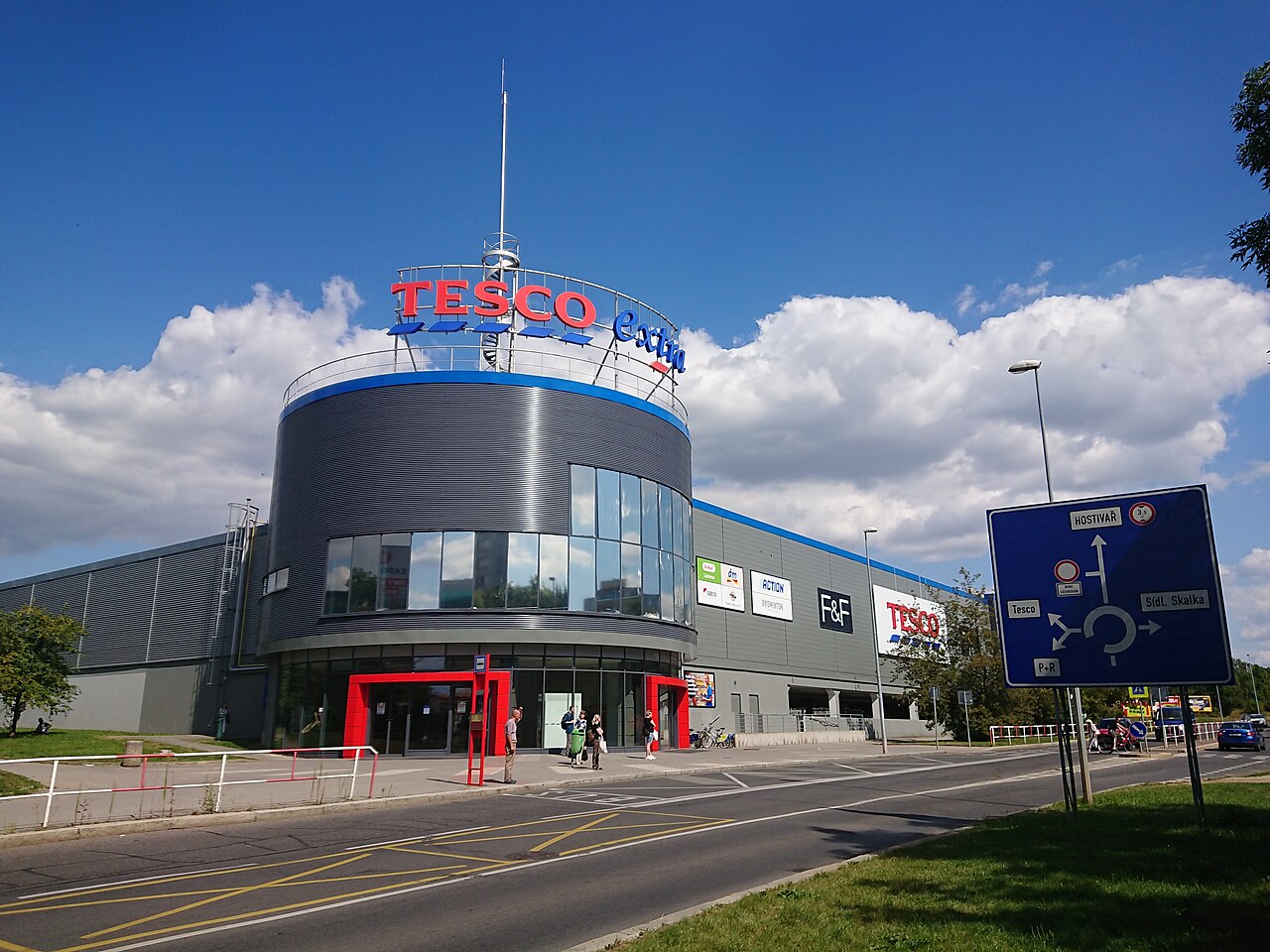

Ahold Delhaize’s proposed purchase of Tesco’s Czech and Slovak businesses combines expansion in an established market with entry into an adjacent one. For brand owners and operators, the key issue is how an acquired store network becomes a coherent operating business.
An agreement, with completion still ahead
On 30 October 2026, Ahold Delhaize announced an agreement to acquire 100% of the two businesses, subject to regulatory approval. It describes more than 360 self-operated stores and over 100 franchise stores. The buyer expects completion in the fourth quarter of 2027; Tesco gives the broader second half of 2027 window. Neither announcement establishes that ownership has already transferred.
The buyer quotes approximately €1.2 billion in enterprise value, or €1.7 billion including lease adjustments under IFRS 16. Tesco reports €1.7 billion in enterprise value and expected net cash proceeds of €1.2 billion before tax and transaction costs. These measures should not be treated as interchangeable cash purchase prices.
Ahold Delhaize plans to combine its Albert business with Tesco Czechia and enter Slovakia. It anticipates store remodelling and alignment of assortment and loyalty offerings. Those are intended integration benefits, not completed changes or verified returns.
Sources: Ahold Delhaize announcement and Tesco announcement, both 30 October 2026.
Market entry through acquisition still requires local execution
The following commercial implications are Star Brands Consulting Group’s analysis, not additional terms disclosed by the parties.
An acquisition can deliver locations, employees and supplier relationships together. That creates a different starting point from building a network store by store, but it also brings existing commitments. The practical assessment is whether those assets fit the buyer’s intended format, customer proposition and investment capacity.
Expansion teams should distinguish the value of an established customer base from the cost of changing how it is served. Store refurbishment, stock transitions, staff training and systems migration can compete for management attention. A credible plan sequences those tasks around continuity of trading, rather than assuming that all sites can change at the same pace.
Franchise stores need a separate transition plan
The presence of independently operated outlets makes contract-level diligence important. Investors should ask which obligations sit with the franchisor, which sit with individual operators, and what approvals would be needed for changes to branding, supply arrangements, systems or store standards.
The announcements do not disclose the terms of individual franchise agreements. It would therefore be premature to claim that operators must rebrand, that their economics will improve, or that new franchise rights are available. A transaction headline is not an offer of territory or a substitute for reviewing the relevant contracts.
For comparable deals, a useful operator assessment would identify funding capacity for any agreed refurbishment, training needs, reporting readiness and the working capital required during a changeover. These are diligence questions, not claims about deficiencies in the Tesco network.
Suppliers should separate opportunity from confirmed access
A larger buying organisation may create a route to additional stores, but suppliers should not treat consolidation as an automatic listing opportunity. Product range decisions, logistics specifications, promotional calendars and payment arrangements can change at different times.
A supplier’s practical response is to map existing contracts and decision makers, document delivery performance and prepare a clear commercial case for each market. Any forecast of incremental sales should remain conditional on actual ranging and purchasing decisions.
What to watch before committing capital
The next decision points are regulatory clearance, a confirmed completion timetable and more detailed transition plans. Store-level investment requirements and the treatment of franchise relationships will matter more to operators than a headline valuation alone.
Brand owners and investors considering acquisitions, market entry or distribution transitions can contact Star Brands Consulting Group to discuss their commercial objectives and diligence priorities.
Leave a Reply