
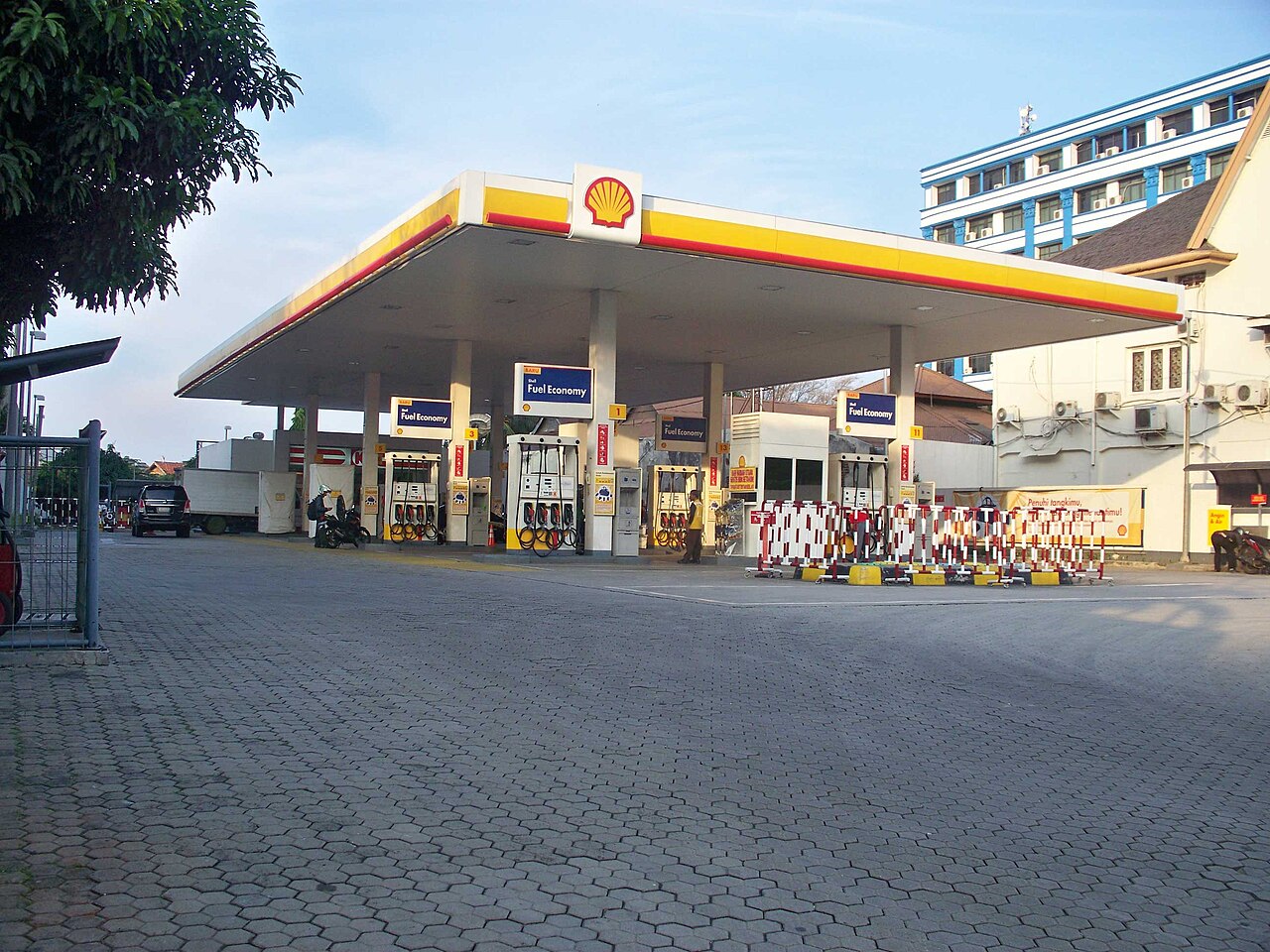

Shell has completed the transfer of its Indonesian petrol-station business to SEFAS Group while retaining its brand on the network through a licence. The commercial test now sits behind the familiar forecourt signage: who funds, supplies and controls the customer experience?
What changed on 30 October
In its 30 October 2026 completion announcement, Shell said the business would operate through SEFAS-owned PT Isla Energy Indonesia. The transfer covers the retail business, related supply and distribution activities, the Gresik fuel terminal and approximately 200 stations, more than 160 of them company-owned. Shell’s Indonesian lubricants business is excluded.
The announcement confirms completion under a revised sale-and-purchase agreement. It says the Shell brand will remain across Isla’s station network under a brand licence. It does not disclose the transaction price, licence fees, duration, site-level earnings or detailed operating obligations.
A licence preserves recognition; the operating system must deliver it
Star Brands analysis: For a brand owner, this type of structure can preserve a route to consumers after transferring ownership of a retail business. For the buyer, a recognised identity can reduce the need to introduce an unfamiliar proposition. Neither advantage establishes the economics of the acquired network.
The practical diligence question is how authority follows responsibility. A buyer should understand which decisions it can make independently, which require brand approval, and how a service failure is investigated and corrected. Investors should examine the cost of meeting brand standards alongside the freedom to improve local operations. A licence that looks attractive at the headline level can have very different economics once required maintenance, systems and marketing commitments are included.
Supply capability belongs in the investment case
The infrastructure component makes this a useful case for investors assessing branded retail acquisitions. A forecourt earns customer trust through product availability and consistent execution as well as recognition. Analysis of the retail estate should therefore connect site demand with replenishment capacity, inventory funding and delivery reliability.
For an acquisition of this kind, a useful downside case would model lower throughput alongside the cash tied up in stock and the cost of maintaining the network. It should also test how quickly management can identify and resolve a local supply interruption. These are evaluation questions, not claims about Isla’s current performance or the terms of this transaction.
Operator qualification must reach beyond the existing relationship
SEFAS describes its development from lubricants distribution into a diversified business on its corporate website. Such experience can be relevant to partner selection, but a different operating scope still requires its own evidence of readiness.
For brand owners considering comparable transitions, qualification should examine the proposed retail management team, reporting systems, maintenance resources and working-capital arrangements. An established commercial relationship is a starting point for that assessment; it cannot answer every question about running a consumer-facing estate.
Operators and investors should also request a clear map of the assets, contracts and obligations inside the transaction. Separate financial models for acquired activities and continuing supplier relationships help prevent assumptions about what a familiar brand name actually includes.
The wider lesson for brand-led market strategy
Brand presence, asset ownership and operational control can sit with different parties. The strongest investment case explains how they work together and identifies who must act when performance falls short. This completion notice provides evidence of a structural change; it does not establish future returns or an offer of franchise or dealer rights.
For independent support assessing a licensing structure, operating partner or market-entry pathway, contact Star Brands Consulting Group with your sector, target market and proposed role.
Sources: Shell Indonesia, completion announcement dated 30 October 2026; SEFAS Group, corporate overview accessed 1 November 2026. Commercial implications above are Star Brands’ analysis.
Leave a Reply