
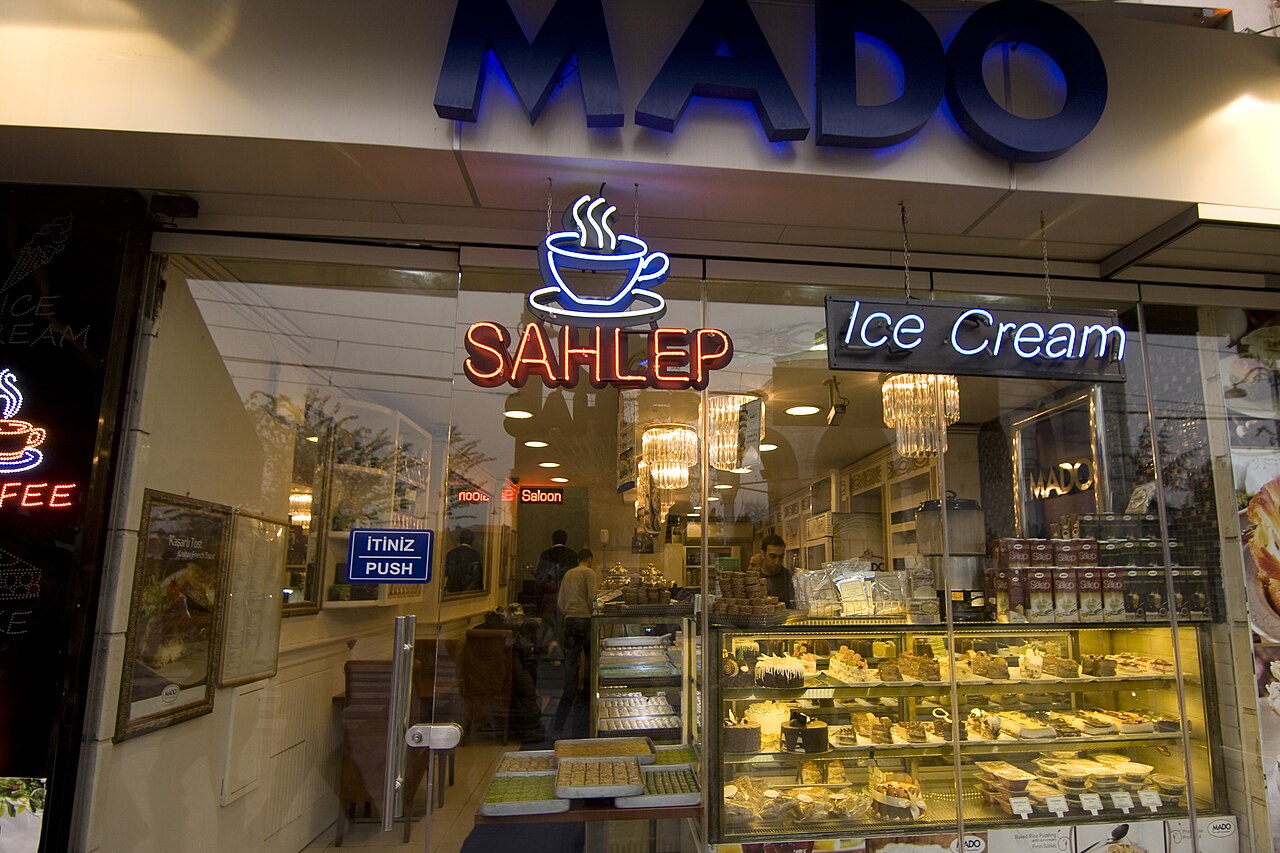

Alushibe’s MADO agreement illustrates how property ownership can support franchise expansion. But differing public descriptions of the rollout show why investors must establish the existing network and development obligations before treating an announcement as an executable plan.
What the announcement establishes
In its 29 October 2026 company release distributed by Business Wire, Alushibe Holding Group said it had signed an exclusive MADO master-franchise agreement in Kahramanmaraş on 13 October. The release describes a planned US$7 million first phase comprising seven cafés, beginning in Benghazi.
It targets a flagship exceeding 1,000 square metres in an Alushibe-owned Al-Hawari property for the first quarter of 2027, followed by a District Mall location in 2028. These are announced plans, not verified openings or achieved investment outcomes.
The public accounts need reconciliation
Alushibe’s 15 October account describes ten branches as the first step. The later release specifies seven cafés in the first phase without explaining the relationship between the two figures.
The later announcement also calls the planned Benghazi flagship Libya’s first MADO. Yet MADO’s own international branch directory, checked on 30 October, lists Tripoli MADO. A directory listing alone does not establish whether a restaurant is trading, planned or historical. It does mean that a first-ever market-entry claim needs clarification.
Why property access matters commercially
Star Brands analysis: A partner that controls suitable premises may coordinate site selection, fit-out and opening dates more directly. That advantage is conditional: ownership does not establish customer demand, efficient kitchen design or acceptable restaurant returns.
The operator should test the café as a standalone business, using a realistic occupancy charge even where the building belongs to the same group. Otherwise, property support can obscure whether the restaurant would remain viable at an arm’s-length rent. A large flagship also needs its own sales-density and staffing model; its economics should not be copied automatically into smaller units.
Qualify the operating system before the territory
Brand owners evaluating comparable arrangements should assess procurement, cold-chain resilience, menu consistency, training capacity and the management team responsible for each opening. Financial resources and property holdings are relevant evidence, but neither substitutes for repeatable food-service operations.
Investors should distinguish a country-level rights grant from permission to recruit sub-franchisees. The public announcement does not establish that third parties can buy rights, nor does it disclose franchise fees, royalties or unit-level profitability. Those details require the applicable agreements and validated operating evidence.
Translate ambition into milestones
A practical development review should reconcile existing locations, committed sites and later ambitions in one dated schedule. Opening milestones should follow site readiness, supply-chain validation and trained staffing rather than a headline unit count alone. Changes in scope should be documented so that capital commitments and operating responsibilities remain aligned.
For brands and operators assessing cross-border expansion, Star Brands Consulting Group’s Market Entry Advisory supports entry-route assessment, partner qualification and execution planning.
Leave a Reply