
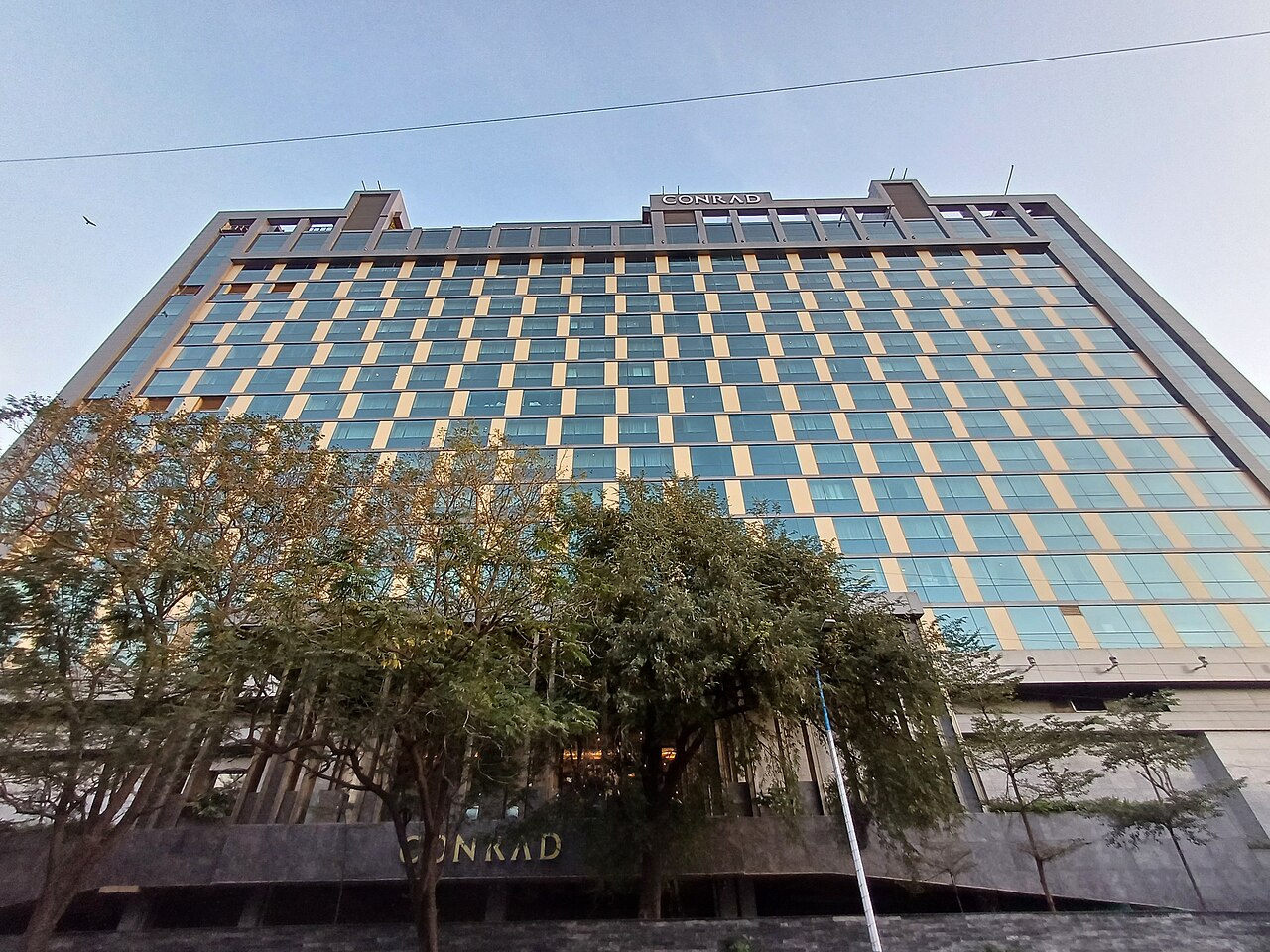

Hilton’s latest results show why hotel investors need a local demand case alongside a global brand strategy. Network expansion and rising fee income can coexist with weaker room revenue in particular regions.
The reported growth—and the regional split
Hilton’s 27 October 2026 release covers the quarter ended 30 September. Comparable, currency-neutral revenue per available room (RevPAR) rose 5.8% system-wide. The regional figures diverged: the United States gained 7.0% and Europe 6.5%, while Asia Pacific fell 0.5% and Middle East & Africa fell 5.6%.
Management and franchise fee revenue increased 9.5%. Hilton opened 182 hotels with 27,000 rooms, producing 23,000 net room additions. Its development pipeline reached 543,100 rooms; nearly half were under construction and more than half were outside the United States.
The company attributed part of the quarter’s performance to World Cup demand and favourable calendar and holiday shifts. It projected fourth-quarter comparable, currency-neutral RevPAR growth of 3.0%–3.5%. That is guidance, not a realised result.
Brand growth does not settle the property investment case
The following is Star Brands Consulting Group’s commercial interpretation, not additional guidance from Hilton.
A hotel brand can expand its fee-generating network while individual owners face different trading conditions. For an investor, that makes brand-level results a starting point for diligence, rather than a substitute for a property cash-flow model.
RevPAR measures room revenue against available room inventory. It does not deduct payroll, utilities, maintenance, distribution charges, financing costs or capital expenditure. A positive revenue trend therefore cannot establish an owner’s profit margin or debt-service capacity.
Regional averages also conceal differences between cities, travel segments and hotel categories. An airport hotel serving contracted business demand may face a different outlook from a resort dependent on discretionary international travel. Neither should inherit a continent-wide growth assumption without evidence from its own competitive market.
Separate recurring demand from event demand
For a proposed franchise or management agreement, the underwriting process should identify which demand sources are likely to recur. Event-related room rates can help a trading period without providing a dependable basis for a long-term financing commitment.
A practical review would compare normal-week occupancy and rates with peak periods, test customer concentration, and examine the cost of acquiring bookings. The resulting scenarios should show how cash flow changes when demand normalises, rather than extending a particularly strong quarter indefinitely.
Under-construction supply changes the operator brief
Pipeline figures become commercially useful when mapped to the proposed hotel’s opening date and competitive set. Projects under construction deserve closer attention than an undifferentiated list of announced developments, although construction itself does not guarantee completion on schedule.
Operator qualification should address how the team would respond to additional nearby supply: positioning, account development, staffing productivity and revenue management. A development partner should also demonstrate funding for pre-opening activity and a slower-than-planned ramp-up.
For brand owners, the corresponding discipline is to assess whether a prospective operator’s local execution capacity matches the expansion commitment. A signed agreement is a milestone; a sustainably trading property is the commercial objective.
What investors should request next
Before committing capital, request a market-specific competitive-supply assessment, a normalised demand forecast and a downside operating budget. Review the proposed agreement’s fee structure and capital obligations alongside those assumptions. This connects the attraction of a recognised brand with the economics of the actual asset.
Investors, operators and brand owners assessing hotel market entry or partner readiness can contact Star Brands Consulting Group to discuss their objectives and advisory requirements.
Leave a Reply