
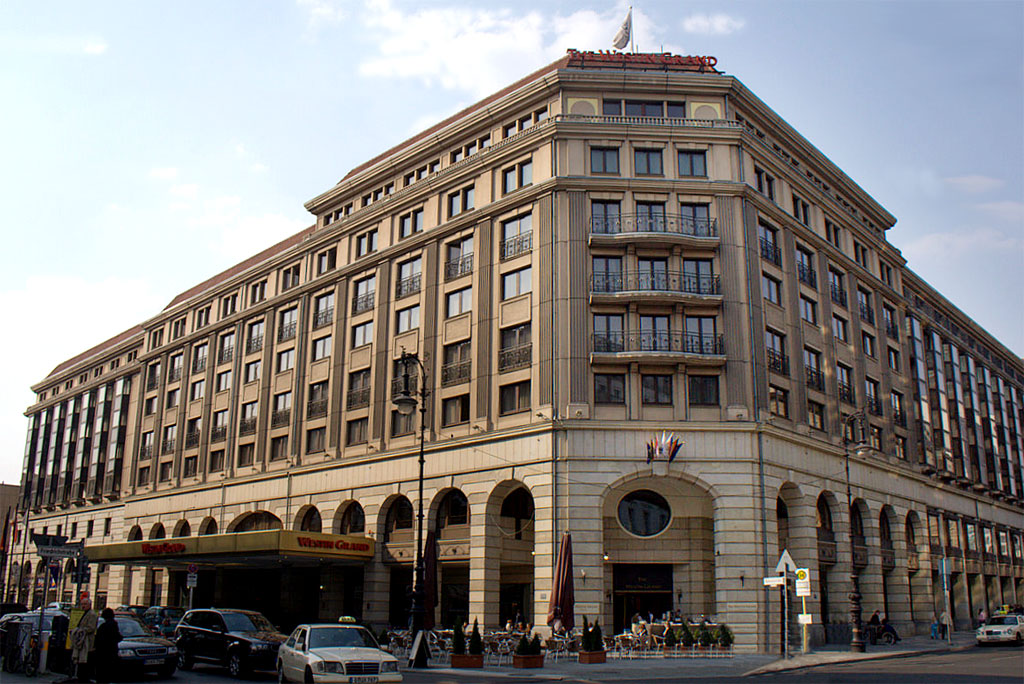

Covivio’s completed German hotel-operator transition shows how an owner can seek better returns through management structure. The next test is whether projected savings become durable operating performance.
A completed transition, with benefits still projected
In its 21 October 2026 trading update, Covivio Hotels reported completing the transition of six German hotels under management contracts to Radisson Hotel Group and Odyssey Hotel Group during the third quarter. Named properties include the Westin Grand Berlin and Park Inn Berlin.
Covivio expects €3 million of annual savings once the new structure reaches its intended operating level, approximately 8% higher portfolio EBITDA, and around €40 million of value creation. These are company targets, not reported realised gains. The update attributes the expected improvement to operating efficiency, control and alignment of interests.
Across Covivio Hotels, nine-month hotel revenue reached €270 million on a group-share basis, up 4.7% at current scope and 2.0% like-for-like. Those company-wide figures should not be treated as results from the six-hotel transition.
The owner, operator and brand are different commercial roles
Odyssey’s own announcement identifies hotel management agreements for four Covivio-owned German properties. It says the addition brings more than 1,200 rooms into its managed portfolio, increasing it from around 4,200 to more than 5,400 rooms. Its corporate website describes the business as a multi-brand, third-party operator.
Star Brands analysis: this distinction matters when assessing a branded hotel opportunity. The property owner supplies or controls the real estate; a management company runs the hotel; a brand relationship can provide identity, standards and distribution. A familiar name above the entrance does not, by itself, identify the party responsible for payroll, procurement, revenue management or the owner’s operating report.
For an investor comparing proposals, the useful starting point is a clear map of those responsibilities. Each counterparty should be evaluated against the work it actually performs. Brand reach and management capability deserve separate scrutiny, even where one organisation offers both.
Translate the savings target into a measurable operating plan
A projected cost reduction becomes more useful when it is broken into accountable actions. An owner reviewing a comparable transition should ask which savings come from purchasing, shared services, staffing organisation, technology or revised commercial terms. None of those specific mechanisms should be assumed to apply here without further disclosure.
The review should also distinguish recurring savings from temporary reductions and identify transition costs. System migration, recruitment, training and supplier changes can affect early cash flow. A credible performance report would show the baseline, the timing of each action and whether service standards or guest satisfaction deteriorate as costs fall.
The valuation target needs a separate assessment. Higher operating earnings can support an asset’s value, but the result also depends on capital requirements and the assumptions applied to future income. A company’s value-creation target is not a completed sale price or an independently verified return.
What operators and brand owners can take from the change
For operators, winning institutional mandates requires more than adding room count. Owners need consistent reporting, credible transition teams and evidence that service quality can be maintained across different brand systems. For brand owners, an independent operating platform may extend reach, while making clarity over standards, data access and escalation procedures particularly important.
For investors, the practical lesson is to assess management arrangements as part of the asset strategy from the outset. A recognised brand and a strong location are meaningful inputs; the allocation of authority, incentives and operating accountability determines how those inputs are used.
To discuss operating-partner qualification or the structure of a hospitality expansion, contact Star Brands Consulting Group with your target market and current stage.
Leave a Reply