
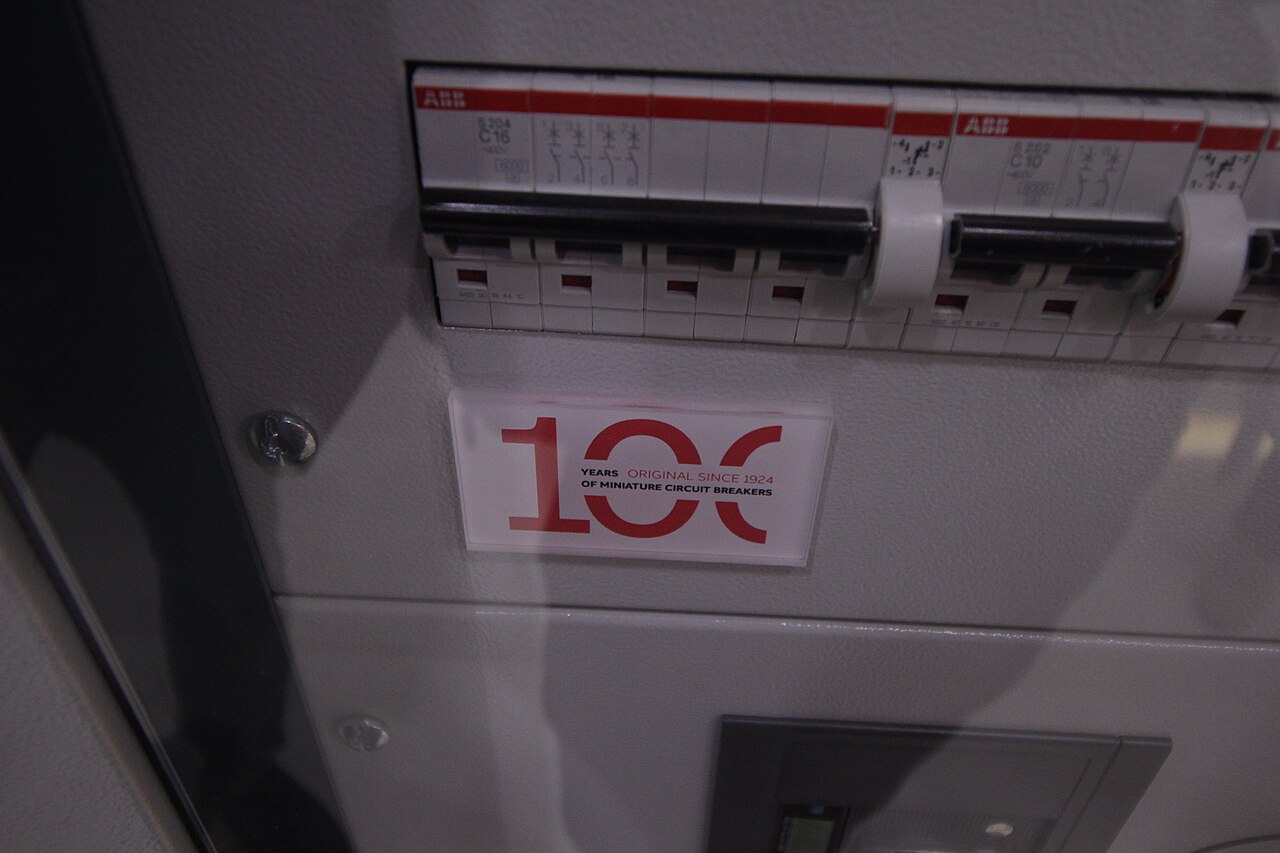

ABB’s proposed Mitsubishi Electric joint venture combines control of a Japanese industrial business with ownership of its related overseas sales operations. For companies planning international expansion, the structure highlights why customer access deserves separate attention from factory ownership.
What the companies agreed
On 20 October 2026, ABB announced an agreement to acquire 51% of a company carved out of Mitsubishi Electric’s low-voltage power-distribution product business, alongside full ownership of related sales operations outside Japan. ABB puts the combined consideration at JPY 79 billion, approximately US$495 million. It expects completion in the second half of 2027, subject to regulatory approvals and customary conditions, with an option for full ownership in the medium term.
The business makes equipment including circuit breakers, switches and control devices, with factories in Fukuyama, Japan, and Hanoi, Vietnam. Here, “power distribution” describes electrical equipment; the separate sales operations provide the commercial route to customers.
Mitsubishi Electric’s disclosure identifies 1 October 2027 as the planned closing date. It says overseas sales businesses are expected to transfer to ABB’s local entities and that ABB would nominate five directors to a seven-member board. Mitsubishi Electric would retain 49% of the joint venture. These are planned arrangements, not completed transfers.
Why the ownership structure matters
Star Brands analysis: the transaction separates two market-entry decisions: who controls production and who manages the route to customers. A majority manufacturing stake can support decisions on capacity, product development and investment. Direct ownership of overseas sales operations offers a different form of control over account management and commercial execution.
For a brand owner considering a joint venture, acquisition or distribution partnership, the practical question is whether the proposed structure actually brings the customer relationships, sales capabilities and service responsibilities needed to sell the product. A headline equity percentage does not answer that question.
Nor should investors assume that combining product catalogues automatically creates cross-selling. Integration plans need named account owners, compatible ordering processes, staff training and clear responsibility for warranty and after-sales support. These are commercial due-diligence priorities inferred from the structure, not disclosed ABB integration commitments.
Read the financial measures carefully
ABB’s third-quarter results, released on 20 October, put the business’s fiscal-2025 revenue at approximately JPY 102 billion and its EBITDA margin in the low double digits. The overseas sales operations represent around 15% of revenue. ABB targets an operational EBITA margin of at least 20% within five years through combined sales channels, technology introductions and manufacturing improvements. That is a company target; EBITDA and operational EBITA are different measures and should not be presented as a direct margin comparison.
Mitsubishi Electric separately lists a planned JPY 82.4 billion share-transfer price, calculated using EBITDA, an agreed valuation multiple and adjustments for cash, deposits and debt-like items, with further contractual adjustments possible. This differs from ABB’s JPY 79 billion combined-consideration figure. The cited releases do not provide a complete reconciliation, so the figures should remain separately attributed rather than be collapsed into one price.
What investors and commercial partners should examine
- Map the transaction boundary: identify which assets, customer contracts, intellectual-property rights and sales entities move into each ownership structure.
- Test operational continuity: establish how orders, service obligations and channel relationships will be handled during the transition.
- Separate the base case from integration upside: assess existing earnings before assigning value to cross-selling or manufacturing improvements.
- Check governance alongside ownership: review board representation, reserved decisions and future ownership options together.
For businesses assessing market-entry structures and partner capabilities, contact Star Brands Consulting Group to discuss the commercial questions that should be resolved before committing capital.
Sources: ABB transaction announcement and third-quarter results, 20 October 2026; Mitsubishi Electric announcement, 20 October 2026, incorporating its 21 October correction to the forecast disposal gain. Commercial implications above are Star Brands’ analysis.
Leave a Reply