
TempraMed has signed an exclusive distribution agreement for Kuwait that pairs a defined territory with minimum purchase commitments, but the commercial outcome still depends on product registration, regulatory clearance and the local distributor’s ability to build demand.
The medical-device company announced the agreement on 15 October 2026. The contract itself is dated 14 September 2026, an important distinction because the announcement followed the event by one month. Under the agreement, OGM For Import Medicine and Medical Supplies will serve as TempraMed’s exclusive distributor in Kuwait for an initial 36-month term.
What the agreement covers
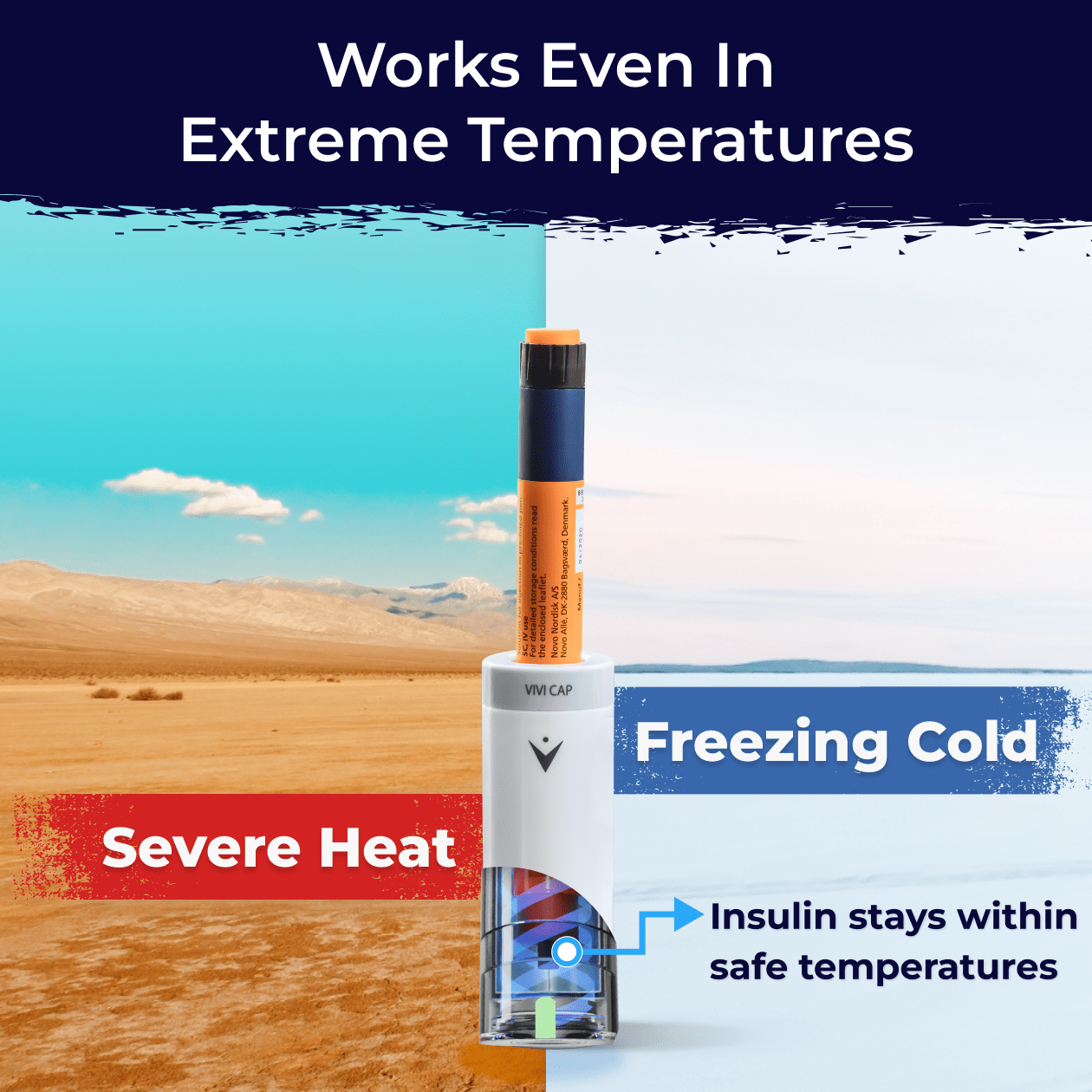
According to TempraMed’s company announcement distributed through TMX Newsfile, the portfolio includes VIVI Cap, VIVI Cap Smart, VIVI Med and VIVI Epi. The agreement is intended to support registration, marketing, promotion, sales and distribution in Kuwait.
TempraMed described minimum annual purchase commitments representing approximately US$500,000 in potential minimum purchases over the initial three-year term. That figure is not guaranteed revenue. The company explicitly tied the opportunity to regulatory clearance, continued compliance with the agreement and fulfilment of the relevant purchase commitments.
The company’s official newsroom also records the announcement, while its broader portfolio positioning shows that the arrangement is part of a distribution-led international expansion strategy rather than a direct retail launch by the manufacturer.
Exclusivity is a starting condition, not the result
Exclusive rights can motivate a distributor to invest in registrations, training, inventory and market development because it is protected from competing authorised partners in the territory. But exclusivity also concentrates execution risk. If one partner underperforms, the brand owner may have no alternative authorised route to market until contractual remedies are available.
That makes the quality of the appointment more important than the word “exclusive.” Brand owners should test whether the distributor has the regulatory capability, working capital, sales coverage, technical-support capacity and reporting discipline needed for the specific product category. Operators should be equally clear about what evidence will demonstrate that exclusivity is being earned: registrations completed, purchase orders placed, qualified accounts opened, trained users or sales teams, and repeat purchasing.
Why the purchase commitment matters
A purchase commitment can create useful production and inventory visibility for a manufacturer entering a new market. It can also align the distributor’s incentives by requiring capital to move from intention into stock. Yet the headline number alone does not show the timing of orders, gross margin, payment terms, inventory risk or sell-through.
For investors, the practical distinction is between contracted potential, purchase orders, shipments, recognised revenue and cash collection. TempraMed disclosed the approximate three-year opportunity but did not disclose the annual schedule, pricing, margins, launch date or expected account count. Those omissions should remain omissions; they are not a basis for projections.
Regulatory clearance is the real market-entry gate
The agreement assigns OGM a role in registration as well as commercialisation. That structure recognises a basic feature of regulated-market entry: territory rights cannot create sales before the products are cleared, imported compliantly and supported through the appropriate local processes.
Commercial planning should therefore separate three milestones:
- Regulatory readiness: product classification, registrations, authorised representation, labelling and import documentation.
- Channel readiness: initial inventory, account qualification, sales training, technical support and fulfilment.
- Demand validation: paid orders, reorder rates, stock movement and sustainable account economics.
A distributor can be experienced and still face delays outside its direct control. For that reason, minimum-purchase obligations, exclusivity milestones and termination or cure provisions should be designed around realistic regulatory sequencing. TempraMed did not publish those detailed contractual provisions, so no conclusion should be drawn about the specific remedies available to either party.
What brand owners and distributors should verify
- Scope: exactly which products, customer segments and channels are covered by exclusivity.
- Conditions: when minimum purchases begin and how regulatory delays affect them.
- Capability: who owns registration work, technical training, after-sales support and adverse-event or quality reporting.
- Economics: landed cost, distributor margin, working-capital needs, payment security and inventory obsolescence.
- Performance: objective milestones for registrations, orders, account activation, reporting and renewal.
- Control: brand standards, approved claims, local marketing review and access to market data.
The wider commercial lesson
The Kuwait agreement is modest in disclosed value, but its structure is instructive. It combines exclusivity, minimum purchases and local regulatory execution rather than treating distribution as a simple resale appointment. That is the more useful template for specialised products entering regulated or operationally demanding markets.
For TempraMed, the next evidence will not be another territory announcement. It will be regulatory progress, purchase-order fulfilment and repeatable local demand. For OGM, the test is whether it can convert exclusive rights into a compliant route to market without allowing inventory commitments to run ahead of sales.
Star Brands Consulting Group supports brand owners and market partners with distributor assessment, route-to-market design and market-entry planning. Explore our Market Entry Advisory.
Leave a Reply