
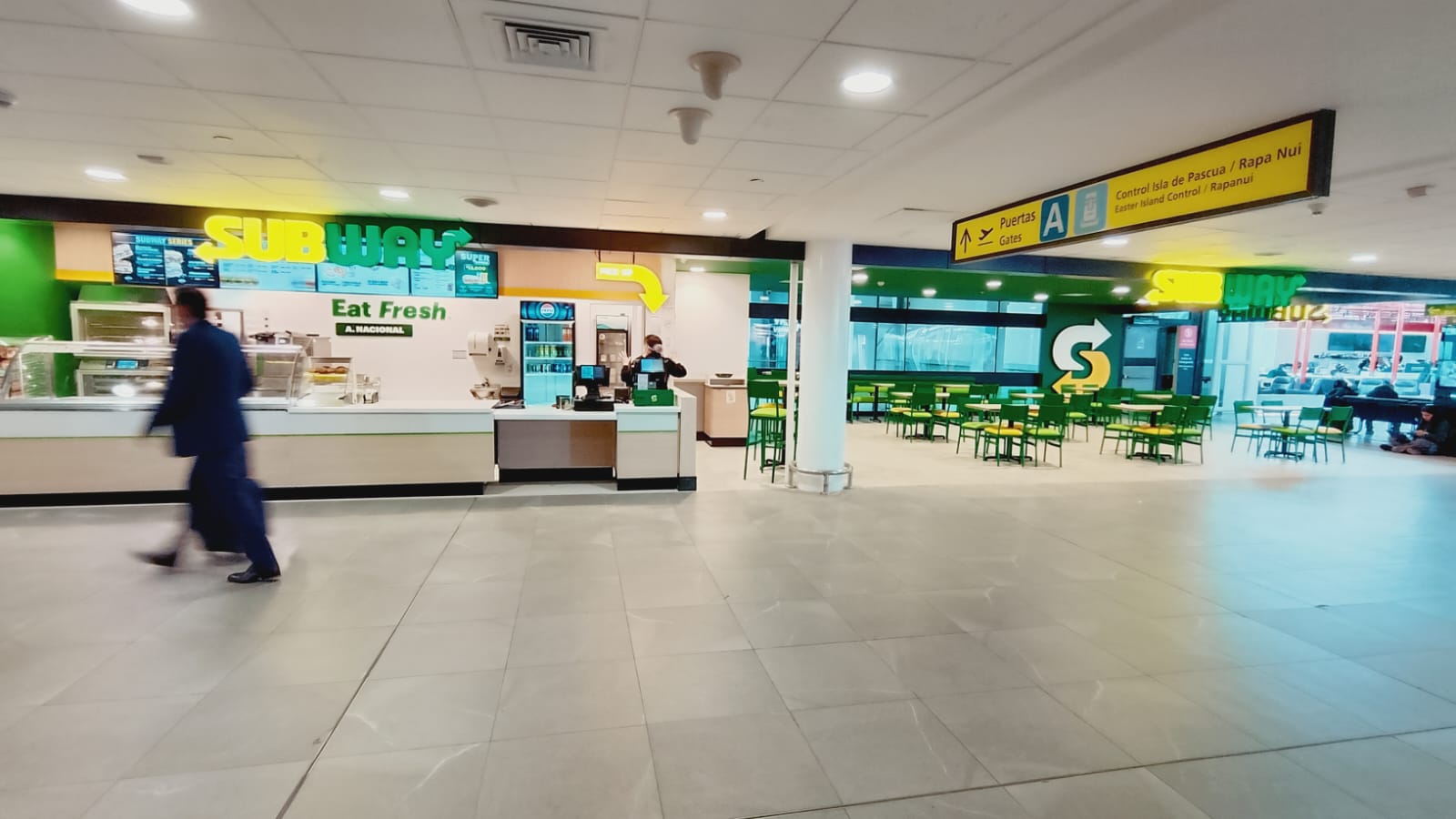
Subway’s new master-franchise agreement for Chile combines two jobs that expansion plans often separate: opening new restaurants and improving an established network. MFCL SPA will take responsibility for more than 200 existing locations, oversee subfranchisees and pursue approximately 50% footprint growth, making governance and refurbishment sequencing as important as site acquisition.
Subway announced the agreement with MFCL SPA on 16 October 2026. The company said the Chilean network already has more than 200 restaurants and that the new master franchisee will grow the footprint by approximately 50%, modernise existing restaurants and support both current and future operators.
The announcement date is clear, but the release does not say when the agreement becomes effective. Subway says remodels are scheduled to begin once it takes effect. It also does not disclose the agreement’s term, investment value, exclusivity, development calendar, franchise fees or restaurant-level economics.
This is a transfer of market-level responsibility
MFCL SPA is not simply receiving a development target. It has been appointed master franchisee for Chile and will be able to grant subfranchises to affiliates and third parties. It will also oversee and support the existing estate.
That distinction matters. A development agreement can focus primarily on finding sites and opening units. A master-franchise structure transfers a broader layer of market stewardship: franchisee recruitment, local support, standards implementation, network development and the commercial relationship between the global brand and local operators.
For Subway, the structure concentrates local accountability in one counterparty. For MFCL SPA, it creates a two-sided responsibility. The company must attract suitable new operators while retaining the confidence of established franchisees whose restaurants predate the agreement. Growth that weakens existing operators would undermine the network it is meant to expand.
The 50% ambition needs a disciplined denominator
Subway describes the planned increase as approximately 50% rather than stating a fixed unit commitment. Applied mechanically to a base of more than 200 restaurants, that points to roughly 100 additional locations. That is an inference, not a disclosed opening obligation, and the eventual number will depend on the base used, closures, relocations and the measurement period.
Investors and operators should therefore avoid translating the headline percentage directly into a guaranteed net opening count. The practical questions are how gross openings, closures and relocations will be measured; whether the target is national or weighted towards specific cities and formats; and what milestones apply if planning, construction or franchisee recruitment moves more slowly than expected.
A healthy development plan should also distinguish white-space opportunity from cannibalisation risk. With more than 200 restaurants already operating, territory planning must account for delivery catchments, travel patterns, mall and high-street economics, drive-thru potential and the sales impact on nearby franchisees.
Operator continuity is a material part of the deal
MFCL SPA is owned by Alejandra Robles and Cristian Solís. Subway says Robles became a franchisee in 2005, Solís joined in 2015 and both later spent more than a decade supporting the Chilean network as development agents.
That history gives the incoming master franchisee local operating knowledge and established relationships. It does not remove the need for formal governance. The transition should define decision rights over site approval, franchisee qualification, capital standards, remodel timing, supplier arrangements, marketing funds, digital systems, audit rights and dispute escalation.
The move from development-agent experience to master-franchise responsibility also changes the capital and risk profile. MFCL SPA will be accountable not only for advising the network but also for delivering development and modernisation outcomes. The release says the owners are ready to invest, but it does not quantify committed capital or explain how refurbishment and new-unit funding will be divided among the master franchisee, affiliates and third-party franchisees.
Modernisation can compete with expansion for capital
Subway says Chile has previously introduced the brand’s Fresh Forward design, a drive-thru format and digital self-order kiosks. The new agreement adds a countrywide modernisation objective alongside restaurant growth.
That creates a capital-allocation challenge. Opening a new site can add coverage and revenue, while remodelling an existing site may protect brand consistency, improve throughput or support digital ordering. Both use management capacity and investment capital. A credible rollout should segment restaurants by condition, lease term, sales potential and required work rather than impose the same timetable on every operator.
Franchisee economics are central. Remodel standards, temporary closure periods, equipment requirements and technology upgrades can materially affect cash flow. Before committing, operators should understand who funds each element, what completion windows apply, whether incentives are available and how the franchisor will treat sites with short remaining lease terms or weaker unit economics.
What brand owners, investors and operators should test
- Effective date and milestones: identify when the agreement becomes operational and how openings, remodels, closures and relocations count towards the growth plan.
- Subfranchise governance: define operator qualification, territory allocation, performance standards and remedies for missed development obligations.
- Existing-franchisee transition: document how support, approvals, fees, marketing and dispute processes change for the current network.
- Capital allocation: separate the budgets for new units, remodels, digital systems and operating support, and test funding capacity under slower sales scenarios.
- Territory evidence: use trade-area data and unit-level economics to manage cannibalisation and select the right format for each location.
- Brand-control mechanisms: preserve consistent food safety, customer experience and design standards while allowing appropriate local execution.
The commercial significance of the agreement is not simply that Subway wants more restaurants in Chile. It is that the brand is placing growth, subfranchising and the modernisation of a sizeable existing estate under one local master franchisee. The outcome will depend on whether MFCL SPA can sequence those responsibilities without sacrificing operator economics or network quality.
Star Brands Consulting Group supports brand owners, master franchisees and investors evaluating territory structures, operator qualification and market-entry execution. Explore our Market Entry Advisory.
Sources
- Subway, Chile master-franchise agreement announcement, 16 October 2026.
- Subway newsroom media asset issued with the announcement, accessed 17 October 2026.

Leave a Reply