
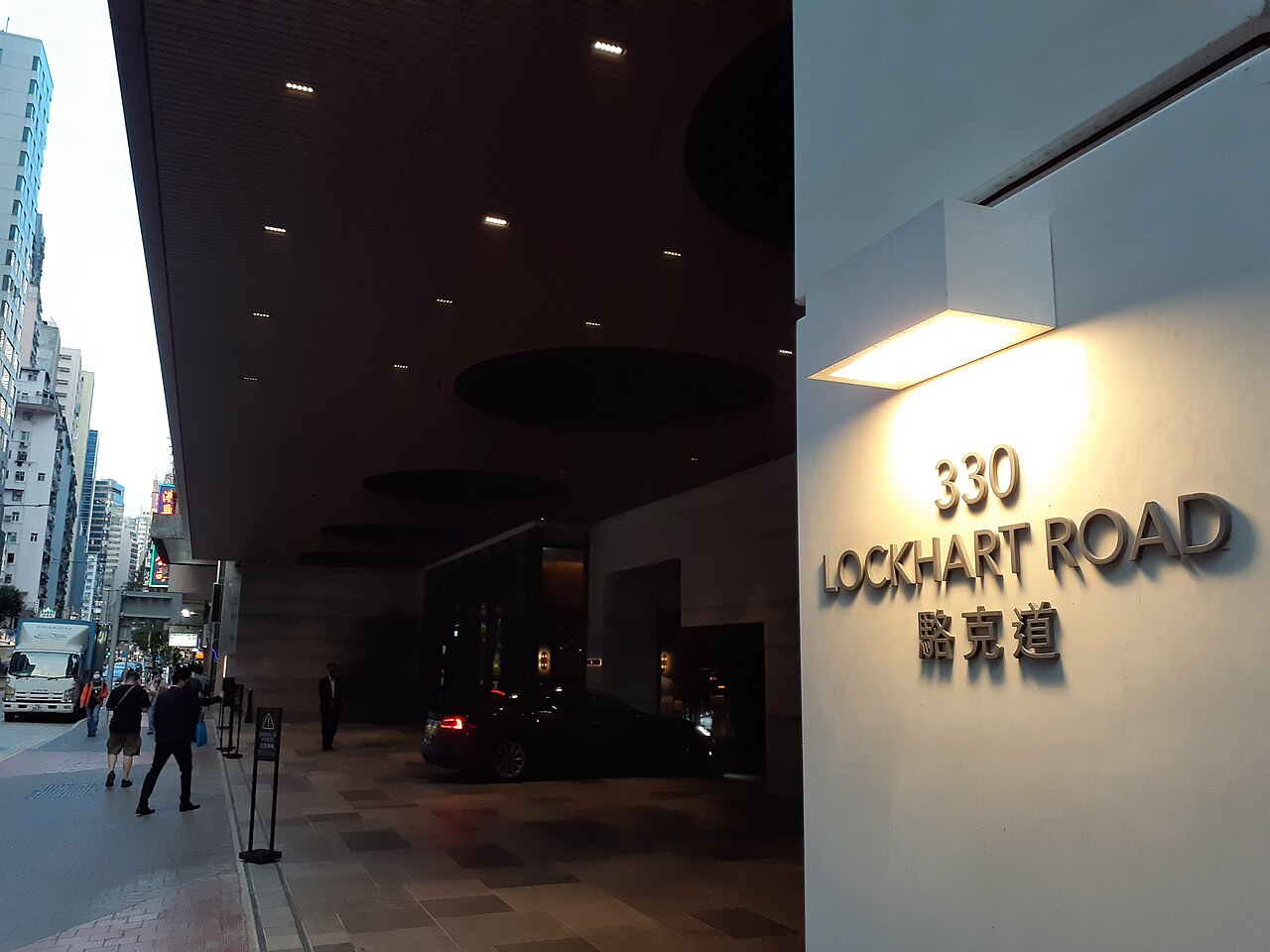

IHG Hotels & Resorts is expanding Vignette Collection across Greater China, adding luxury hotels that retain their own identities while joining a global brand platform. For hotel owners, the move is a useful test of the “soft brand” proposition: can an independent property preserve what makes it distinctive while gaining enough distribution, loyalty and operating support to justify the affiliation?
IHG said on 15 October 2026 that Vignette Collection had welcomed hotels in Chengdu, Chongqing, Shanghai, Beidaihe, Qiandao Lake and Sanya during the year, alongside the recent addition of The Hari Hong Kong. The company’s announcement highlighted a wider set of named properties across the region, including TFT Chongqing, THE ONE Shanghai Downtown, Shanghai Snow World Hotel, Resea Hotel Beidaihe, Palm Springs Hotel Chengdu, The Hari Hong Kong, WM Hotel Hong Kong and The Azure Ningbo.
The commercial proposition is controlled individuality
Traditional hotel flags generally ask owners to buy into a recognisable product promise. Collection brands use a different bargain. The hotel keeps its name, design cues and local story, while the brand supplies a common commercial system and a lighter set of shared standards.
IHG describes Vignette Collection as a family of “one-off” hotels that remain distinct while committing to a concise set of standards. Its Greater China release illustrates how that positioning is meant to work in practice: the Chongqing property uses bridge-inspired design; THE ONE Shanghai Downtown draws on the city’s Art Deco heritage; and Shanghai Snow World Hotel builds its guest ritual around an indoor skiing resort.
This is more than a branding exercise. The model can widen IHG’s luxury inventory without requiring every property to adopt a fully standardised concept. It can also give an established independent hotel a route into IHG’s enterprise platform and IHG One Rewards without erasing the local identity that may already support its rate premium.
Scale is arriving quickly
IHG’s current Vignette Collection brand page lists 38 open hotels with 9,305 rooms and 46 hotels in the pipeline as of 30 June 2026. That dated brand page provides the most current portfolio count published by IHG and is more recent than older boilerplate figures reproduced elsewhere in company materials.
The broader capital logic is equally important. IHG’s February 2026 investor pack described Luxury & Lifestyle as a higher-fee-per-key portfolio with 990 hotels open or in the pipeline, representing 14% of global system size but 22% of the pipeline at the end of 2025. Inference: collection brands are not simply a design trend; they are part of an asset-light route to adding higher-value rooms and fee streams.
China’s operating backdrop raises the hurdle
Affiliation does not remove market risk. H World reported that its mature hotels in China recorded same-hotel revenue per available room of RMB233 in the second quarter of 2026, down 3.0% year on year. Same-hotel average daily rate was broadly flat, while occupancy fell 2.4 percentage points. H World’s estate spans multiple segments and is not directly comparable with Vignette Collection’s luxury hotels, but the result is a useful warning: network growth can continue even while established-property performance remains competitive.
For an owner, the relevant question is therefore not whether a global flag can deliver bookings. It is whether the affiliation produces a durable net revenue gain after brand fees, distribution charges, loyalty costs, required systems and any conversion capital expenditure.
What owners and investors should test
- Incremental demand: measure how much business the brand and loyalty platform adds rather than counting bookings that would have arrived through existing channels.
- Net RevPAR: compare revenue per available room after distribution, loyalty and brand-related costs, not only the headline uplift in occupancy or rate.
- Conversion scope: establish which technology, life-safety, room, food-and-beverage and public-area changes are mandatory before signing.
- Identity protections: document the design, naming, programming and local partnerships that the owner must retain, and where brand approval applies.
- Operating accountability: assign responsibility for revenue management, service standards, data, training and remediation if performance misses plan.
- Exit economics: model termination rights, de-branding costs, system migration and any unamortised capital rather than treating affiliation as easily reversible.
The strategic takeaway
IHG’s Greater China expansion shows why soft brands are attractive to both sides of the hotel market. Brand groups can scale an asset-light luxury network, while owners can access global demand without surrendering every element of a property’s identity.
The strongest agreements will make that balance measurable. Independence should be defined through enforceable design and operating rights; platform value should be tested through contribution, channel mix and net revenue; and conversion spending should be tied to a realistic payback case. A collection label creates the opportunity, but disciplined underwriting determines whether it creates value.
Evaluating a hotel affiliation, conversion or market-entry strategy? Star Brands Consulting Group supports owners and brand partners with commercial assessment and market-entry planning. Explore our Market Entry Advisory.
Sources
- IHG Hotels & Resorts, “Vignette Collection Expands Across Greater China with More One-of-a-Kind Luxury Stays,” 15 October 2026
- IHG Vignette Collection brand page, portfolio figures as at 30 June 2026
- IHG Full Investor Pack, February 2026
- H World Group, second-quarter and interim 2026 results, 17 August 2026
Leave a Reply