
Standfirst: A two-hotel agreement in Sabah does more than add rooms: it introduces IHG franchising in Malaysia and tests whether conversion brands can unlock experienced local owners.
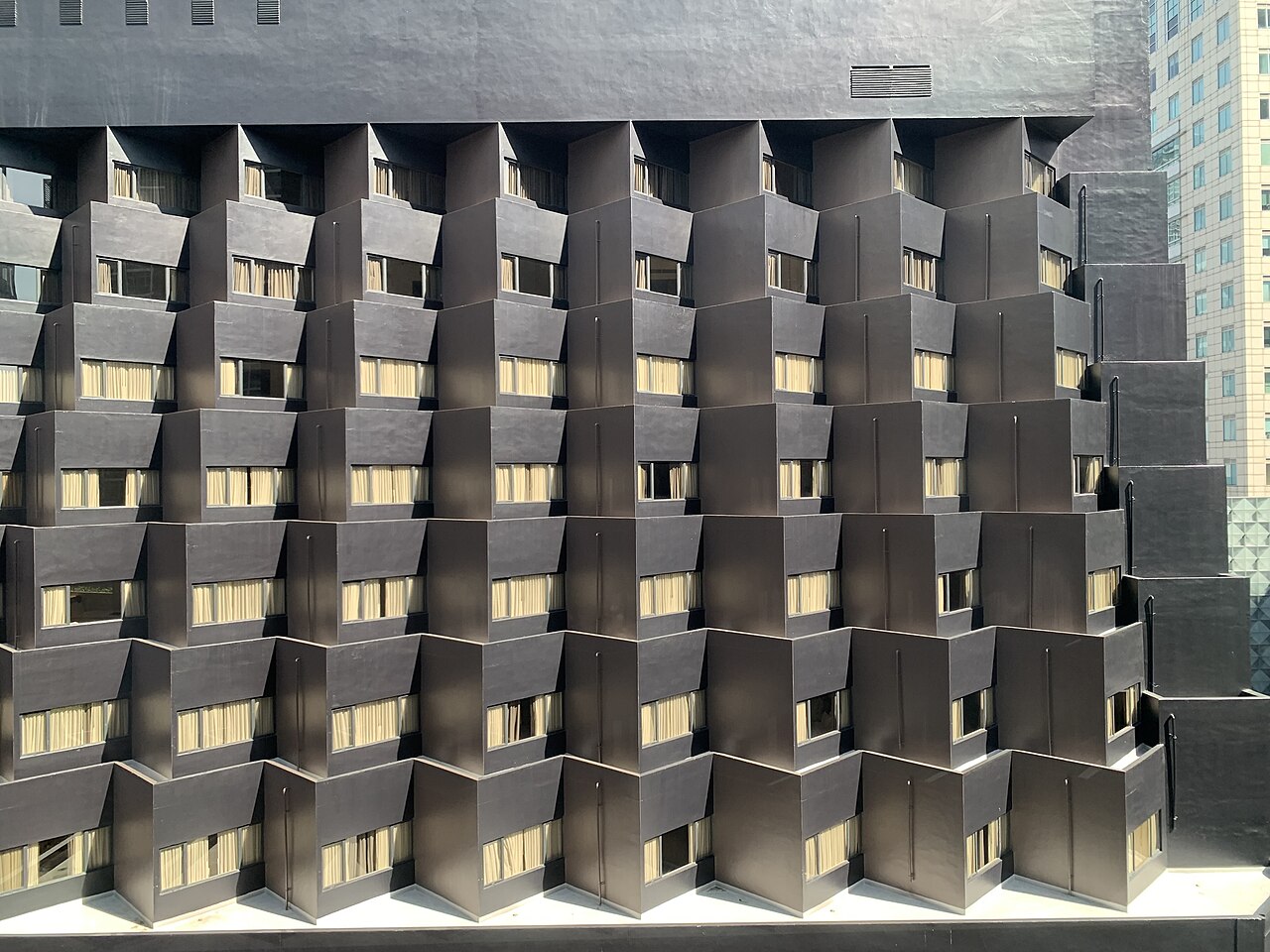
IHG Hotels & Resorts is introducing its franchise operating model in Malaysia through a two-hotel agreement in Sabah, pairing the country debut of its Garner conversion brand with a Holiday Inn Express conversion in Tawau.
The significance is not simply the addition of 342 rooms. The agreement gives IHG a controlled test of a different route to growth in Malaysia: qualifying a local owner to operate within its brand and distribution system, while using existing hotel assets rather than relying only on new construction.
What the agreement covers
IHG announced the agreement on 23 September 2026 with King Park Hotel Sdn. Bhd., a subsidiary of the privately owned Hass Enterprise Sdn. Bhd.
The portfolio has two distinct projects:
- Garner Hotel Kota Kinabalu: the existing King Park Hotel Kota Kinabalu is to be rebranded as a 202-room Garner. IHG says 106 rooms are scheduled to open in 2027, followed by another 96 rooms in 2029.
- Holiday Inn Express Tawau: the existing King Park Hotel Tawau is to undergo an extensive refurbishment and reopen as a 140-room Holiday Inn Express in 2028. It would be IHG’s first hotel in Tawau. King Park described it as the city’s first internationally branded hotel.
IHG said the signings would take its Malaysia portfolio to more than 20 open and pipeline hotels. It did not disclose franchise fees, refurbishment costs, contract duration, expected occupancy, room rates or investment returns.
Why the operating-model change matters
Franchising changes the division of responsibility. The hotel owner carries the property investment and day-to-day operating exposure, while the brand owner supplies standards, systems, distribution and loyalty infrastructure under the franchise contract.
For IHG, that can support capital-light expansion if qualified owners can execute the brand standards. For the owner, the commercial question is whether the brand, reservation system and IHG One Rewards access create enough incremental demand and pricing power to cover conversion expenditure and recurring system costs.
That outcome is not established by the announcement. It will depend on the final property-improvement plans, franchise economics, operating capability and each hotel’s competitive set.
The choice of one owner and two brands is commercially instructive. Rather than entering through a single flagship, IHG is testing its franchise model across two cities and two propositions: a flexible midscale conversion brand in Kota Kinabalu and an established essentials brand in Tawau. The arrangement can reveal where brand standards need local adaptation without fragmenting accountability across several first-time franchisees.
Conversion is the core growth tool
Both projects start with existing hotels. That reduces reliance on ground-up site development, but it does not make conversion simple or cheap.
The owner must align rooms, public areas, technology, procurement, safety processes and service delivery with brand requirements. The timetable also matters. Garner Hotel Kota Kinabalu’s two-stage opening—106 rooms in 2027 and 96 more in 2029—may help phase capital and execution risk, although that is an inference from the schedule rather than a stated rationale.
For brand owners, conversion-friendly standards can widen the addressable owner pool. The trade-off is consistency: flexible design must still produce an experience guests recognise. IHG describes Garner as a conversion-focused, affordable midscale brand and said it had more than 110 open hotels globally at the announcement date.
The demand context is supportive, not conclusive
The market backdrop helps explain the timing, but it does not guarantee hotel-level performance.
On 7 October, the Sabah Chief Minister’s Office reported 2.6 million visitor arrivals in the first eight months of 2026—1.1 million international and 1.5 million domestic—up 4.1% from the comparable period in 2025. The state was then at about 64% of its four-million-visitor target for 2026.
At national level, the Department of Statistics Malaysia reported that tourism generated RM323.0 billion of value added in 2025, equal to 15.9% of Malaysia’s economy. Internal tourism expenditure rose 15.2% to RM236.9 billion, while inbound tourism expenditure increased 16.5% to RM124.8 billion.
Those figures support the broader investment thesis for Malaysian hospitality, but they should not be used as proxies for occupancy, average daily rate or profitability at either proposed hotel. City-level supply, airline capacity, corporate demand, seasonality and the refurbishment programme will be more relevant to underwriting.
What investors and operators should test
The announcement provides strategic direction, not enough information to price the opportunity. Before committing capital to a comparable conversion or franchise arrangement, investors and operators should test:
- The full conversion budget: rooms, public areas, building systems, technology, signage, pre-opening costs and contingency.
- The operating agreement: franchise fees, marketing and reservation charges, term, renewal rights, performance remedies and exit restrictions.
- Property-level demand: realistic occupancy and rate assumptions by segment, not national tourism totals.
- Distribution economics: the expected mix of direct, loyalty, corporate, wholesale and online-travel-agency business—and the cost of each channel.
- Operator readiness: management depth, brand-standard controls, revenue management, staff training and reporting capability.
- Phasing risk: how partial opening affects construction logistics, guest experience, revenue ramp-up and working capital.
- Territory and pipeline exposure: nearby brand additions, area protection and the effect of future internationally branded supply.
The wider lesson for market entry
IHG’s Malaysia move shows how a brand can use conversion, franchising and a portfolio agreement together. Conversion shortens the route to branded supply; franchising transfers more operating responsibility to the owner; and a two-property portfolio creates enough scale to test systems and partner capability across more than one demand profile.
For hotel groups considering a new franchise market, the key decision is not merely which brand to launch. It is whether the first owner has the governance, balance sheet, local operating knowledge and execution capacity to establish a credible reference portfolio.
For owners, the brand name is only one part of the investment case. The contract, conversion scope, distribution contribution and property-level underwriting determine whether the economics work.
Star Brands Consulting Group supports brand owners, investors and operators evaluating market-entry structures, franchise models and partner qualification. Explore our Market Entry Advisory services.
Leave a Reply