
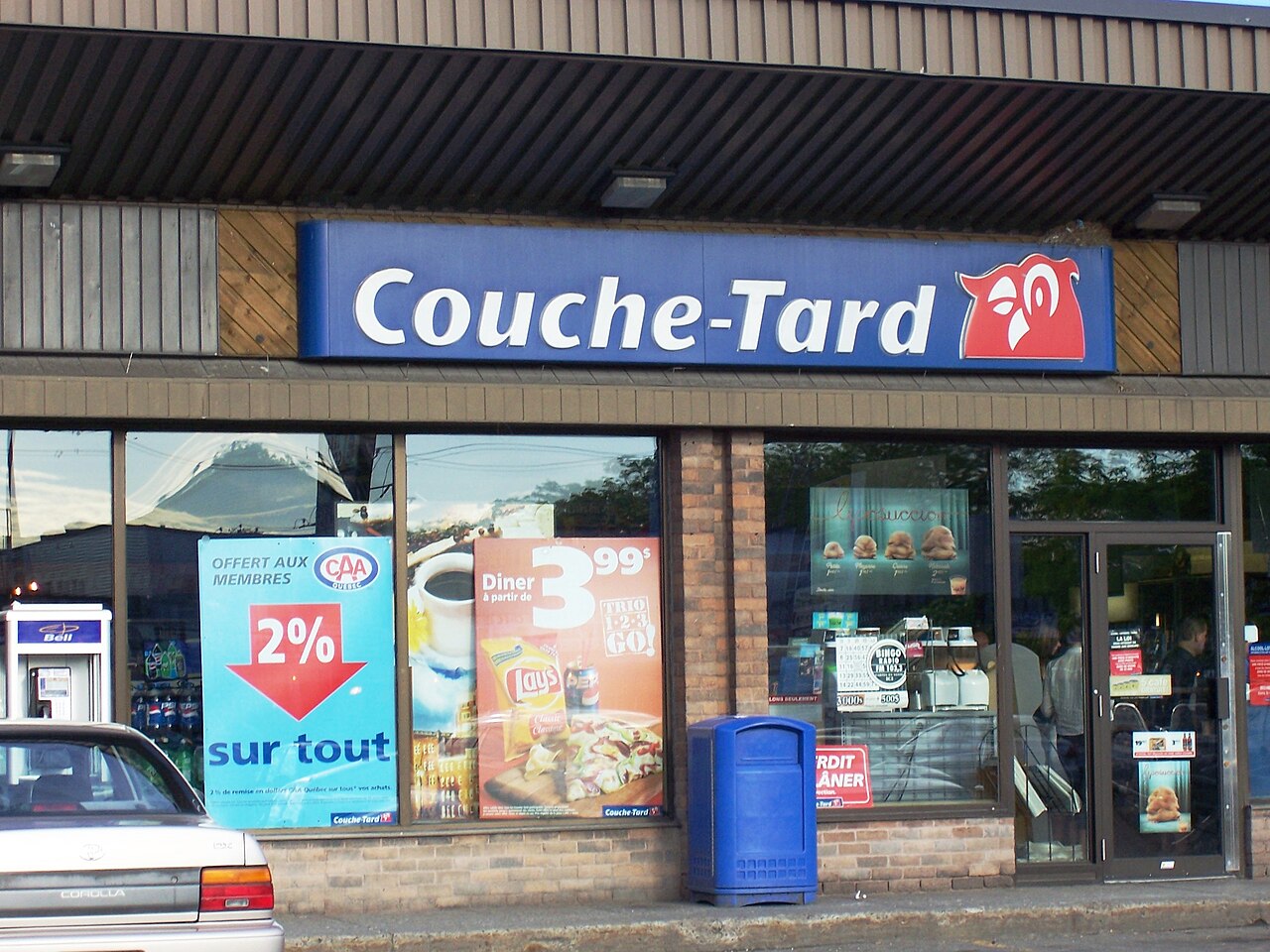

Couche-Tard already runs the stores. Buying the underlying Irving Oil assets shows why ownership, supply rights and fleet access matter beyond the shop floor.
Alimentation Couche-Tard announced on 9 October 2026 that it had signed a definitive agreement to acquire selected Irving Oil retail assets in Québec and Ontario. The announcement is commercially notable because it is not a conventional store-entry deal. Couche-Tard already operates every retail location in the transaction. The proposed acquisition would instead move a wider bundle of assets and commercial rights under the operator’s control.
The transaction is larger than 52 convenience stores
According to Couche-Tard’s announcement, the agreement includes 50 Québec retail sites operated under the parties’ existing alliance and two Couche-Tard-operated sites in Pembroke and Cornwall, Ontario. It also covers fuel supply to 71 Couche-Tard-owned and operated retail sites in Québec.
The package includes 18 cardlock sites: 16 in Québec and two in Ontario. Sixteen are co-located with retail sites in the transaction, while two sit beside locations Couche-Tard already owns and operates. Existing Irving Oil fleet customers are expected to continue receiving service at those locations under a long-term agreement between the companies.
Irving Oil’s parallel statement confirms the same retail and fuel-supply perimeter. Neither company disclosed the purchase price or a target closing date. Completion remains subject to customary conditions and regulatory approvals; Couche-Tard specifically identified review under Canada’s Competition Act.
Why asset ownership matters when operations are already integrated
The immediate customer-facing operation may look familiar because Couche-Tard already runs the 52 stores. The strategic change is beneath that surface. Owning assets can alter who controls capital expenditure, site redevelopment, lease exposure, network optimisation and the timing of format changes.
That does not mean the agreement automatically produces store conversions, lower costs or higher earnings; the companies did not make those claims. It does suggest a shift from a partner-dependent operating structure toward deeper control of the physical network. For operators evaluating acquisitions, this distinction matters: store count alone does not reveal whether a deal transfers property, operating rights, supply economics, customer relationships or some combination of them.
Fuel supply and cardlocks add a second commercial layer
The 71-site fuel-supply component and the 18 cardlocks make the agreement more than a convenience-retail transaction. Cardlocks serve commercial and fleet users through account-based fuelling, often with different traffic patterns and relationship economics from consumer forecourts. Co-location can allow one property to serve retail customers and business fleets, but each format has distinct service, credit, data and infrastructure requirements.
The long-term agreement for existing Irving Oil fleet customers is therefore important. It indicates continuity through a contractual relationship rather than a clean separation. The commercial implication is that acquiring assets does not necessarily eliminate interdependence. A buyer may gain more site control while still relying on a former owner or strategic partner for supply, branding, customer continuity or service commitments.
What investors, operators and brand owners should test
- Map the full deal perimeter. Separate store assets, operating rights, fuel-supply arrangements, cardlock infrastructure and customer obligations. A headline site count can materially understate the network being transferred.
- Distinguish continuity from integration. Familiar operations may reduce transition risk, but ownership still changes capital allocation, maintenance responsibilities and contractual exposure.
- Test concentration and regulatory risk early. A transaction involving an established regional operator can attract competition scrutiny even when the stores are not new to that operator.
- Protect business-customer continuity. Fleet accounts, payment systems, loyalty arrangements and service standards need explicit transition plans. The companies confirmed continued fleet service but did not detail the operating mechanics.
- Avoid assuming a rebrand. No store-conversion plan, loyalty migration or consumer-brand timetable was announced. Those outcomes should not be inferred from the asset purchase.
The wider lesson: control can be layered
Couche-Tard says it operates more than 17,200 stores across 27 countries and territories, with roughly 13,100 offering road-transportation fuel. Against that global footprint, 52 retail sites are not transformational by store count. The deal is strategically useful because it shows how mature networks can be reshaped without a greenfield rollout.
The clearest inference is that the transaction seeks to consolidate control where operational familiarity already exists. Whether that produces stronger returns will depend on the undisclosed price, the final contractual structure, regulatory clearance and post-closing execution. Until those details emerge, the deal should be read as a control-and-infrastructure transaction—not as evidence of guaranteed synergies.
For brands and operators assessing acquisition, partnership or distribution routes, Star Brands Consulting Group’s Market Entry Advisory supports structured review of control, partner dependence, territory fit and execution risk before commitments deepen.
Leave a Reply