
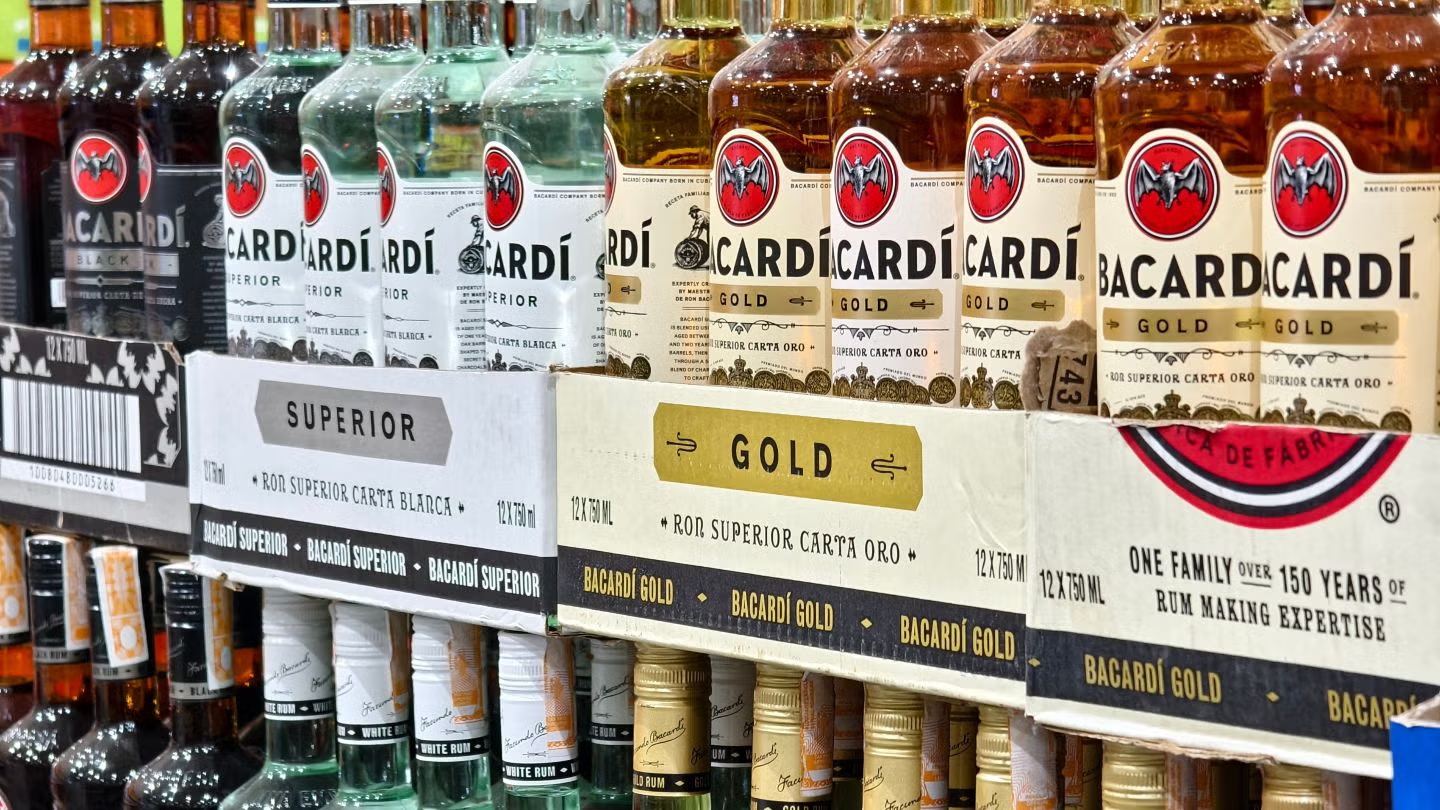
Anora has signed an exclusive Bacardi distribution agreement for Sweden and Norway. The transaction puts territory scope, portfolio integration and cash conversion at the centre of a commercially significant Nordic distribution expansion.
What was signed—and when
Anora’s 5 October 2026 stock-exchange release confirms a final agreement, following a non-binding letter of intent announced on 14 August. The rights cover all channels in both countries, with one explicit exception: ready-to-drink beverages in Norway. The initial term runs through the end of the first quarter of 2031.
The portfolio includes BACARDÍ, BOMBAY SAPPHIRE, MARTINI, PATRÓN and GREY GOOSE, among other brands. This is a distribution appointment, not a sale of the brands or an offer of franchise rights to outside investors.
The sales opportunity is quantified; the profit uplift is not
Anora estimates €25–30 million in annualised net sales from the agreement and up to €5 million in the fourth quarter of 2026. These estimates appeared in the August proposal and were retained in the final announcement. They describe revenue to Anora, not Bacardi’s global sales or distributor profit.
Anora left its 2026 comparable EBITDA guidance unchanged at €74–79 million. It described expected profitability in terms customary for partner agreements, without publishing a deal-specific margin.
Why the territory exception matters
Star Brands analysis: the Norwegian ready-to-drink exclusion illustrates why a distribution mandate must be assessed by product category and channel as well as country. A broad brand portfolio does not necessarily carry identical rights for every format in every market.
For an operator, that boundary affects the sales team’s remit, customer account plans, inventory forecasts and reporting. A commercial plan that treats every Bacardi-branded product as included would misstate the addressable business. The public announcement does not explain the reason for the exception; no regulatory or commercial motive should be assumed.
For brand owners selecting partners, the practical lesson is to map the appointment precisely. Product lists, excluded formats, channel responsibilities and the handling of future launches should be explicit before forecasts become purchasing commitments.
Integration must turn portfolio breadth into contribution
Our commercial assessment focuses on the additional cost of serving the portfolio. An existing distribution platform can spread warehousing, account management and delivery costs over a larger sales base, but that benefit depends on spare capacity and the complexity of the products being added.
The relevant questions are operational: which customer accounts can the current team serve, what stock must be carried, where new staff or systems are required, and how promotions are funded. Revenue that requires disproportionate inventory, handling or trade expenditure can deliver less contribution than its headline value suggests.
Investors should therefore separate recurring sales from launch costs and working-capital requirements. Supplier-payment dates, customer collections, stock ageing and returns determine when accounting revenue becomes cash.
A contract term is a capital-allocation boundary
The stated initial expiry gives an operator a defined horizon for recovering incremental investment. A distribution business should match recruitment, systems and warehouse commitments to the period over which it can reasonably earn contribution, while assessing the actual renewal and termination provisions.
Those provisions are not disclosed in the announcement. The useful investment exercise is to test the business under the agreed initial term, then examine renewal separately. Building the base case around an assumed perpetual relationship can conceal the cost of a future transition.
What this means for market-entry investors
A distribution appointment can provide a route to market without building a new retail estate. The quality of that route depends on the operator’s customer coverage, category capability, stock discipline and financial capacity. The Anora agreement offers a concrete case for evaluating those assets alongside the brand portfolio.
Star Brands Consulting Group supports distribution strategy, operator qualification and market-entry planning. Submit your target territory, product category, operating background and investment brief for a structured commercial assessment.
Sources: Anora’s final agreement announcement, 5 October 2026, and letter-of-intent announcement, 14 August 2026. Commercial implications above are Star Brands analysis, not additional terms disclosed by the companies.
Leave a Reply