
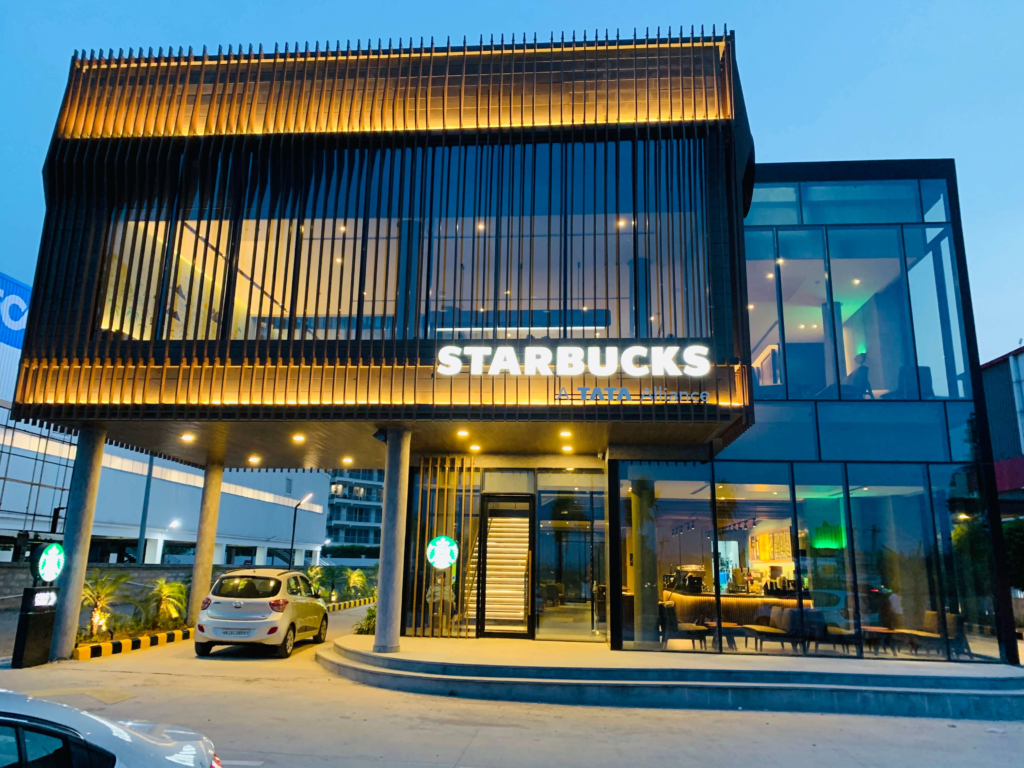
Starbucks is significantly increasing its ambitions in India. Through its joint venture with Tata Consumer Products, the company plans to open between 50 and 100 new stores annually, making India one of Starbucks’ most important growth markets globally. The move comes as the business surpasses 500 stores nationwide and continues expanding beyond major metropolitan centres.
For Starbucks, this is not simply another expansion programme. It is a long-term bet on one of the world’s largest consumer markets.
Why India Has Become a Priority
For years, Starbucks focused its international growth primarily on markets such as China, Japan, and other developed economies. India now represents a different type of opportunity. Despite being home to more than 1.4 billion people, coffee remains a relatively small category compared to tea. That creates substantial room for growth as younger consumers, urban professionals, and rising middle-class households increasingly adopt coffee culture. Starbucks believes the market is still in its early stages. That is exactly what makes it attractive.
The Numbers Behind the Expansion
The scale of the ambition is becoming clearer. The company currently operates more than 500 stores across India and has indicated plans to continue opening 50 to 100 stores every year. Management has previously outlined a target of reaching approximately 1,000 stores by 2028, effectively doubling its footprint within a few years. For comparison, Starbucks spent more than a decade building its first few hundred stores in the country. The next few hundred are expected to arrive much faster.
Expansion Beyond Major Cities
One of the most important aspects of Starbucks’ India strategy is that growth is no longer limited to Mumbai, Delhi, Bengaluru, and other major metropolitan areas. The company is increasingly targeting:
- Tier 2 cities
- Tier 3 cities
- highway locations
- airports
- drive-through formats
- smaller retail footprints
This reflects a broader shift occurring across India’s consumer economy.
Growth is increasingly coming from emerging urban centres rather than traditional gateway cities.
More Than a Coffee Business
Starbucks’ strategy in India goes beyond selling beverages.
The company has been investing in:
- premium Reserve locations
- experiential store formats
- digital ordering
- loyalty programmes
- locally adapted menu offerings
The objective is to position Starbucks as both a beverage brand and a lifestyle destination.
That approach has helped differentiate the business in an increasingly competitive market.
Competition Is Intensifying
India’s coffee sector is becoming more crowded. Local and international competitors are investing aggressively, including:
- Costa Coffee
- Tim Hortons
- Blue Tokai
- Third Wave Coffee
However, Starbucks continues to maintain a significant share of India’s organised coffee market while leveraging the strength of the Tata partnership.
Why This Expansion Matters
The announcement highlights several important trends.
India Is Becoming a Core Starbucks Growth Market
While mature markets face slower growth, India continues to offer significant room for expansion.
Coffee Consumption Is Increasing
Although tea remains dominant, coffee is gaining popularity among younger consumers and professionals.
Store Growth Remains Central
Unlike many retailers reducing physical footprints, Starbucks continues to invest heavily in new locations.
Local Partnerships Matter
The Starbucks-Tata joint venture demonstrates how international brands often achieve scale through strong local partners rather than direct market entry alone.
What Investors and Operators Should Watch
Several questions will shape Starbucks’ next phase of growth in India:
- Can the company sustain 50–100 store openings annually?
- How quickly will Tier 2 and Tier 3 cities adopt premium coffee concepts?
- Will Starbucks achieve profitability at scale while maintaining rapid expansion?
- How aggressively will competitors respond?
- Could India eventually become one of Starbucks’ largest markets globally?
The answers will determine how large Starbucks’ Indian business ultimately becomes.
Strategic Assessment
Starbucks’ latest expansion plans demonstrate growing confidence in India’s long-term potential. The company is moving beyond market entry and into large-scale network development. With more than 500 stores already operating, plans for up to 100 new locations annually, and a growing presence in emerging cities, Starbucks is positioning India as one of the most important growth engines within its global portfolio. For international retailers, it is another reminder that the next decade of growth may come less from mature markets and more from large, rapidly evolving consumer economies.
Where Star Brands Consulting Group Fits In
Major international expansion programmes are rarely driven by store openings alone. Successful growth requires:
- market intelligence
- location strategy
- consumer demand analysis
- local partnership structures
- long-term expansion planning
At Star Brands Consulting Group, we help investors, operators, and growth-focused businesses understand how leading international brands identify growth markets and structure expansion for long-term success.
Leave a Reply