Global expansion is often presented as a simple story.
A successful brand identifies a new market, opens stores, and grows.
The reality is usually far more complex.
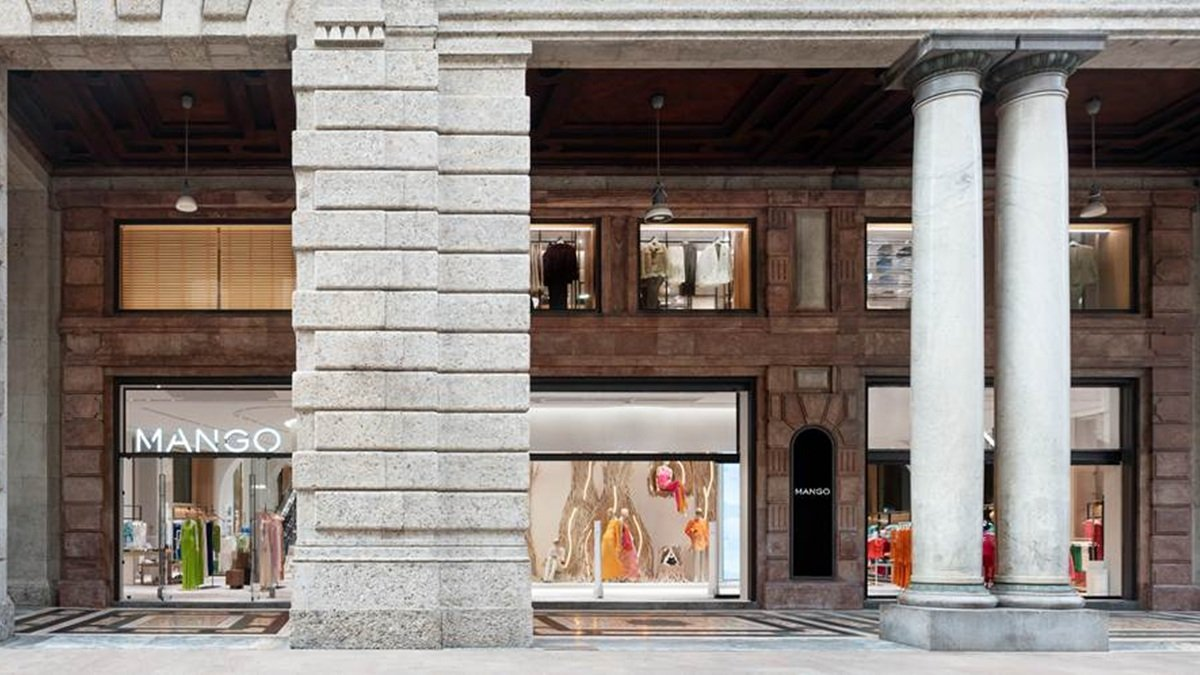
The latest move by Mango in Italy is a good example of how some of the world’s most successful retailers continue to rely on local partnerships to accelerate growth while reducing execution risk.
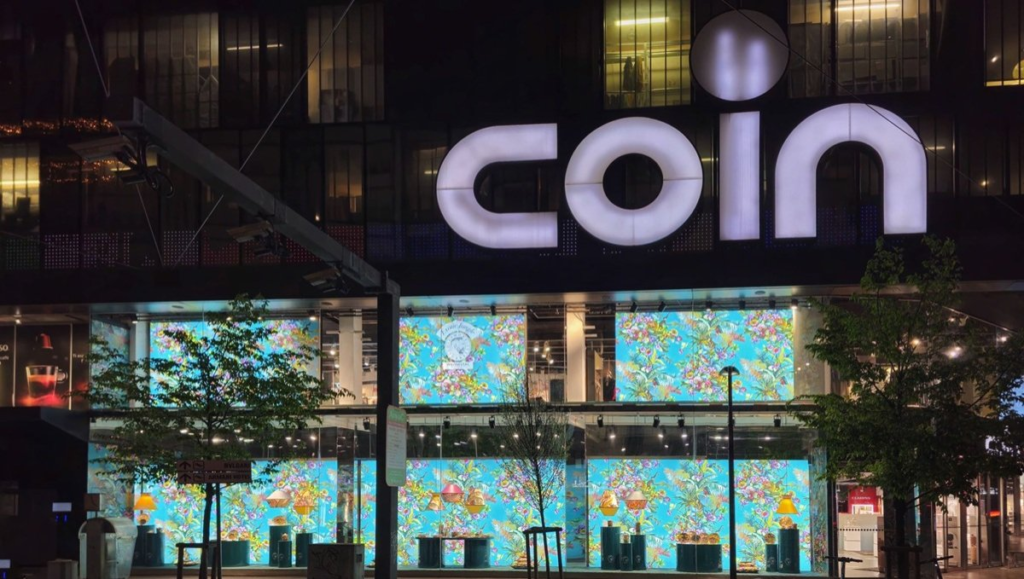
The Spanish fashion group has signed a strategic agreement with Italian department store operator Coin to open more than 20 new Mango locations across Italy by the end of 2027. The first openings are expected in cities including Rome, Bari, Catania, and other key Italian markets.
At first glance, it looks like another store expansion announcement.
It is much more significant than that.
Why Italy Matters
Italy is not a new market for Mango.
The company has operated in the country for more than two decades and has already built a substantial presence.
In recent years, Mango has continued investing heavily in Italy, expanding its footprint across major cities while renovating stores under its New Med retail concept. Italy has consistently remained one of the company’s most important international fashion markets.
That makes this latest agreement particularly interesting.
This is not market entry.
This is market acceleration.
The Coin Partnership Is the Real Story
The most important part of this announcement is not the number of stores.
It is the structure.
Rather than relying exclusively on standalone expansion, Mango is leveraging Coin’s established retail infrastructure and market presence.
This gives Mango access to:
- Prime retail locations
- Existing customer traffic
- Local operating expertise
- Faster rollout capability
- Reduced market execution risk
For Coin, the partnership strengthens its fashion offering and increases footfall within its stores.
For Mango, it creates a scalable growth platform.
Both sides win.
A Pattern We Are Seeing Across Global Retail
This move fits into a broader trend that has become increasingly common among international brands.
The traditional expansion model looked like this:
- Enter market
- Lease stores
- Build infrastructure
- Scale gradually
Today’s model is often different.
Brands increasingly use:
- Franchise partnerships
- Department store partnerships
- Shop-in-shop agreements
- Licensing arrangements
- Joint ventures
- Strategic operators
The objective is not simply opening more stores.
The objective is expanding faster while preserving capital and reducing risk.
Mango’s Growth Engine Is Running at Full Speed
The Italy announcement comes as Mango continues one of the most aggressive international expansion programmes in the fashion industry.
The company generated approximately €3.8 billion in revenue in 2025, opened more than 260 locations during the year, and now operates through more than 2,900 points of sale across more than 120 markets worldwide.
This is not the behaviour of a retailer defending market share.
It is the behaviour of a company actively pursuing international scale.
What is particularly notable is that Mango is not relying on a single growth model.
Depending on the market, the company uses:
- Company-owned stores
- Franchise operations
- Retail partnerships
- Department store collaborations
- E-commerce expansion
That flexibility is becoming a competitive advantage.
What Investors Should Pay Attention To
Many investors focus on store numbers.
The more important question is often:
How is the company opening those stores?
Twenty stores opened through a strong local partnership may create more value than twenty stores opened independently.
The reason is simple.
Local partners bring:
- Market knowledge
- Real estate relationships
- Consumer understanding
- Operational infrastructure
All of which can improve the probability of success.
What Brand Owners Should Learn
One of the biggest mistakes founders make is assuming that expansion requires doing everything themselves.
The strongest international brands increasingly focus on:
- Controlling the brand
- Protecting customer experience
- Maintaining product standards
While allowing local partners to help execute growth.
That is exactly what appears to be happening here.
Mango is not giving up control.
It is leveraging capability.
There is a difference.
The Star Brands Perspective
At Star Brands Consulting Group, we often tell clients that successful expansion is rarely about finding a market.
It is about finding the right structure for that market.
The same brand may enter:
- One country through franchising
- Another through licensing
- Another through a joint venture
- Another through a strategic retail partnership
There is no universal formula.
The structure must fit the opportunity.
The Mango-Coin agreement is a strong example of that principle in practice.
Final Thoughts
The most important takeaway from this announcement is not that Mango plans to open twenty stores.
It is how those stores are being opened.
Global expansion is becoming less about ownership and more about execution.
The brands winning today are not necessarily those opening the most locations.
They are the ones choosing the most effective path into each market.
Mango’s latest move in Italy suggests the company understands that well.
Leave a Reply