
Overview
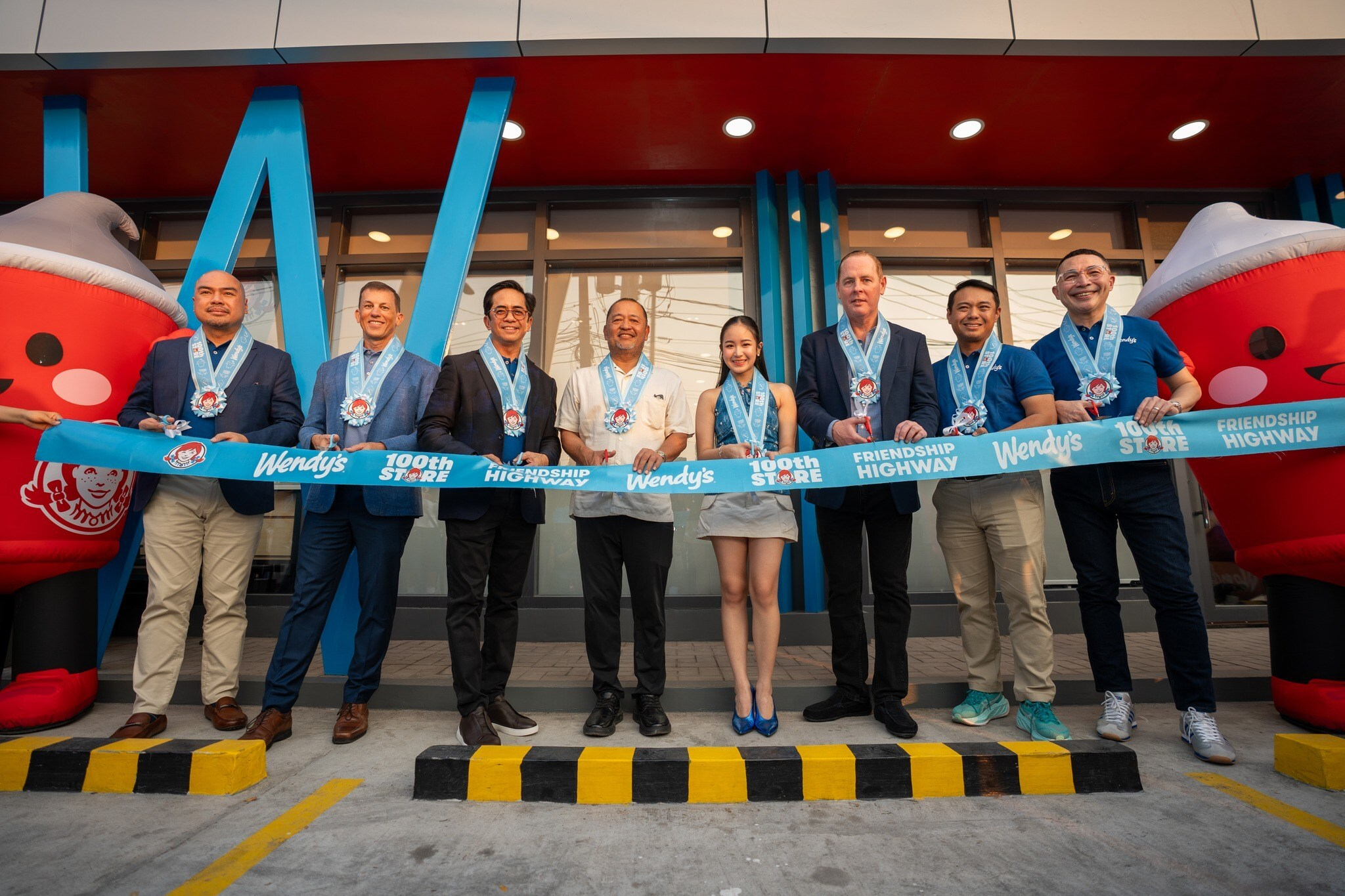
Wendy’s has reached 100 restaurants in the Philippines, marking a significant milestone in its Southeast Asian expansion.
The company is now targeting:
- 200 stores by 2030
- continued growth through franchise-led expansion in the region
This is a measured, multi-year rollout, not a short-term surge.
What This Expansion Actually Represents
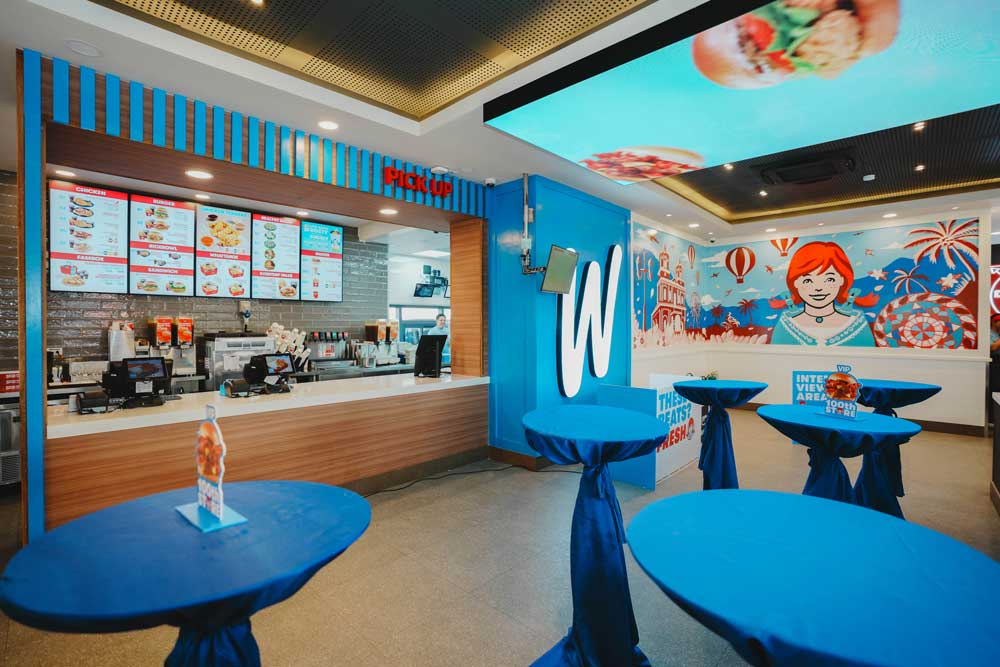
This milestone is not just about store count.
It reflects:
- sustained demand in the Philippine QSR market
- strong local execution by franchise partners
- a long-term commitment to Southeast Asia as a growth region
The Philippines has historically been one of Wendy’s earliest Asian markets, dating back to the 1980s
The Real Expansion Structure
Wendy’s does not operate all stores directly.
The model in markets like the Philippines is:
- franchise-led expansion
- supported by:
- local operators
- regional infrastructure
- brand oversight from headquarters
This is critical.
👉 Growth is driven by local partners, not corporate rollout alone
Why the Philippines Matters
The Philippines continues to attract global QSR brands because of:
- a large, urbanising population
- strong fast-food culture
- established acceptance of international brands
For Wendy’s, it represents:
👉 a scalable, repeatable market model for expansion in Asia
Growth Strategy Going Forward
The target of 200 stores by 2030 suggests:
1. Controlled Scaling
- steady increase in store count
- focus on operational consistency
2. Franchise Partner Expansion
- existing operators likely to scale further
- potential onboarding of additional partners
3. Market Consolidation
- strengthening presence in key urban centres
- increasing brand visibility and accessibility
What This Signals (Important)
This move highlights three key points:
1. Wendy’s is still in expansion mode internationally
Despite being a mature brand, growth is coming from international markets
2. Franchise systems remain central
Unlike fully controlled brands:
👉 Wendy’s continues to scale through franchise partners
3. Market entry happens early, scaling happens later
The Philippines was entered decades ago —
this growth is long-term execution, not new entry
Strategic Positioning
Compared to other brands:
- IKEA → controlled, capital-led expansion
- Alo Yoga → closed, brand-led expansion
- Lawson → partner-led, market-level entry
- Wendy’s → franchise-led, multi-unit scaling
Practical Implications
For investors and operators:
- opportunities exist primarily through:
- existing franchise networks
- or approved partner structures
- entry is:
- market-specific
- relationship-driven
- not universally open
Advisory Context
Understanding expansion like this requires clarity on:
- who controls the market
- whether new partners are being considered
- what structure is being used (franchise, JV, licensing)
Star Brands Consulting Group supports:
- assessment of real market access
- identification of active expansion opportunities
- structuring of franchise and partnership entry pathways
Because by the time growth becomes visible:
👉 access is often already positioned
Conclusion
Wendy’s reaching 100 stores in the Philippines is a milestone of execution, not entry.
The next phase — scaling to 200 stores — will be:
- franchise-driven
- partner-led
- and tightly structured
The opportunity exists.
But it sits within:
- existing systems
- defined markets
- and approved operators
Leave a Reply