
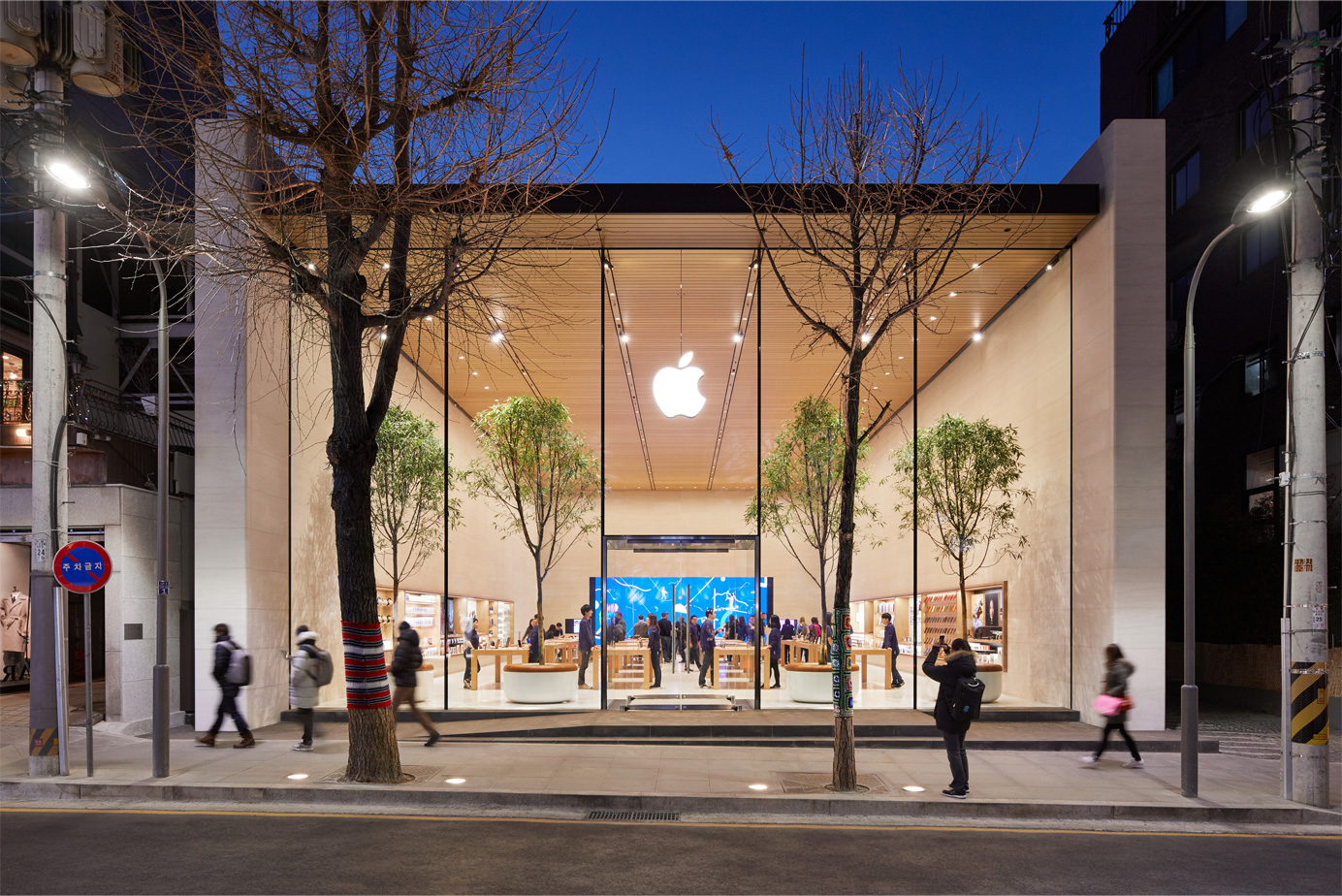
The investable Apple retail route is an authorised channel business: a reseller, a specialist business supplier or an authorised service provider, depending on the market and programme. An Apple-owned retail store is a different business. Choosing the correct authorisation is the first commercial decision, because it defines what you can sell, service and advertise.
Updated 7 October 2026. This restored archive guide includes subsequently published financial information.
Apple’s scale and the channel opportunity
Apple’s 30 October 2025 results announcement reported approximately US$416 billion in fiscal 2025 revenue, including US$102.5 billion in the quarter ended 27 September 2025. These are company-wide figures, not reseller margins or store-sales forecasts.
Apple’s shopping guidance distinguishes its own retail stores from authorised resellers. The practical investment question is therefore which channel appointment fits your customers, territory and operating capability.
Three different business propositions
| Route | Commercial purpose | Critical distinction |
|---|---|---|
| Authorised reseller | Sell approved Apple products through an authorised retail or business channel | Appointment and branding permissions are programme-specific |
| Business or education supplier | Serve organisations with procurement and deployment needs | Customer access and technical capability matter alongside product supply |
| Apple Authorized Service Provider | Perform eligible service and repair work | Service authorisation is separate from retail-reseller status |
Apple’s Authorized Service Provider programme describes business, premises and technician requirements. Repair capability should be budgeted and qualified separately; selling devices does not automatically authorise warranty repair.
Regional intake also differs. Apple’s Latin America and Caribbean channel notice states that new reseller and service-provider applications are not currently being accepted through that regional route. That notice should not be presented as a worldwide rule.
Apple reseller investment: fund inventory as well as the shop
The official sources cited here do not publish a universal Apple Store franchise price or worldwide reseller fee. A proper budget is built around the actual programme, premises and supply arrangement.
The capital requirement includes fit-out, demonstration devices, security, systems, opening inventory, staffing and working capital. Where a service operation is proposed, add technical equipment, training, approved processes and the relevant authorisation requirements.
Inventory funding is central. The business must carry the appropriate device and accessory mix while managing product launches, price changes and ageing stock. A showroom with too little stock loses sales; excessive stock in the wrong configuration absorbs cash and increases markdown exposure.
Where the reseller makes its commercial case
Our investment analysis separates device gross profit from other approved revenue streams. Accessories, setup, deployment and customer support should each have their own demand and cost assumptions. They should not be added to a forecast merely to compensate for an unverified hardware margin.
For a business-focused operation, examine procurement cycles, credit terms and customer concentration. Winning a large order creates a working-capital requirement before it creates cash. Match supplier-payment dates to customer collections and fund the gap explicitly.
For consumer retail, test sales conversion, average transaction value, stock turn, fraud controls and staffing productivity. A recognised logo does not eliminate local competition or justify an uneconomic lease.
Authorisation and branding must match the agreement
Apple’s trademark guidance governs third-party brand use. An independent business must not present itself as an Apple-owned store or assume that purchasing genuine products confers authorised-reseller status.
The investment dossier should identify the legal entity, funding capacity, retail or technology experience, proposed sites, target customers and after-sales arrangements. It should also specify the requested status: reseller, business channel, service provider or a combination requiring separate approvals.
Build your Apple channel proposal with Star Brands
Star Brands Consulting Group helps investors define the channel model, assess local demand, build the capital plan and prepare an operator dossier. We explore appropriate regional and industry relationships around a clearly defined commercial proposition.
Submit your country, target customer segment, capital range and technology-retail experience. Include your proposed premises and any existing business or education customer base. Our work prepares the business case and engagement route; Apple and its authorised channel counterparties determine the appointment and permissions.
Leave a Reply