

Updated 8 October 2026. Original publication date retained.
Sushi Mentai’s official franchise page currently states that applications are closed until further notice. Investors should not treat online franchise listings as an available offer or pay for supposed rights without confirmation from the brand.
Is Sushi Mentai accepting franchise applications?
The brand’s franchise page, checked on 8 October 2026, says: “Our franchise is closed until further notice.” It does not publish a reopening date, current investment package or available-territory list.
This is the relevant application status for a new enquiry. An existing restaurant network does not mean new appointments are being made. Industry relationships can support a properly authorised commercial discussion, but cannot replace the brand’s approval or establish rights that have not been granted.
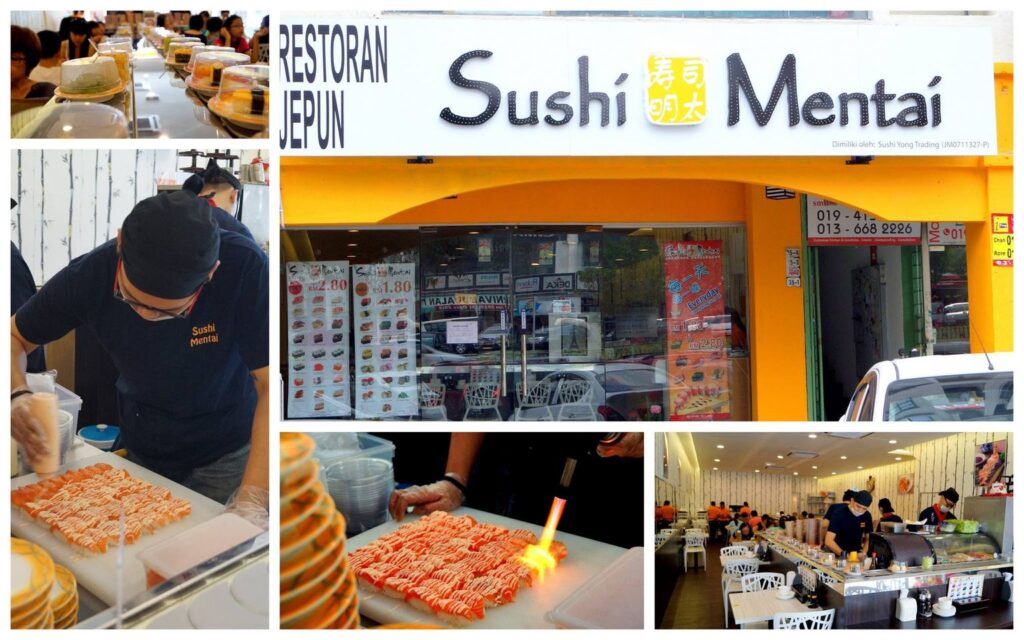
The Sushi Mentai restaurant proposition
Sushi Mentai positions its restaurants around affordable Japanese dining and conveyor-belt sushi. Its official website advertises sushi plates at RM1.80 and RM2.80. These are published menu price points, not franchise fees, margin figures or a promise about every product and outlet.
Low ticket prices put pressure on purchasing, preparation efficiency, product freshness and repeat order volume. A restaurant can have a busy dining room and still generate weak cash flow if wastage, labour or rent absorbs the contribution from each customer.

What does a Sushi Mentai franchise cost?
No current brand-issued fee schedule or total investment range was verified in the official materials reviewed. Publishing an unsupported amount would confuse a general restaurant budget with an approved Sushi Mentai franchise offer.
For investment planning, cost the premises, kitchen, conveyor system, refrigeration, extraction, food-safety controls, furniture and opening inventory separately. Add recruitment, training, permits, lease deposits and operating cash. These are project cost categories, not a quotation from Sushi Mentai.
Assess conveyor-belt restaurant economics
- Demand and capacity: estimate covers by daypart, average spend and table utilisation; observe nearby competitors rather than relying only on mall footfall.
- Food production: model preparation batches, safe holding times, replenishment and unsold plate disposal.
- Supply: verify seafood and ingredient specifications, cold-chain integrity, delivery frequency and contingency suppliers.
- Labour and maintenance: price kitchen supervision, service staff, refrigeration and conveyor downtime.
Calculate break-even using contribution after food, packaging and variable selling costs. Test what happens if average spend falls or food waste increases. A larger seating capacity is useful only when demand and production can support it.
What investors can do now
Keep the brand’s official page as the reference for any change in recruitment status. Meanwhile, prepare a funding plan, operating-team profile and location analysis that can also be used to compare other Japanese dining concepts with confirmed application routes.
For a different restaurant model, our IHOP and Original Pancake House comparison shows how to separate financial qualification from total development cost.
Star Brands Consulting Group provides independent restaurant feasibility, operator qualification and market-entry advisory. Submit your country, capital and restaurant experience through Private Advisory. We can assess the project and available alternatives; this page is not an offer of Sushi Mentai rights.
Leave a Reply