
Overview
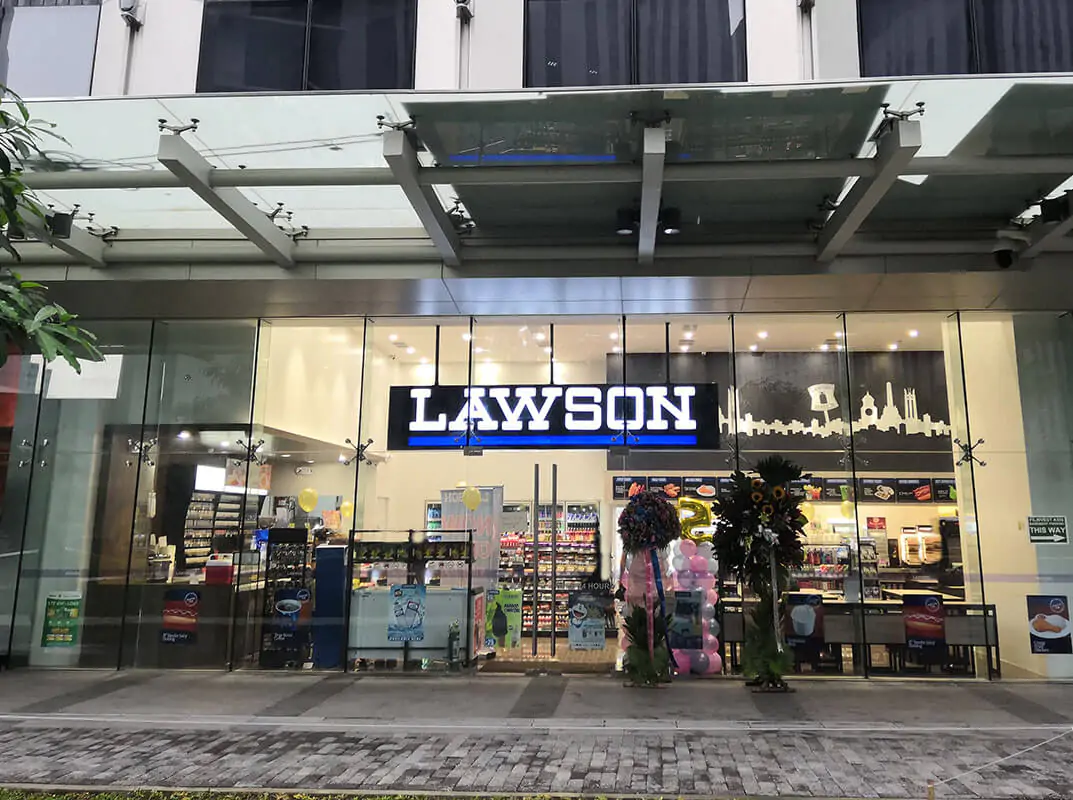
Lawson is a leading convenience retail operator originating from Japan, with 18,000+ stores across Japan and selected Asian markets.
The business operates on a franchise-led model domestically, supported by centralized logistics, procurement, and store systems. Internationally, expansion is controlled and partner-driven, not broadly accessible.
Franchise Model
Lawson’s structure is closer to an operating partnership than a traditional passive franchise.
Head Office Responsibilities:
- Brand and store format standards
- Supply chain and distribution systems
- Product sourcing and merchandising
- Operational systems and controls
Operator Responsibilities:
- Capital investment
- Store-level operations
- Staffing and management
- Local execution
Commercial terms typically involve profit-sharing or revenue-linked structures, depending on market and agreement type.
Investment Profile
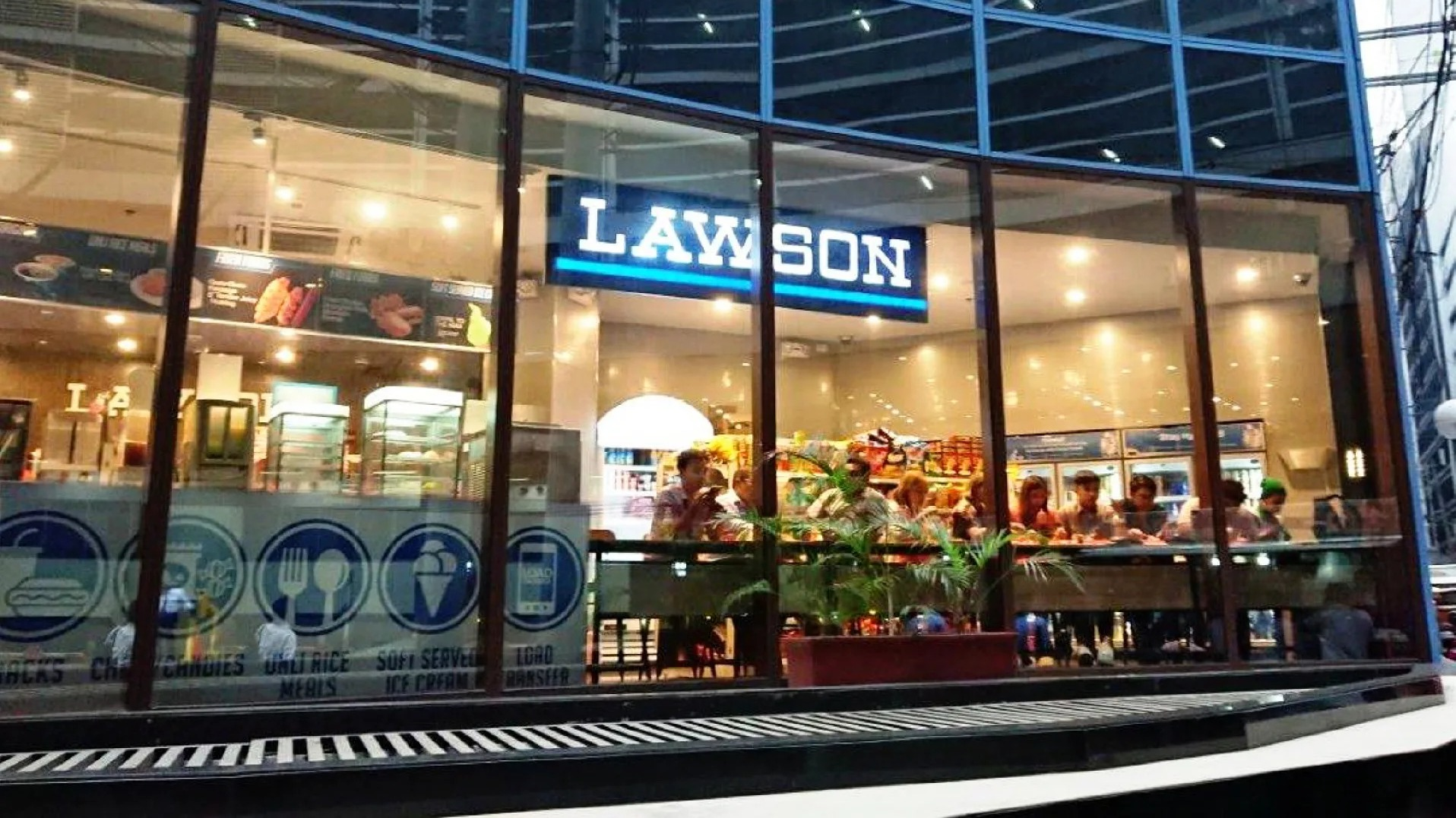
There is no universal global cost structure. However, entry typically requires:
- Full store development and fit-out
- Initial inventory and opening stock
- Adequate working capital
- Ongoing operational funding capacity
In Japan, structured entry pathways exist for individual operators. Outside Japan, expectations shift toward multi-unit or market-level capability, increasing capital requirements significantly.
Operating Requirements
Lawson is a high-frequency retail model with strict operational expectations:
- Extended operating hours (often 24/7)
- Continuous inventory turnover and replenishment
- Tight adherence to operational standards
- Active, hands-on management
This is not suited to passive ownership structures.
Market Access
Market access is the primary constraint.
Domestic (Japan)
- Defined franchise pathways for qualified operators
- Structured onboarding and operational support
International Markets
Expansion is typically executed through:
- Joint ventures
- Master franchise agreements
- Strategic corporate partnerships
Single-unit entry is generally not available outside core markets.
Territorial Structure
In most operating regions:
- Market rights are already allocated
- Expansion is managed by existing partners
- New entrants are considered only at strategic or scale level
Strategic Positioning
Lawson sits within a controlled franchise category:
- Franchising exists
- Access is selective and structured
- Expansion is market-driven, not application-driven
Practical Implications
Prospective operators should evaluate:
- Market availability (open vs controlled territories)
- Entry structure (franchise, JV, master license)
- Scale expectations (single unit vs multi-unit vs territory)
For most international investors, entry requires alignment at partner or market level, not store level.
Advisory Context
Star Brands Consulting Group supports investors and operators in:
- Assessing territorial availability and control
- Understanding entry structures and feasibility
- Structuring franchise, licensing, or partnership access
- Aligning capital with realistic expansion opportunities
Conclusion
Lawson is a proven, franchise-led retail system with strong operational discipline.
However:
- Access is not globally open
- Entry is selective and scale-dependent
- International expansion is partner-led
A viable approach requires market intelligence, operational capability, and structured positioning.
Leave a Reply