
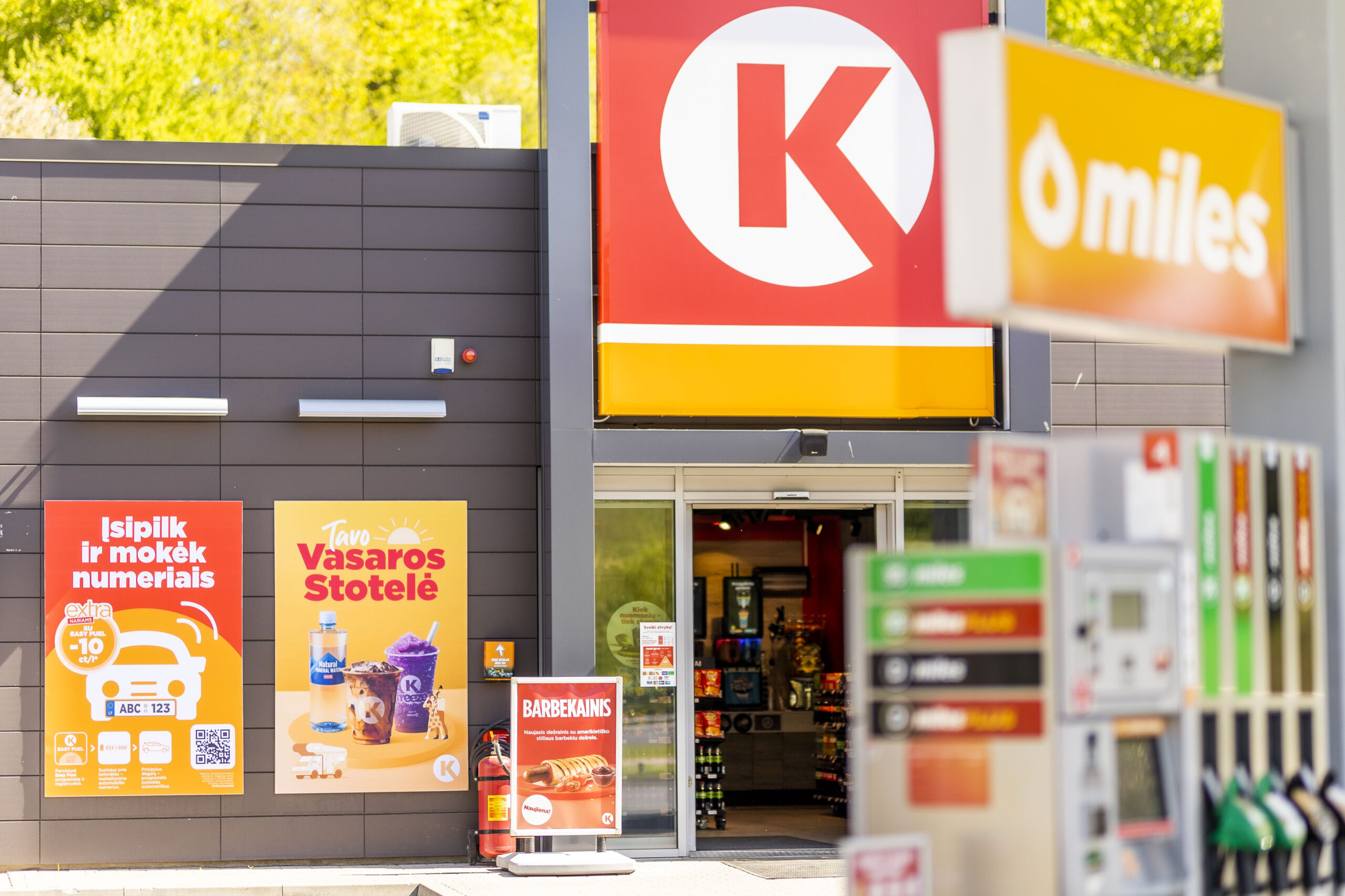
Circle K is making a fairly quiet move in Northern Europe — but it’s one that says a lot about where the convenience retail space is heading.
The company is upgrading coffee across its Baltic network, rolling out new machines in around 260 locations across Lithuania, Latvia, and Estonia.
On paper, it’s an equipment upgrade.
In reality, it’s something more strategic.
Coffee Is No Longer an Add-On
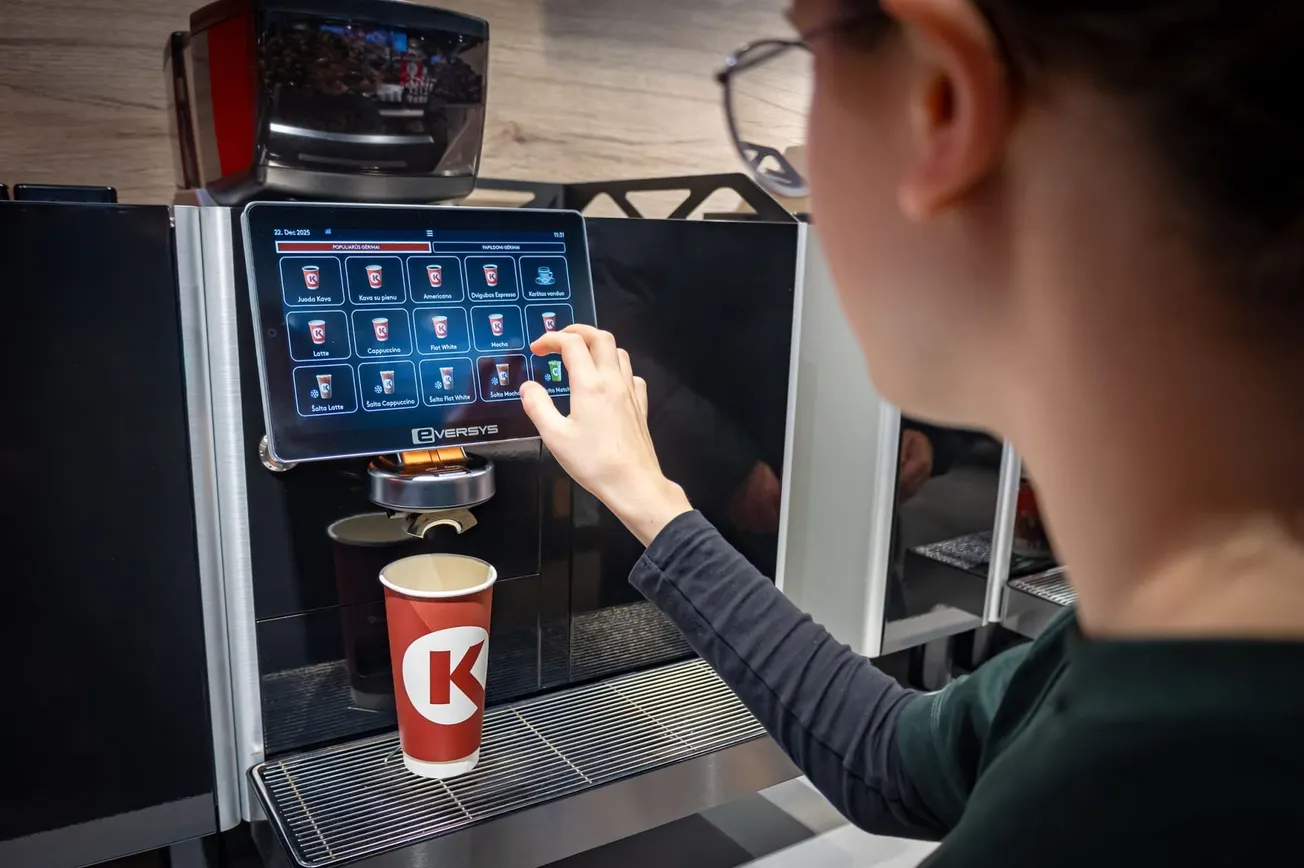
For a long time, coffee in convenience stores was exactly what you’d expect — quick, cheap, and functional.
That’s changing.
Circle K’s latest push is part of a broader shift where coffee is becoming one of the main reasons people walk into a store in the first place, not just something they grab on the side.
If the quality is right, it turns a fuel stop into a daily habit.
And that’s where the real value is.
Why the Baltics?
It might seem like a niche region, but the Baltics are actually a pretty interesting test ground.
Consumers there are becoming more quality-conscious, especially when it comes to everyday purchases like coffee. At the same time, the market isn’t as saturated as some parts of Western Europe.
That combination — growing expectations without heavy competition — makes it easier to test upgrades like this at scale.
If it works, it’s not hard to imagine the same model rolling out elsewhere.
Competing With More Than Just Other Convenience Stores
What’s really happening here is that convenience stores are no longer just competing with each other.
They’re competing with cafés.
And in some cases, they’re starting to close the gap.
If you can get a decent, consistent coffee without leaving your route — whether you’re commuting, driving, or just passing through — that’s a powerful advantage.
For brands like Circle K, it’s not about replacing coffee shops entirely.
It’s about capturing the everyday, repeat moments.
The Economics Behind It
There’s also a simple business reason behind all of this.
Fuel margins are tight. Coffee isn’t.
A well-run coffee program can drive:
- higher margins
- repeat visits
- more in-store spending
So investing in better machines and consistency isn’t just about brand image — it’s about improving the economics of each location.
A Small Move That Points to a Bigger Trend
This isn’t happening in isolation.
Across Europe and beyond, convenience chains are slowly upgrading their food and beverage offers — better coffee, fresher food, cleaner store design.
It’s a gradual shift, but it’s very real.
The convenience store is becoming less about urgency and more about routine.
What It Signals (If You’re Paying Attention)
Moves like this don’t always make headlines, but they’re often early signals.
When a company upgrades hundreds of locations at once, it usually means they’re confident in where demand is going — not where it is today.
For anyone watching the space closely, it’s less about the machines themselves and more about what they represent:
👉 a repositioning of convenience retail around daily consumption, not just necessity.
Final Thought
Circle K’s Baltic rollout might look like a regional upgrade.
But it reflects something bigger.
The gap between convenience stores and coffee shops is shrinking — and in some cases, it’s starting to disappear.
For customers, that means more choice.
For operators, it raises the bar.
Leave a Reply