

Updated 8 October 2026. Original publication date retained.
An ASICS retail opportunity starts with the operating rights available in the target country. A branded store, an authorised multi-brand account and a regional distribution agreement involve different permissions, investment and responsibilities. Investors need a proposal that matches the local ASICS organisation and any existing partner structure.
Does ASICS work with retail partners?
Yes. Apparel Group’s June 2024 announcement documents the opening of Bahrain’s first ASICS store at Marassi Galleria, with the inauguration held on 25 May 2024. This is a concrete example of an established retail group bringing the brand into a market. It does not establish that Bahrain rights, or rights in another country, are available to a new applicant.
ASICS reports consolidated annual sales of ¥810.916 billion for the year ended 31 December 2025 in its corporate profile. That is group revenue, not franchise turnover or an individual store’s earnings.

Choose the commercial route before budgeting
- Single-brand retail: establish who can approve the store, its territory, signage, assortment and online sales.
- Authorised wholesale: a multi-brand sports retailer needs an approved buying account and product allocation; this does not automatically confer the right to operate an ASICS-branded shop.
- Distribution or market development: assess importation, inventory financing, wholesale coverage and the existing country rights holder before proposing a rollout.
These are distinct structures to assess, not a list of currently available ASICS offers.
ASICS franchise cost: build a store-specific investment case
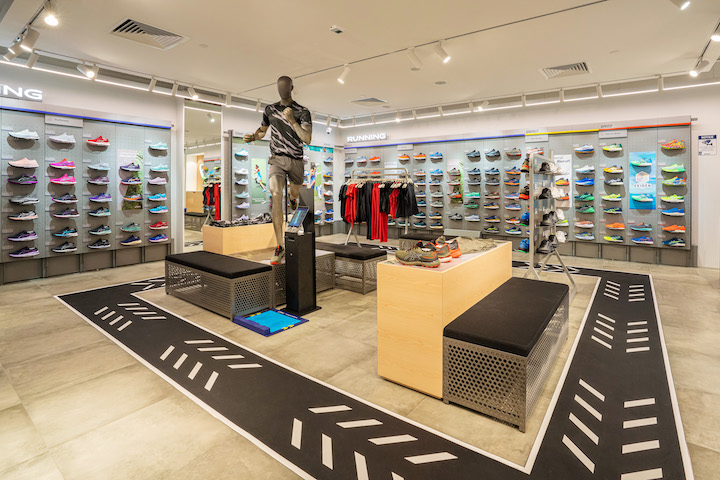
The official sources reviewed do not publish a universal ASICS franchise fee or worldwide store investment range. A usable budget must price the proposed format and market. Separate lease deposits, approved fit-out, opening inventory, staffing, systems, launch activity and working capital. Include import duties and currency exposure where products are bought across borders.
Footwear makes inventory depth particularly important. Buying every model in too many colourways can absorb cash while leaving core sizes unavailable. Build the opening order around local running demand, size profiles and replenishment lead times, then test the cost of unsold seasonal stock.
What a credible operator proposal contains
- Retail evidence: trading history, store-level margins, stock turns and management experience in footwear or sports retail.
- Location evidence: catchment, competitor map, rent and service charges, measured footfall and a proposed floor plan.
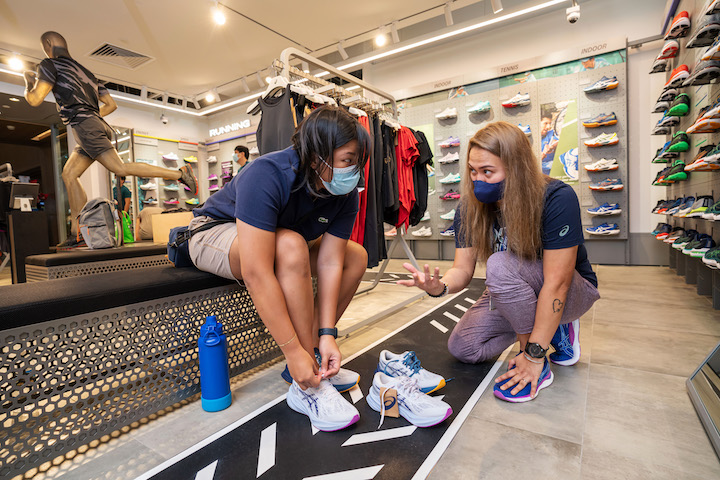
- Operating capability: trained fitting staff, stock control, returns handling and a plan for engaging local running communities.
- Funding: documented available capital, opening cash requirements and a downside forecast with slower sales and heavier markdowns.
The financial test is the contribution after product cost, promotions and returns against occupancy and payroll. Group growth cannot substitute for this store-level calculation.
Questions to settle before signing
Confirm whether online selling and marketplaces are permitted, which products will be allocated, who funds promotional discounts, and what happens to remaining inventory when the agreement ends. For a territory proposal, establish development milestones and the conditions under which exclusivity can be lost.
For a market example, see our ASICS India flagship analysis. Treat its opening as evidence of retail strategy, not an offer of rights.
Prepare an ASICS market-entry proposal
Star Brands Consulting Group provides independent market-entry, operator-readiness and commercial-structure advisory. Bring your target country, retail track record, available capital and proposed sites to a confidential advisory enquiry. We assess the business case and the appropriate engagement route; ASICS or its authorised counterparty determines approval and rights.
Leave a Reply