
GLOBAL RETAIL INTELLIGENCE · GREECE · 21 NOVEMBER 2026
BIRKENSTOCK’s Athens expansion adds dedicated brand stores to an established partner market. The commercial test is whether a compact city-centre location and a planned shopping-centre outlet can build incremental demand without simply moving sales between channels.
One November opening, one December plan
In its 12 November 2026 announcement, BIRKENSTOCK named Ermou Street as the location of its first Greek store, with opening scheduled for that day. The 62-square-metre space was to be followed by a Golden Hall location in early December. As of this review, the cited announcement does not establish that both stores have opened.
The company also describes a longstanding Greek presence through wholesale and retail partners. This is therefore an expansion of the branded-store channel, rather than proof that the products are entering Greece for the first time. The announcement does not identify a new franchisee, disclose store investment or offer territorial rights to applicants.
The channel question matters more than the opening count
Star Brands analysis: dedicated stores give a footwear brand more control over assortment, product explanation and the customer experience. Their investment case nevertheless needs to distinguish new customers from customers who previously purchased through an existing stockist. Counting every branded-store sale as incremental would overstate the expansion’s contribution.
A useful review would compare the catchment of each new location with existing partner doors, track new-to-brand customers where consented data permits, and examine whether nearby wholesale orders weaken after the launch. None of these outcomes is disclosed in the announcement; they are measures investors should request when judging performance.
A small footprint raises the value of inventory discipline
At 62 square metres, the Ermou Street format makes merchandising choices commercially important. Footwear requires a range of sizes as well as styles. A broad display can appear attractive while leaving insufficient depth in the sizes customers actually buy. Conversely, excessive depth in slow-moving variants absorbs cash and limits space for replenishment.
The operating model should identify the core assortment, target stock cover, delivery frequency and treatment of unsold seasonal goods. The key comparison is contribution after occupancy, staffing, fulfilment and markdowns—not gross sales alone. Store productivity should be tested across normal trading weeks as well as opening promotions.
Street and shopping-centre locations need separate assumptions
The two proposed settings offer a practical way to examine different shopping missions. A city-centre location may capture visitors alongside local customers; a shopping-centre store may serve a different pattern of repeat visits. This is an analytical hypothesis, not a claim about either location’s measured footfall or sales.
Investors should build separate forecasts for conversion, average transaction value, seasonal demand, rent and service charges. Applying the same sales density to both locations would conceal the factors that could make one format more attractive than the other. Opening costs and lease commitments also belong in separate cash-flow schedules.
What operators and brand owners should verify
- Rights and accountability: establish which entity operates each store, supplies inventory and controls online selling. A branded storefront does not reveal the legal agreement behind it.
- Channel coordination: define assortment allocation, pricing responsibilities and returns handling across dedicated stores, wholesale accounts and online channels.
- Capital exposure: price the lease, fit-out, opening stock and replenishment funding before evaluating a further rollout. No investment amount or return is disclosed for these stores.
- Expansion gates: require evidence of repeat demand, stock availability and store contribution before assuming a two-location launch supports a larger network.
For an investor, the useful lesson is to assess how new stores fit an existing distribution system. For a brand owner, the decision is whether greater control over the customer experience produces enough additional contribution to justify the property and inventory commitments.
STAR BRANDS CONSULTING GROUP · PRIVATE INVESTOR ADVISORY
Assess a retail expansion before committing capital.
Test channel structure, store economics and operator readiness. Our mandate-led assessment helps qualified investors and operators separate market potential from unverified franchise availability.
Territory intelligence · Operator readiness · Investment structuring
Independent advisory. We do not represent or grant rights for the featured brand unless separately authorised. Territory availability, appointments and commercial outcomes are never guaranteed. Engagement follows mandate qualification and applicable activation terms.
Sources and image credit
BIRKENSTOCK: Athens retail expansion, 12 November 2026. Commercial implications above are Star Brands’ analysis; they are not company forecasts.
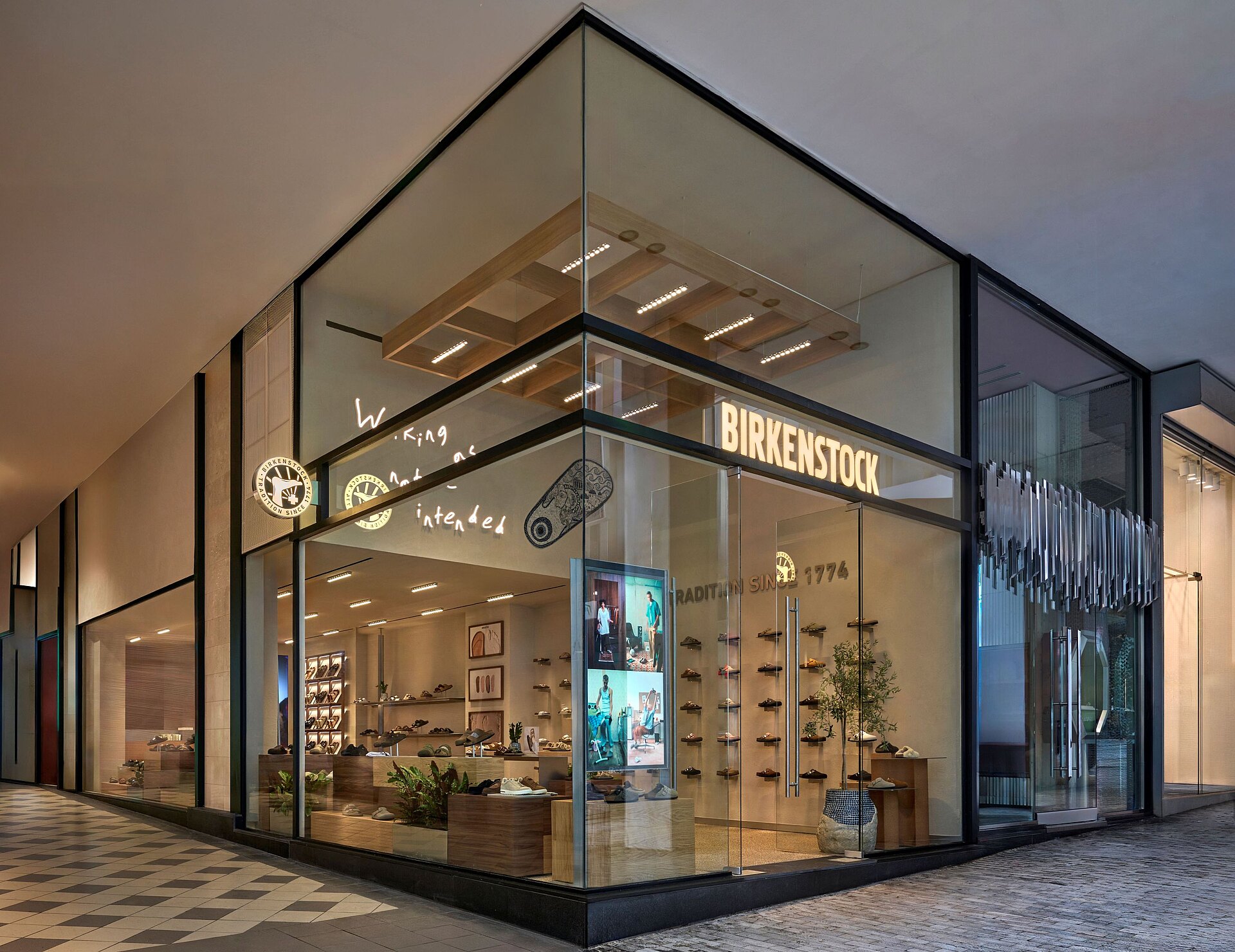
Featured photograph: © BIRKENSTOCK Group, supplied with its Athens expansion announcement. The source does not separately identify which of the two named locations is pictured; no claim is made that it shows the planned Golden Hall opening. Used for editorial reporting with source acknowledgement under the group’s media usage terms.
Leave a Reply