
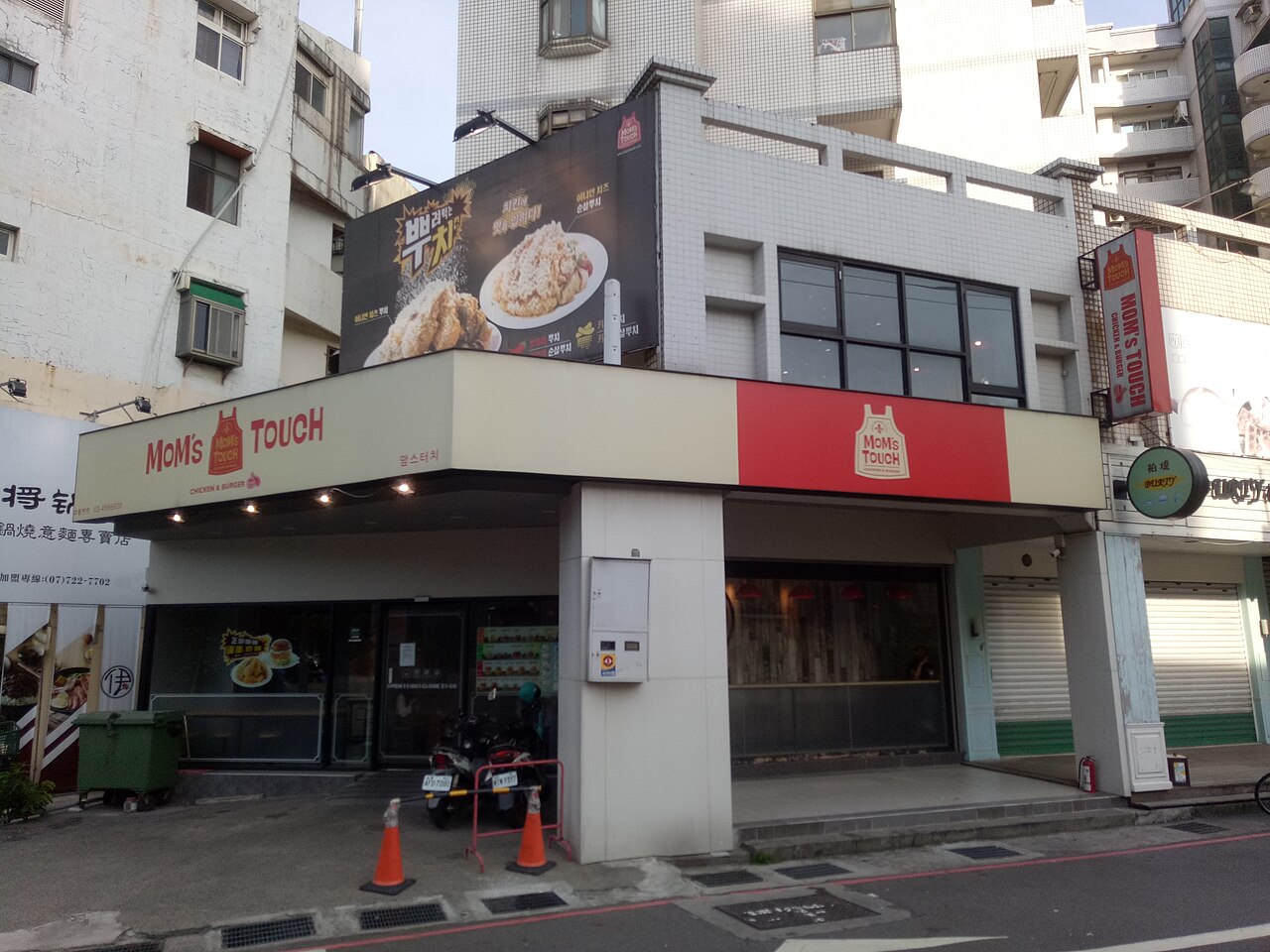

Mom’s Touch’s planned Kazakhstan expansion brings supply-chain capability into the operator-selection discussion. For investors and brand owners, the commercial question is how a partner’s existing infrastructure will support a new restaurant format before a large rollout absorbs capital.
What the agreement establishes
Mom’s Touch announced its Kazakhstan master-franchise agreement on 26 October 2026, according to contemporaneous reporting by Yonhap. The precise signing date was not disclosed in the sources reviewed.
In its own corporate update, the company identifies the partner as MOM’S TOUCH CENTRAL ASIA LLP, Shin-Line Group’s foodservice arm. It targets a first flagship in the first half of 2027 and more than 50 Kazakhstan stores over ten years. The agreement also includes expansion rights into Kyrgyzstan. These are development intentions, not completed openings.
The company describes Shin-Line’s manufacturing, cold-chain and store-operating infrastructure, including experience introducing CU convenience stores in Almaty. It plans a format combining burgers, chicken and pizza. The announcement does not disclose franchise fees, investment per restaurant, development penalties or projected store returns.
Why the partner’s infrastructure matters
The following is Star Brands Consulting Group’s commercial analysis, rather than company guidance.
A restaurant brand entering a new country needs more than a route to suitable premises. Chilled and frozen ingredients must arrive consistently, quality checks must survive each handover, and replenishment must work at the cadence required by individual kitchens. An established food-distribution partner can offer a starting base for these functions.
That advantage should be tested, not assumed. A network designed for packaged retail products may need different delivery schedules, handling procedures and service levels for restaurants. Qualification should examine usable warehouse capacity, temperature records, backup arrangements, supplier approval processes and the cost of serving the first few outlets before network density improves.
The distinction matters for both sides. A brand owner needs evidence that standards can be maintained; an operator needs to know whether adapting existing assets is commercially better than procuring a dedicated service. Ownership of infrastructure alone answers neither question.
A broad menu raises a second execution test
Combining three food categories may widen the occasions a restaurant serves. It can also increase equipment requirements, ingredient variety and staff-training demands. A pilot should therefore measure preparation times, waste, order accuracy and contribution by menu category, alongside customer demand.
Investors should distinguish sales created by a wider menu from sales that merely shift between categories. They should also examine whether incremental orders cover the additional labour, storage and kitchen capacity. Those are diligence questions for the proposed format, not claims about its expected performance.
Sequence capital behind operating evidence
A ten-year store ambition offers direction, but it is not a substitute for a financed development schedule. Before supporting later phases, stakeholders should establish what evidence releases the next tranche of capital: stable supply, trained management, repeat demand and a workable store-level cost base.
Kyrgyzstan rights add strategic scope, but each country still requires its own operating assessment. Territory rights do not themselves demonstrate viable sites, approved suppliers or sufficient management capacity. A staged approach can keep regional ambition aligned with what the first market has actually proved.
For brand owners assessing international partners, this agreement illustrates a useful selection principle: examine how a partner’s existing capabilities translate into the proposed business, rather than treating portfolio size as proof of readiness.
Star Brands Consulting Group supports market-entry planning and operator qualification. Contact the team to discuss an independent assessment of your expansion requirements.
Leave a Reply