
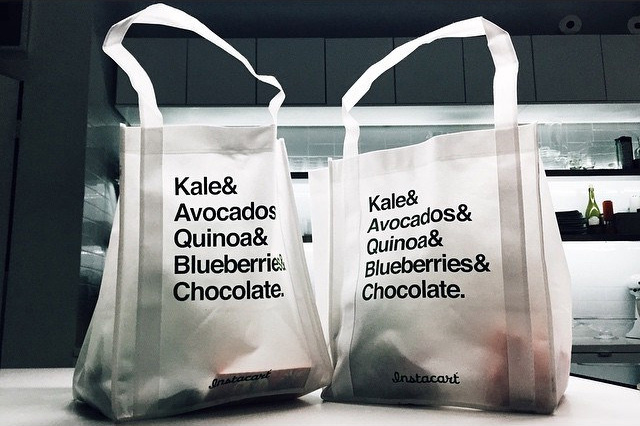

DoorDash’s proposed purchase of Instacart puts grocery delivery, retailer technology and advertising under one strategic plan. For retailers and brand owners, the commercial question is how to gain reach while retaining control of margins and customer relationships.
What was announced—and what remains conditional
On 29 October 2026, the companies announced a definitive agreement valuing Instacart at approximately US$17 billion in equity, or US$65 per share. At least 75% of the aggregate consideration would be cash. Completion is expected in late 2027 or the first half of 2028, subject to shareholder and regulatory approvals and other conditions. They remain separate businesses until closing.
The joint announcement envisages combining DoorDash’s delivery network with Instacart’s grocery technology, including services for retailers’ own websites and advertising operations. DoorDash expects to retain Instacart’s brand and app and has committed to allowing grocers to use other delivery platforms after closing. These are announced plans and commitments, not evidence of completed integration or improved retailer returns.
Commercial analysis: distinguish access from dependence
For a retailer, marketplace demand, delivery fulfilment and the technology behind its own online store are separate buying decisions. A combined supplier could make coordination easier, but operators should still compare the cost and performance of each service individually. A bundled offer can conceal an expensive component as easily as it can create a saving.
The no-exclusivity commitment matters, but contractual freedom alone does not make switching practical. Retailers should assess catalogue portability, order-history access, integration work, staff training and the time needed to move fulfilment. These are due-diligence questions arising from the proposed combination; they are not claims that either company currently imposes restrictive terms.
Measure the order, not just the audience
An expansion case should track contribution after picking labour, delivery charges, refunds, promotions and advertising. It should also distinguish additional purchases from orders transferred out of a retailer’s existing channels. Higher digital sales can coexist with lower contribution if the operator pays to reacquire customers who would otherwise have bought directly.
A useful pilot would compare similar stores or territories, establish a baseline before launch and review repeat purchasing after introductory incentives end. Brand owners should ask whether advertising generates incremental category demand, shifts customers between their own products or mainly buys visibility they previously received without paid placement. None of those outcomes can be settled by the acquisition headline.
Customer data needs its own review
Instacart’s existing Storefront checkout documentation says customer permission is required to share customer details and describes an opt-in section for retailers seeking that data. That illustrates why a retailer-branded storefront should not be assumed to confer unrestricted customer-data access.
Operators should map the information they actually receive, the consent attached to it and how it supports loyalty, service recovery and measurement. Investors should request that same map before treating a digital channel as a durable customer asset.
Implications beyond US grocery
The wider lesson for international market entry is to evaluate a commercial partner across demand generation, operating capability and control of the customer relationship. Local delivery density, integration costs and retailer readiness still need country-level evidence. This announcement does not establish a new service launch or available partnership rights in another market.
The long interval before expected completion also argues for scenario planning. Operators can assess potential integration benefits while keeping current procurement decisions grounded in available services and signed terms. Savings or new capabilities should enter a base-case investment model only when their scope, timing and economics are demonstrable.
Star Brands Consulting Group’s Market Entry Advisory helps businesses assess entry routes, partner requirements and execution readiness before committing resources.
Sources
- DoorDash: acquisition announcement, 29 October 2026, also published by Instacart.
- Instacart: Storefront checkout documentation, checked 30 October 2026.
Leave a Reply