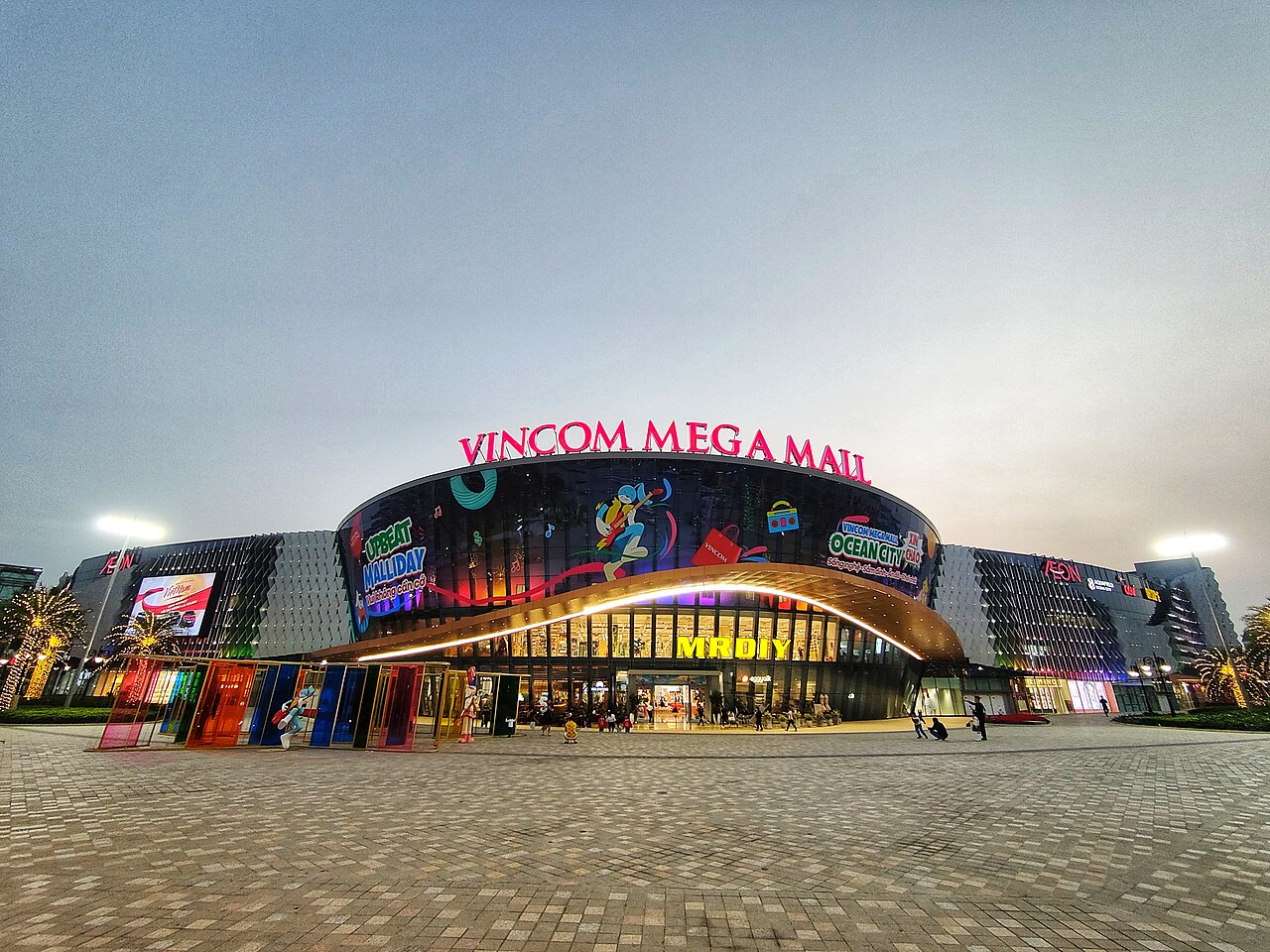

Vincom Retail’s cooperation with South Korea’s QooQoo creates a route to explore Vietnamese restaurant locations. The commercial test is whether property access can become a locally viable operating model.
What was signed—and what remains open
Vincom Retail and QooQoo Franchise Group signed a strategic memorandum of understanding in Hanoi on 20 October 2026, according to the Vietnam Chamber of Commerce and Industry’s report. Vincom’s announcement distributed through Media OutReach Newswire was dated 22 October 2026.
The company-issued release says the parties will explore bringing QooQoo’s restaurant chains to Vincom-managed malls and commercial districts, focusing on Hanoi and Ho Chi Minh City during 2026–2027. The portfolio includes QooQoo sushi buffets, Blue Rail conveyor-belt sushi and Always Shabu hot pot. It also describes reciprocal promotion: Vincom supporting QooQoo in Vietnam, and QooQoo introducing Vincom’s network to Korean audiences and businesses.
The release does not disclose a committed restaurant count, named opening sites, launch dates, investment budget, franchise fees or territorial exclusivity. An MoU is therefore evidence of a cooperation framework here; the published information does not establish that a funded rollout or particular franchise rights are available.
Mall access helps discovery; site engineering determines feasibility
Star Brands analysis: A property partner can make it easier to compare locations and coordinate discussions. That is commercially useful when a restaurant format requires more than a conventional retail unit. It does not remove the need to qualify each premises.
For a buffet, the useful screening questions include kitchen extraction, drainage, power, cold storage, waste handling and replenishment routes. A large dining room can still be a poor candidate if its back-of-house layout constrains service. Operators should establish which works belong to the landlord and which belong to the restaurant before agreeing a rent commencement date.
The three concepts also should not be treated as interchangeable tenants. A conveyor-belt layout, a buffet service line and a hot-pot operation may require different equipment, seating arrangements and maintenance skills. A single portfolio-level agreement cannot substitute for a technical brief and trading model for each format.
Translate the menu before translating the growth plan
The next diligence task is to test the proposition with local customers. Operators should examine achievable spend per guest, weekday demand, meal duration and repeat visits alongside food cost and labour scheduling. Opening-week queues would be a weak basis for committing to several long leases.
Buffet economics deserve particular attention to replenishment and waste. The operating model should connect purchasing and preparation to demand by service period, rather than assuming every seat contributes the same margin. Imported ingredients also need a contingency plan: approved substitutions, lead times, storage capacity and clear responsibility for quality checks.
These are diligence considerations, not disclosed features or performance claims about QooQoo’s planned Vietnam operations. Their purpose is to identify what an investor would need to see before relying on a rollout forecast.
Separate the property relationship from the operating mandate
Brand owners should establish who will hold the operating rights, recruit and train staff, manage procurement and fund working capital. A landlord’s participation does not, by itself, answer those questions. Investors should also distinguish brand-level discussions from executed leases and from contracts that authorise an operator to use the brand.
A practical sequence would be to qualify candidate sites, complete technical and commercial checks, agree the operating structure, and then commit to opening milestones. Expansion beyond an initial location should depend on repeatable service standards and operating evidence. That sequence is our recommendation, not a timetable announced by either party.
For Vincom, the analytical opportunity is a broader dining offer that could support visits across different occasions. For QooQoo, it is a coordinated way to assess premises and build awareness. The value of both depends on execution after the MoU: signed sites, capable operators, dependable supply and customer demand.
Implications for brands and operators
This agreement illustrates a wider market-entry choice: secure a property platform early, then test the restaurant economics before scaling. Brand owners should preserve approval rights over sites and operating standards; operators should make capital commitments against specific deliverables; investors should ask what evidence unlocks the next stage of deployment.
For support assessing a market-entry route, operator readiness or site strategy, contact Star Brands Consulting Group.
Leave a Reply