
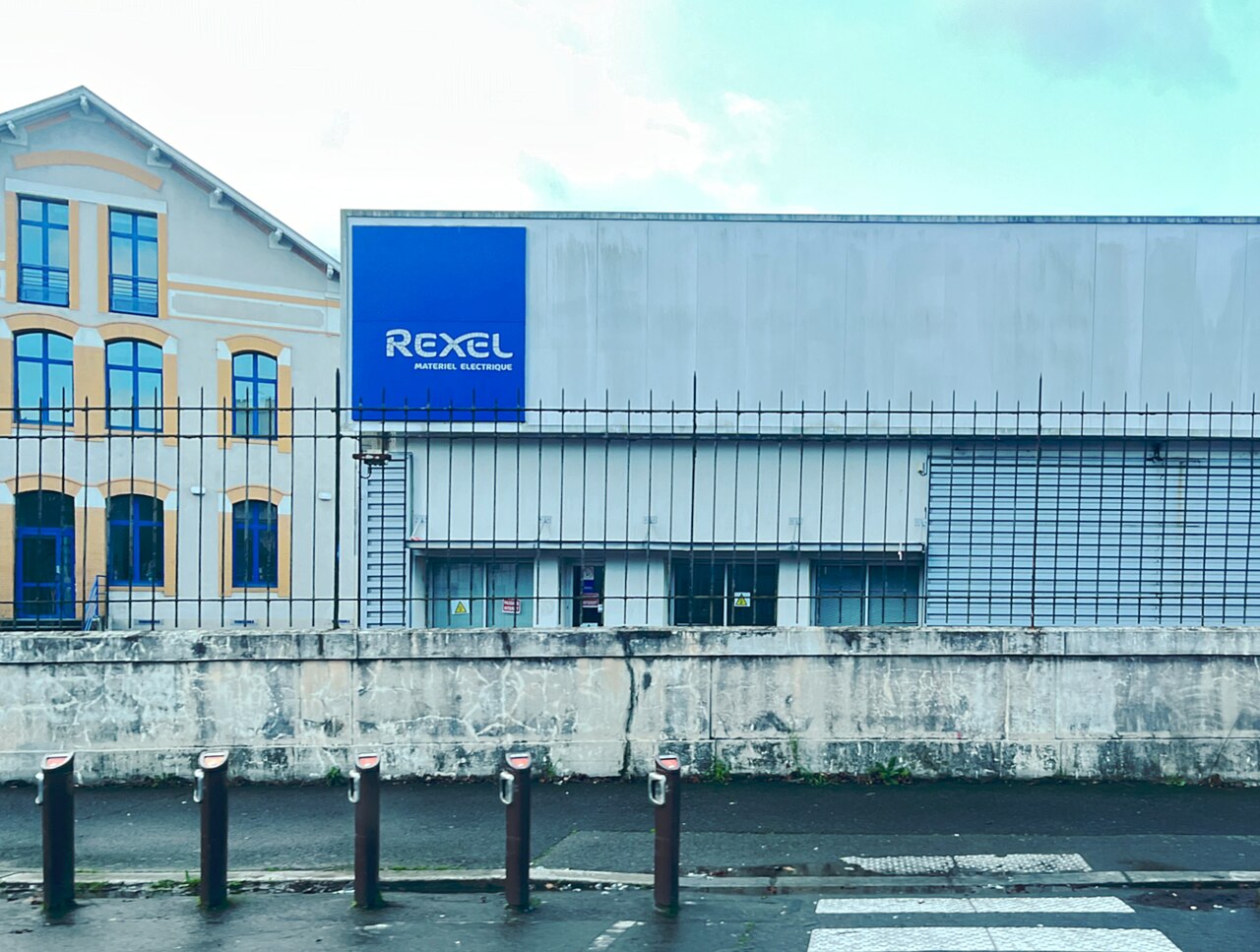

Rexel’s latest sales update and pending GCG acquisition put a practical question before manufacturers and investors: which distributors can influence project specifications and deliver technical services as well as fulfil orders?
Growth is following different end markets
In its 22 October 2026 third-quarter disclosure, Rexel reported €5.453 billion in sales, up 14.6% as reported and 11.4% on a constant, same-working-day basis. The latter measure removes differences in scope, exchange rates and trading days; it should not be described as reported growth.
On that comparable basis, North America grew 17.4%, Europe 4.5% and Asia-Pacific 15.8%. Data centres represented roughly 13% of US sales. In Europe, HVAC, solar and EV-charging demand grew approximately 13%. These are company-specific results, not market-wide growth estimates.
For a brand choosing a distribution partner, the commercial inference is that a national footprint alone says too little. Customer mix, technical staff and access to projects may explain more than the number of branches. A partner strong in one end market cannot automatically reproduce that performance in another.
GCG would add capabilities beyond stockholding
The separate 25 September acquisition announcement values GCG at approximately US$1.4 billion in enterprise value. Rexel described a US specialist in wire, cable, connectivity, power and engineered solutions, operating 16 locations. Its services include engineering, custom assembly, kitting and testing; the company said more than 75% of GCG revenue incorporates value-added products or services.
The 22 October update still expected completion by year-end. The September agreement is subject to regulatory approvals and other closing conditions. GCG therefore remains a pending acquisition, not a completed expansion of Rexel’s network.
Our interpretation: these capabilities could help a distributor enter customer decisions earlier, when components and systems are being specified. That creates a different partner-selection test from comparing warehouse coverage or headline discounts. It also creates execution demands: technical competence must survive integration, and service promises must be priced and delivered consistently.
Three checks for commercial partners
- Manufacturers: establish who owns technical approval, substitutions, product data and customer relationships. Agree which services the distributor will provide and how their performance will be measured before committing territory or inventory.
- Operators: assess quotation accuracy, assembly quality and delivery reliability alongside sales growth. Require evidence from comparable projects, with clear responsibility when a specification changes or a delivery misses its slot.
- Investors: separate organic trading performance from acquisition contributions and expected synergies. Test the working capital needed to support projects and the retention of specialist employees and customers; a larger order book alone does not establish cash generation.
The useful lesson is a diligence framework, not an invitation to obtain Rexel dealership rights. Neither disclosure announces a new franchise or authorised-dealer programme.
Star Brands Consulting Group supports market-entry and commercial-partner assessment. Contact the team to discuss the capabilities and operating commitments your expansion requires.
Leave a Reply