
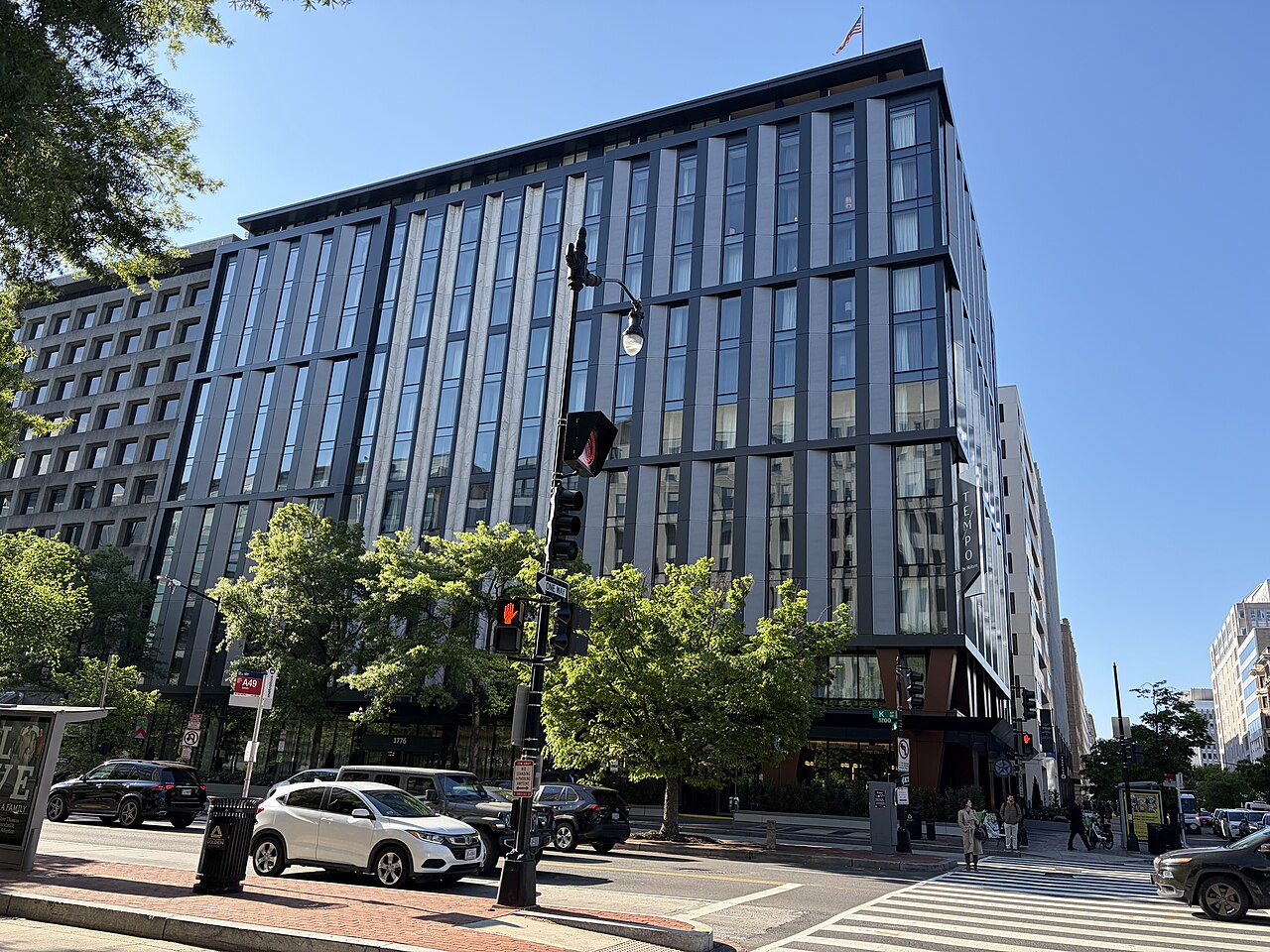

A hotel beside a major concert venue offers a clear customer proposition. The investment case still depends on how the property performs between events—and how the contractual responsibilities fit together.
A planned German brand entry
Hilton announced on 2 October 2026 that Tempo by Hilton Munich Airport Arena is planned to open in 2029, alongside MUNICH ARENA. The 199-room property is intended to introduce the Tempo brand to Germany. It is a development announcement, not an opening.
The disclosed structure is significant: Hilton has signed a management agreement with Allresto Munich Airport Hotel and Restaurants GmbH, a Munich Airport subsidiary. Allresto has leased the hotel from SWMUNICH Accomodation GmbH, part of MUNICH ARENA group.
Planned hotel facilities include a gym, ground-floor café and rooftop bar. The arena developer describes a concert venue designed for approximately 20,000 visitors.
Three roles that should not be confused
Star Brands analysis: This structure illustrates why an international hotel agreement cannot automatically be described as a franchise. Property ownership, a lease and branded management can involve different parties with different obligations. The commercial review needs to follow those relationships individually.
A prospective investor should map who funds development, who carries the lease obligations, who operates the hotel and who controls brand standards. Those roles determine the questions that belong in the financial model and contract review. The public announcement does not disclose rent, management fees, guarantees or the detailed allocation of risk.
Event demand needs a calendar, not just a capacity figure
Star Brands analysis: A large venue creates potential business from audiences, performers, production crews and event organisers. Venue capacity alone does not establish hotel demand. Many concertgoers may live locally; touring teams may have their own accommodation arrangements.
Underwriting should translate a realistic event calendar into overnight stays, account for competing accommodation and test quieter weeks separately. A strong concert night cannot compensate indefinitely for weak demand across the remainder of the month. Airport proximity may broaden the customer base, but access, journey times and the guest proposition must work in practice.
Questions for developers and operators
- Opening dependencies: What happens if the hotel is ready before the arena, or the arena opens before the hotel?
- Non-event trading: Which customer segments support occupancy outside the concert calendar?
- Operating coordination: How will late arrivals, group movements, staffing peaks and food-and-beverage demand be managed?
- Contract alignment: Do the lease and management arrangements support compatible investment periods and refurbishment obligations?
The wider market-entry lesson
For a brand entering a country, a distinctive destination can make the first property easier to explain to customers. For the capital provider, that positioning still needs to become a durable operating model. Brand selection, the operator’s capabilities and the underlying property agreements should be assessed together.
This announcement is not an invitation to acquire Tempo territory rights, and Star Brands makes no claim to represent the parties to the agreement.
For support assessing international hospitality expansion structures, visit Star Brands Consulting Group’s Private Advisory.
Sources
- Hilton: Tempo by Hilton’s planned German debut at MUNICH ARENA, published 2 October 2026.
- MUNICH ARENA: official project information.
Sources reviewed 6 October 2026. Commercial implications are Star Brands analysis; projected openings remain subject to project delivery.
Leave a Reply